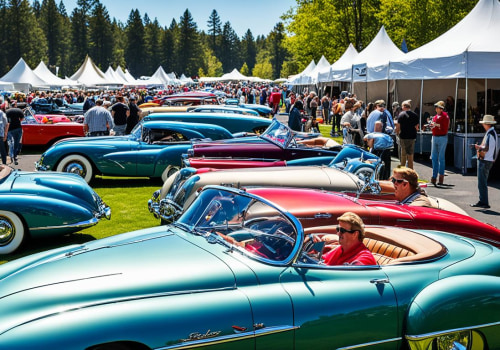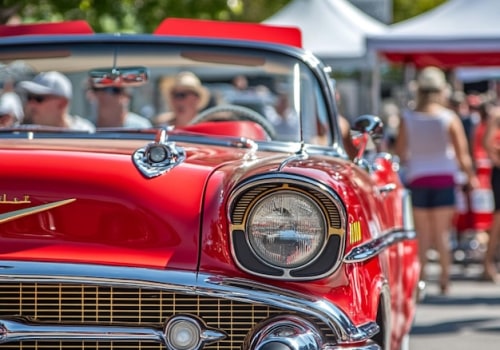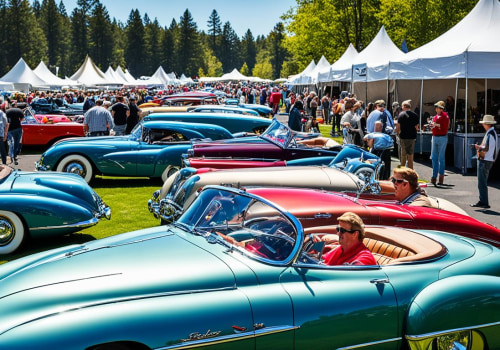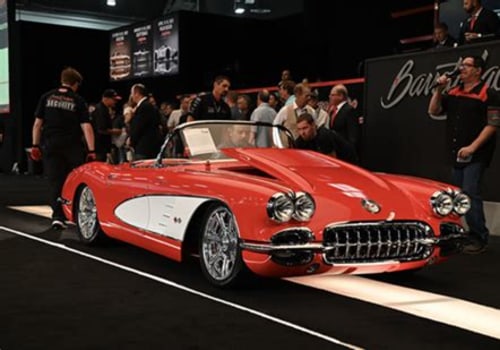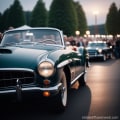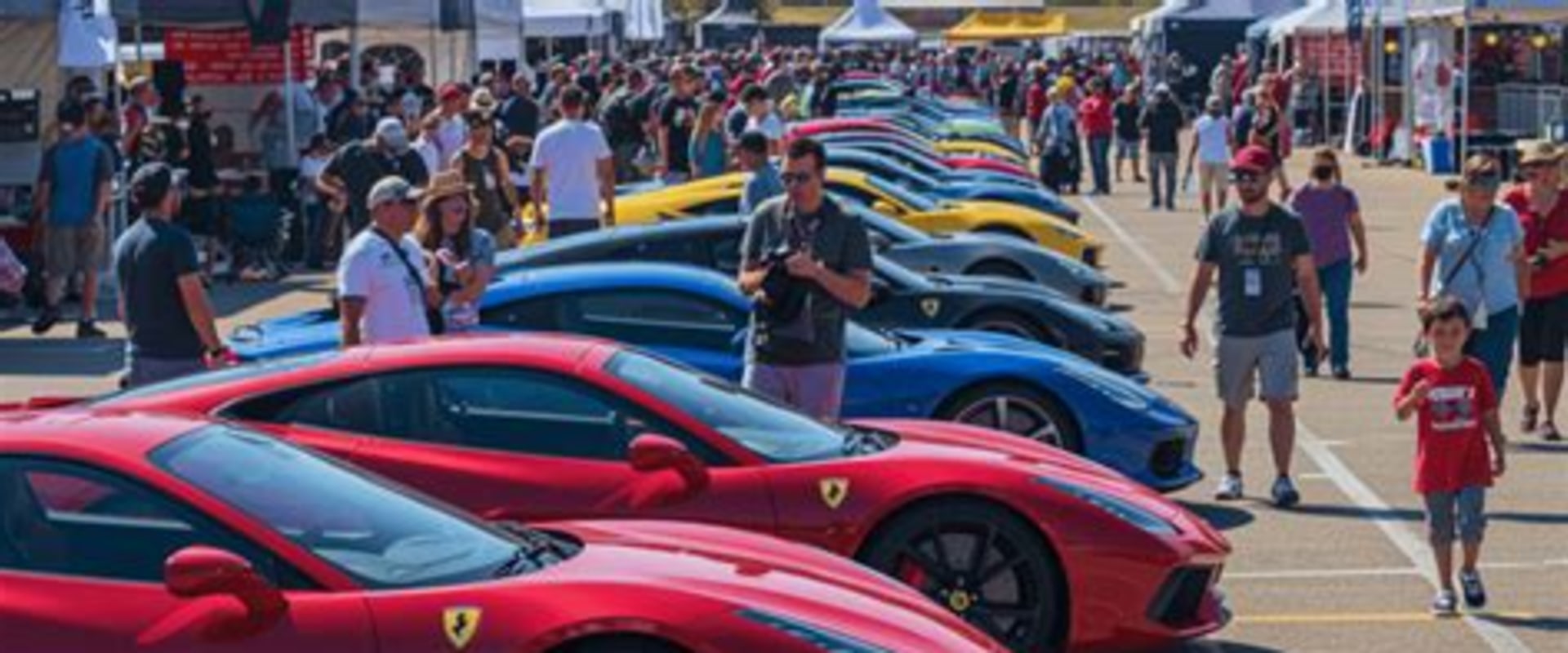
Classic car shows serve as vibrant celebrations of automotive culture, bringing together enthusiasts from all walks of life to appreciate the artistry and engineering of vehicles that have stood the test of time. These events are more than just gatherings; they are a testament to the passion and dedication of car lovers who seek to preserve the rich history of automobiles. Each vehicle on display tells a story, reflecting the era it hails from, the innovations that defined its design, and the cultural shifts that influenced its creation.For many, attending a classic car show is akin to stepping back in time. The gleaming chrome, intricate details, and unique designs evoke nostalgia and admiration, allowing visitors to connect with the past in a tangible way.
Car enthusiasts often share their knowledge and experiences, fostering a sense of community that transcends generations. This exchange not only enriches individual understanding but also strengthens the collective appreciation for automotive history.Moreover, classic car shows play a crucial role in educating the public about the evolution of vehicles and their impact on society. By showcasing a diverse range of models—from vintage muscle cars to elegant classics—these events highlight significant technological advancements and design philosophies that have shaped modern automobiles. As attendees marvel at these historical machines, they gain insight into how far the industry has come and the enduring legacy of automotive craftsmanship.
Historical Context of Classic Cars
The history of classic cars is a fascinating journey that reflects the evolution of automotive design and technology over the decades.From the early 1900s, when automobiles were a luxury for the wealthy, to the mass production techniques introduced by Henry Ford in the 1920s, each era has contributed unique vehicles that tell a story of innovation and cultural change.Classic cars, often defined as vehicles manufactured between 1915 and 1975, serve as tangible representations of their respective times. For instance, the vintage automobiles of the 1920s showcased Art Deco influences, while the muscle cars of the 1960s embodied a spirit of freedom and rebellion. These vehicles not only highlight advancements in engineering but also reflect societal trends, such as post-war optimism and the rise of consumer culture.Moreover, classic car shows play a crucial role in preserving this rich history. They provide enthusiasts with an opportunity to appreciate the craftsmanship and design that went into these vehicles.
At these events, attendees can:
- Engage with history: Each car has its own story, often shared by passionate owners who can recount its journey through time.
- Experience automotive evolution: By viewing a range of models from different decades, visitors can witness firsthand how technology and aesthetics have transformed.
- Network with fellow enthusiasts: Classic car shows foster a community where knowledge about restoration techniques and historical significance is shared.
How Classic Car Shows Preserve Automotive History
Classic car shows serve as vital platforms for the preservation of classic cars and the rich tapestry of automotive history. These events not only showcase stunning vehicles but also emphasize the importance of maintaining authenticity and integrity in restoration practices.One of the primary methods used at classic car shows to preserve automotive history is through meticulous restoration techniques. Enthusiasts and professionals alike dedicate countless hours to restoring vehicles to their original condition, ensuring that every detail—from the paint color to the engine specifications—reflects the car's historical accuracy.This commitment to authenticity is crucial, as it honors the legacy of the manufacturers and the era in which these cars were produced.
Restoration Practices
- Original Parts: Many restorers prioritize using original or period-correct parts, which helps maintain the vehicle's historical value.
- Documentation: Detailed records of restoration processes are often kept, providing future owners with insights into the car's history and authenticity.
- Expertise: Knowledgeable restorers often share their skills at shows, offering workshops and demonstrations that educate attendees on proper restoration techniques.
By educating attendees about these elements, classic car shows play a crucial role in keeping automotive history alive for future generations.Ultimately, classic car shows are more than just exhibitions; they are celebrations of a bygone era that continue to inspire passion and dedication among enthusiasts. Through careful preservation efforts and a commitment to authenticity, these events ensure that the stories behind each vehicle are not forgotten but rather cherished and passed down through time.
Community Engagement and Education at Classic Car Shows
Classic car shows serve as vibrant hubs for community engagement and education, bringing together enthusiasts and the general public to celebrate automotive history. These events often feature a variety of activities designed to foster interaction and learning.- Workshops and Seminars: Many classic car shows host workshops led by experts in automotive restoration, maintenance, and history. These sessions provide attendees with hands-on experience and valuable insights into the intricacies of classic car care.
- Interactive Displays: Engaging displays allow visitors to explore the evolution of automotive design and technology.
From vintage engines to iconic models, these exhibits often include detailed explanations that highlight the significance of each vehicle in automotive history.
- Community Involvement: Local car clubs and organizations frequently participate in classic car shows, showcasing their vehicles and sharing their passion with attendees. This involvement not only strengthens community ties but also encourages newcomers to join the ranks of classic car enthusiasts.
The Role of Classic Car Clubs in Supporting Shows
Classic car clubs play a pivotal role in the organization and support of classic car shows, acting as the backbone of these events.These clubs are often composed of passionate enthusiasts who share a common love for vintage automobiles, and their collective efforts help to ensure that these shows are not only successful but also memorable.
Community Building
- Classic car clubs foster a sense of community among members, creating a network of individuals who can share knowledge, resources, and experiences related to classic cars.
- Through regular meetings, social events, and collaborative projects, these clubs strengthen bonds among enthusiasts, making the experience of attending car shows more enjoyable.
Support for Car Shows
- Many clubs actively promote upcoming events through newsletters, social media, and word-of-mouth, helping to draw larger crowds and increase participation.
- They may also provide volunteers who assist with various aspects of the show, from setting up displays to managing parking and ensuring that everything runs smoothly on the day of the event.
This not only enriches the experience for attendees but also helps preserve automotive history by passing down knowledge to future generations.Ultimately, classic car clubs are essential in preserving automotive heritage through their unwavering support for car shows. By bringing together enthusiasts and facilitating these gatherings, they ensure that the passion for classic cars continues to thrive within communities across the country.
Economic Impact of Classic Car Shows
Classic car shows are not just a celebration of automotive history; they also serve as significant economic engines for local communities. These events attract thousands of enthusiasts and spectators, generating substantial tourism revenue that benefits various sectors.When classic car shows take place, they often draw visitors from outside the local area, leading to increased spending on accommodations, dining, and entertainment. Hotels and motels see a surge in bookings, while local restaurants and cafes experience higher foot traffic.This influx of visitors can lead to a boost in sales for local businesses, creating a ripple effect throughout the community.Moreover, classic car shows often feature vendors selling automotive parts, memorabilia, and food. This not only provides a platform for small businesses to showcase their products but also creates opportunities for job creation. Event organizers may hire temporary staff to manage logistics, security, and customer service, further contributing to the local economy.In addition to direct economic benefits, classic car shows can enhance the community's profile, making it an attractive destination for future events. Cities that host successful car shows often find themselves on the radar for other automotive-related activities, such as races or exhibitions, which can lead to sustained economic growth.In summary, the economic impact of classic car shows extends beyond the event itself.
By attracting tourists and supporting local businesses, these shows play a crucial role in fostering community development and enhancing the overall economic landscape.
Challenges Facing Classic Car Shows Today
Classic car shows have long been a cherished tradition among automotive enthusiasts, but they are not without their challenges in the modern era. As the landscape of car culture evolves, several key issues have emerged that threaten the sustainability and relevance of these events.Changing Demographics
One of the most significant challenges facing classic car shows is the changing demographics of car enthusiasts. The younger generation often prioritizes technology and sustainability over traditional car ownership. This shift has led to a decline in participation from younger audiences, who may view classic cars as less relevant compared to modern electric vehicles and smart technology.Sustainability Concerns
As environmental awareness grows, classic car shows are increasingly scrutinized for their sustainability practices.Many classic cars are not fuel-efficient and can contribute to pollution, raising concerns among attendees and organizers alike. To address these issues, some shows are implementing eco-friendly practices, such as:
- Encouraging the use of alternative fuels
- Promoting electric vehicle categories
- Implementing recycling programs at events
Modern Issues in Classic Cars
The classic car market is also facing challenges related to modern issues, such as rising restoration costs and the availability of parts. As fewer manufacturers produce replacement parts for older models, restorers often struggle to find authentic components, which can drive up costs and deter potential owners from investing in classic vehicles.In conclusion, while classic car shows play a vital role in preserving automotive history, they must adapt to these modern challenges. By embracing sustainability and appealing to a broader audience, these events can continue to thrive and celebrate the rich heritage of classic automobiles.Future Trends in Classic Car Shows
As the automotive landscape continues to evolve, classic car shows are also adapting to meet the changing interests and expectations of enthusiasts.One of the most significant trends is the integration of technology into these events, enhancing the overall experience for attendees and participants alike.
Technology Integration
- Virtual Reality (VR): Some classic car shows are beginning to incorporate VR experiences, allowing visitors to immerse themselves in historical automotive environments or take virtual test drives of classic models.
- Mobile Apps: Event organizers are developing mobile applications that provide real-time updates, maps, and schedules, making it easier for attendees to navigate the show and engage with exhibitors.
- Social Media Engagement: Classic car shows are leveraging social media platforms to create buzz before, during, and after events. Live streaming, behind-the-scenes content, and interactive posts help build a community around these gatherings.
Evolving Formats
In addition to technological advancements, the format of classic car shows is also changing. Traditional static displays are being complemented by:
- Interactive Exhibits: Many shows now feature hands-on exhibits where attendees can learn about restoration techniques or even participate in workshops.
- Concours d'Elegance: This prestigious format is gaining popularity, focusing on the beauty and craftsmanship of classic cars rather than just their historical significance.
- Themed Events: Organizers are increasingly hosting themed shows that celebrate specific eras or types of vehicles, attracting niche audiences and fostering deeper connections among enthusiasts.
Frequently Asked Questions About Classic Car Shows
Classic car shows are a treasure trove of information and excitement for automotive enthusiasts.Here are some frequently asked questions that can help you navigate these events and enhance your experience.
What should I expect at a classic car show?
At a classic car show, you can expect to see a wide variety of vintage vehicles, ranging from muscle cars to classic trucks. Many shows also feature:- Live demonstrations of restoration techniques.
- Vendor booths selling automotive memorabilia and parts.
- Food trucks and local cuisine to enjoy while you explore.
- Networking opportunities with fellow car enthusiasts and collectors.
How do I prepare for attending a classic car show?
Preparation can enhance your experience at a classic car show. Here are some tips:- Check the schedule: Look for specific events or demonstrations that interest you.
- Dress appropriately: Wear comfortable shoes and consider the weather, as many shows are held outdoors.
- Bring cash: Some vendors may not accept credit cards, so having cash on hand is advisable.
- Take notes: If you're interested in specific cars or restoration techniques, jot down notes or take photos for future reference.
Are classic car shows family-friendly?
Yes, most classic car shows are designed to be family-friendly. Many events include activities for children, such as:- Kid-friendly games and contests.
- Interactive exhibits where kids can learn about automotive history.
- Pony rides or petting zoos at larger events.