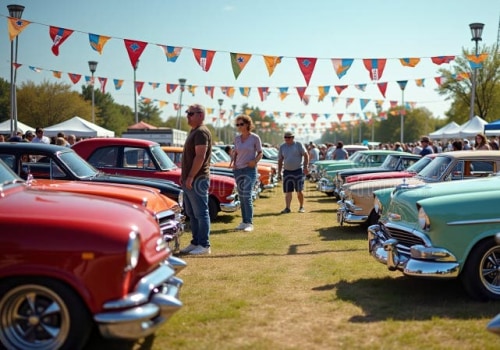
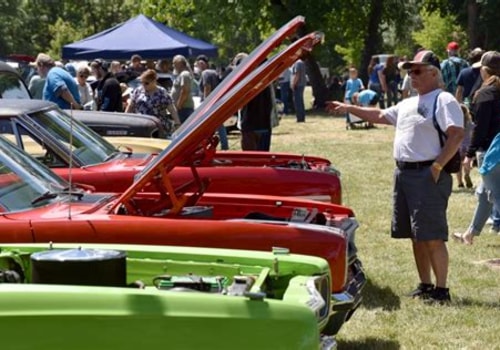
Car shows have long been a beloved pastime for automotive enthusiasts, offering a vibrant platform where car lovers can gather to celebrate their passion for vehicles. These events range from local gatherings in community parks to large-scale exhibitions that attract thousands of visitors. While all car shows share a common goal of showcasing vehicles, they can vary significantly in focus, style, and audience. This is where the distinction between classic car shows and regular car shows becomes particularly interesting. At their core, classic car shows are dedicated to vehicles that have stood the test of time, typically featuring models that are at least 20 years old.
These events not only highlight the beauty and craftsmanship of vintage automobiles but also serve as a nostalgic journey through automotive history. In contrast, regular car shows may include a broader spectrum of vehicles, from modern cars to custom builds, often emphasizing innovation and current trends in the automotive industry. The differences between these two types of shows extend beyond just the age of the cars on display. Classic car shows often foster a sense of community among participants who share a deep appreciation for the heritage and stories behind each vehicle. Attendees can expect to engage in discussions about restoration techniques, original parts sourcing, and the unique challenges of maintaining classic cars.
Regular car shows, on the other hand, may focus more on entertainment and spectacle, featuring live music, food vendors, and interactive exhibits that appeal to a wider audience. As we delve deeper into the world of car shows, understanding these distinctions will enhance your appreciation for both classic and contemporary vehicles. Whether you’re a seasoned collector or a casual observer, each type of show offers its own unique experience that celebrates the diverse landscape of automotive culture.
Defining Classic Car Shows
Classic car shows are specialized events that celebrate vehicles typically over 20 years old, showcasing their historical significance, craftsmanship, and unique designs. Unlike regular car shows that may feature a wide range of vehicles, classic car shows focus specifically on cars that have become icons of automotive history.The history of classic car shows dates back to the mid-20th century when enthusiasts began gathering to display their vintage vehicles. These events have since evolved into a vibrant community where collectors, restorers, and fans come together to appreciate the artistry and engineering of classic automobiles.The primary purpose of classic car shows is to promote appreciation for these timeless vehicles while providing a platform for owners to share their passion.Attendees can expect to see a variety of makes and models, often including:
- Antique Cars: Vehicles manufactured before 1915.
- Vintage Cars: Cars produced from 1919 to 1930.
- Classic Cars: Generally defined as cars manufactured between 1930 and 1980.
- Muscle Cars: High-performance vehicles from the 1960s and 1970s.
- Judging competitions where cars are evaluated based on authenticity and condition.
- Swap meets for parts and memorabilia related to classic cars.
- Workshops and seminars on restoration techniques and maintenance tips.
Understanding Regular Car Shows
Regular car shows are vibrant events that celebrate a wide array of vehicles, showcasing everything from modern cars to vintage models. Unlike classic car shows, which focus specifically on vehicles that are typically 20 years or older, regular car shows encompass a broader spectrum of automotive culture.Definition of Regular Car Shows:
These events are designed to bring together car enthusiasts, collectors, and the general public to appreciate various types of vehicles. They often feature categories such as:- Modern Cars: The latest models from manufacturers, highlighting cutting-edge technology and design.
- Custom Builds: Unique vehicles that have been modified or built from scratch, showcasing the creativity and craftsmanship of their owners.
- Motorcycles: Many regular car shows also include motorcycle exhibitions, offering a complete view of the automotive landscape.
- Special Themes: Some shows may focus on specific themes, such as electric vehicles, muscle cars, or even specific brands.
This competitive aspect adds excitement and encourages owners to present their vehicles in the best possible light.In addition to the vehicles on display, regular car shows frequently include activities such as live music, food vendors, and merchandise stalls. This creates a festive atmosphere that appeals to families and casual attendees alike. The social aspect of these events allows enthusiasts to connect with one another, share stories about their vehicles, and foster a sense of community within the automotive world.Overall, regular car shows serve as a platform for celebrating all things automotive, making them accessible and enjoyable for everyone—from die-hard car lovers to those simply looking for a fun day out.
Key Differences Between Classic and Regular Car Shows
When comparing classic car shows to regular car shows, several key differences emerge that cater to distinct audiences and showcase unique aspects of automotive culture.- Vehicle Age: One of the most significant differences lies in the age of the vehicles displayed.
Classic car shows
typically feature cars that are at least 20 years old, often focusing on models that have become iconic over time.In contrast, regular car shows may include a broader range of vehicles, from brand-new models to older cars that do not meet the classic criteria.
- Audience Demographics: The audience at classic car shows often consists of enthusiasts who appreciate the history and craftsmanship of older vehicles. These attendees may include collectors, restorers, and those with a nostalgic connection to the cars on display. Regular car shows, however, attract a more diverse crowd, including families and casual car lovers who may be interested in the latest trends and innovations in the automotive industry.
- Event Atmosphere: The atmosphere at classic car shows tends to be more relaxed and focused on appreciation and education. Attendees often engage in discussions about restoration techniques, historical significance, and personal stories related to the vehicles.
In contrast, regular car shows may have a more commercial vibe, featuring vendor booths, promotional activities, and competitions that emphasize speed and performance.
The Culture Surrounding Classic Car Shows
The culture surrounding classic car shows is a vibrant tapestry woven from the threads of passion, nostalgia, and community. Unlike regular car shows, which may focus on modern vehicles or specific brands, classic car shows celebrate the history and craftsmanship of automobiles that have stood the test of time. This unique focus fosters a deep sense of camaraderie among attendees, many of whom share a profound appreciation for the artistry and engineering of vintage cars.At these events, you will often find a diverse group of individuals, from seasoned collectors to curious newcomers.The atmosphere is typically friendly and welcoming, encouraging conversations about restoration techniques, engine specifications, and personal stories tied to specific models. This exchange of knowledge not only enhances the experience but also strengthens the bonds within the community.
Passion for Preservation
One of the defining characteristics of classic car show culture is the commitment to preservation. Enthusiasts often invest significant time and resources into restoring their vehicles to their original glory. This dedication is evident in the meticulous details showcased at these events, where every car tells a story of its past.Many participants take pride in sharing their restoration journeys, offering insights into the challenges they faced and the triumphs they celebrated.
A Sense of Belonging
The community aspect of classic car shows cannot be overstated. For many, these gatherings serve as a social hub where friendships are forged over shared interests. Clubs and organizations often form around specific makes or models, providing members with opportunities to connect beyond the show circuit. Events like cruises, meet-ups, and charity drives further solidify these relationships, creating a network of support among enthusiasts.In conclusion, the culture surrounding classic car shows is rich with history and community spirit.It goes beyond mere admiration for vintage vehicles; it encompasses a lifestyle that values preservation, knowledge sharing, and friendship. Whether you are a lifelong collector or a first-time visitor, immersing yourself in this culture can be an enriching experience that deepens your appreciation for automotive history.
Types of Vehicles Featured in Classic Car Shows
Classic car shows are a celebration of automotive history, showcasing a diverse array of vehicles that have left a significant mark on the industry. The types of vehicles featured in these shows often span several decades, highlighting the evolution of design, technology, and culture.- Vintage Cars: These are typically vehicles manufactured before World War II, often characterized by their elegant designs and craftsmanship. Brands like Ford, Chevrolet, and Packard are commonly represented, with models that reflect the artistry of early automotive engineering.
- Muscle Cars: Popularized in the 1960s and 1970s, muscle cars are known for their powerful engines and aggressive styling.
Iconic models such as the Dodge Charger, Plymouth Barracuda, and Chevrolet Camaro often draw crowds due to their performance heritage.
- Classic Trucks: These vehicles showcase the ruggedness and utility of older pickup trucks. Models like the Ford F-100 and Chevrolet C/K series highlight the evolution of work vehicles and their role in American culture.
- Luxury Classics: Vehicles from brands like Rolls-Royce, Bentley, and Cadillac represent the pinnacle of luxury and style from their respective eras. These cars often feature intricate details and high-end materials that appeal to collectors and enthusiasts alike.
- Sports Cars: Classic sports cars, such as the Porsche 911, Mazda RX-7, and Austin Healey, are celebrated for their performance capabilities and sleek designs. They embody the spirit of competition and innovation in automotive history.
Each car represents a unique blend of engineering, art, and cultural influence, making classic car shows a rich tapestry of automotive heritage.In addition to showcasing these types of classic cars, many shows also feature special categories for rare models or those with unique modifications, further enhancing the diversity of vehicles on display. This variety not only attracts car enthusiasts but also educates attendees about the rich history behind each model.
Events and Activities at Classic Car Shows
Classic car shows are not just about showcasing vintage vehicles; they are vibrant events filled with a variety of activities and events that cater to enthusiasts and families alike. These gatherings often feature a mix of competitions, social interactions, and educational opportunities that set them apart from regular car shows.Competitions and Awards
One of the highlights of classic car shows is the competitive aspect. Participants often enter their vehicles into various categories, such as:- Best in Show: This prestigious award is given to the most outstanding vehicle, judged on criteria like restoration quality, originality, and presentation.
- People's Choice: Attendees vote for their favorite car, making this award a reflection of public opinion.
- Class Awards: Cars are often categorized by make, model, or era, with awards given for the best in each class.
Social Gatherings and Networking
Classic car shows serve as a hub for enthusiasts to connect.Many events include:
- Meet-and-Greets: These informal gatherings allow car owners and fans to share stories, tips, and experiences.
- Workshops and Seminars: Educational sessions on topics like restoration techniques or the history of specific models are often part of the agenda.
- Swap Meets: A chance for attendees to buy, sell, or trade parts and memorabilia related to classic cars.
Family-Friendly Activities
Many classic car shows also incorporate family-friendly activities to ensure that attendees of all ages have a great time. These can include:- Kid Zones: Areas with games and activities designed specifically for children.
- Live Music and Entertainment: Local bands or performers often provide entertainment throughout the day.
- Food Trucks and Vendors: A variety of food options cater to different tastes, making it easy for families to enjoy a meal while exploring the show.
The Role of Restoration in Classic Car Shows
Restoration plays a pivotal role in the world of classic car shows, serving as both an art form and a critical factor in the evaluation of vehicles.Unlike regular car shows, where modifications and modern enhancements may be celebrated, classic car shows emphasize authenticity and historical accuracy. This focus on restoration not only preserves the vehicle's original charm but also enhances its value and appeal to judges and enthusiasts alike.
Importance of Restoration in Classic Car Shows
- Authenticity: Judges often look for vehicles that have been restored to their original specifications. This includes using period-correct parts and finishes, which helps maintain the car's historical integrity.
- Craftsmanship: The quality of restoration work is a significant factor in judging. A well-executed restoration showcases the owner's dedication and skill, often leading to higher scores in competitions.
- Storytelling: Each restored classic car has a story to tell.
The restoration process can reveal the history of the vehicle, making it more appealing to both judges and spectators who appreciate the narrative behind the car.
- Market Value: A meticulously restored classic car can command a premium price in the market. Owners often invest considerable time and resources into restoration, knowing that it can significantly enhance their vehicle's resale value.
Frequently Asked Questions About Classic Car Shows
Attending a classic car show can be an exciting experience, but many people have questions about what to expect.Here are some frequently asked questions that can help clarify your understanding of these unique events.
What defines a classic car?
A classic car is typically defined as a vehicle that is at least 20 years old and has historical significance or unique features. However, the exact definition can vary by organization and region. Some enthusiasts consider cars from the 1980s and 1990s as classics, while others focus on vehicles from the 1950s and 1960s.Are classic car shows only for vintage cars?
No, while classic car shows primarily feature vintage vehicles, they may also include muscle cars, hot rods, and even some modern classics. The key is that these vehicles have a strong following and represent a significant era in automotive history.What should I bring to a classic car show?
- Comfortable clothing: Dress for the weather and wear comfortable shoes, as you may be walking around for hours.
- Camera: Capture memories of the stunning vehicles on display.
- Water and snacks: Stay hydrated and energized throughout the day.
- Cash: Some vendors may not accept cards, so it's wise to have cash on hand for food or merchandise.
Can I participate in a classic car show with my own vehicle?
Yes! Many classic car shows welcome participants who want to showcase their own vehicles.However, it's essential to check the specific requirements of each event, as some may have restrictions based on the age or type of vehicle.
Are there awards at classic car shows?
Most classic car shows feature awards for various categories such as Best in Show, People’s Choice, and Best Restoration. These awards not only recognize the hard work of car owners but also add an element of competition to the event.If you're considering attending or participating in a classic car show, understanding these common questions can enhance your experience and help you make the most of your time at the event.Conclusion: The Unique Appeal of Classic Car Shows
In conclusion, classic car shows offer a distinctive experience that sets them apart from regular car shows. Throughout this article, we have explored various aspects that contribute to the unique appeal of these events. One of the most significant differences lies in the focus on history and nostalgia. Classic car shows celebrate vehicles that have stood the test of time, often showcasing models that evoke memories of a bygone era.This historical context adds depth to the experience, allowing attendees to appreciate not just the cars themselves but also the stories and innovations behind them. Moreover, the community aspect of classic car shows cannot be overlooked. Enthusiasts gather not only to admire the vehicles but also to connect with fellow aficionados who share their passion. This sense of camaraderie fosters an environment where knowledge is exchanged, and friendships are formed, making these events more than just a display of automobiles. Additionally, the level of detail and craftsmanship found in classic cars often surpasses that of modern vehicles. Many owners invest significant time and resources into restoring and maintaining their cars, resulting in stunning displays that highlight the artistry involved in automotive design.
This dedication is frequently recognized through awards and accolades at classic car shows, further enhancing their prestige. Finally, classic car shows often feature a variety of activities beyond just vehicle displays. From live music to food vendors and even educational seminars, these events create a festive atmosphere that appeals to a broader audience. This multifaceted approach ensures that there is something for everyone, whether they are car enthusiasts or casual attendees. In summary, the unique blend of history, community, craftsmanship, and entertainment makes classic car shows a captivating experience that stands apart from regular car shows. For those who appreciate the beauty and significance of vintage automobiles, attending a classic car show is an opportunity not to be missed.