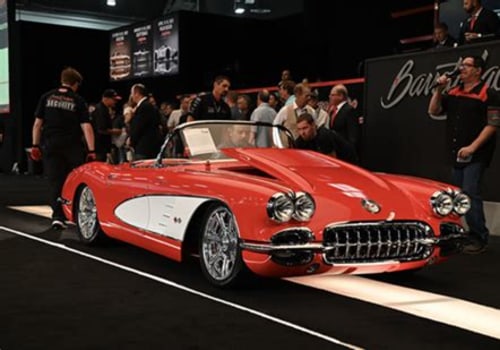
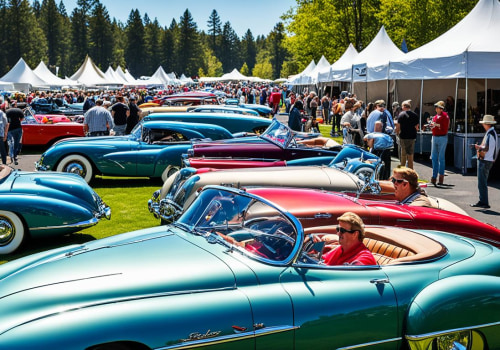
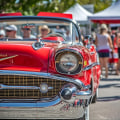
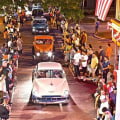
Classic car shows have long been a cherished tradition within the automotive community, serving as vibrant gatherings that celebrate the beauty and engineering of vintage automobiles. These events not only showcase stunning vehicles from various eras but also foster a sense of camaraderie among enthusiasts who share a passion for preserving automotive history. The history of classic car shows dates back several decades, evolving from small local meetups to large-scale exhibitions that attract thousands of visitors. This evolution reflects the growing appreciation for classic cars as cultural artifacts, embodying the design and innovation of their time. The importance of classic car shows extends beyond mere aesthetics; they play a crucial role in educating the public about automotive heritage and the craftsmanship involved in building these timeless machines.
Attendees often have the opportunity to engage with knowledgeable owners and restorers, gaining insights into the stories behind each vehicle. Furthermore, these shows often feature competitions, awards, and even charity events, highlighting their multifaceted nature and community impact. As we look to the future, it is essential to consider how classic car shows will adapt to changing interests and technologies. With the rise of electric vehicles and shifting cultural values, these events may evolve to include a broader range of automotive experiences while still honoring the classic cars that have shaped our roads. Understanding this dynamic landscape will be key to appreciating not only where classic car shows have been but also where they are headed.
The Historical Context of Classic Car Shows
The origins of classic car shows can be traced back to the early 20th century, when automobile enthusiasts began gathering to showcase their prized vehicles.These early events were often informal, held in local parks or community centers, where car owners would display their automobiles and share stories about their history and performance.As the popularity of automobiles grew, so did the scale and organization of these gatherings. By the 1950s and 1960s, car shows began to evolve into more structured events, featuring competitions for best in show, best restoration, and other categories. This period marked a significant turning point in classic car culture, as it fostered a sense of community among enthusiasts and collectors.One of the key milestones in the evolution of classic car shows was the establishment of national events such as the Pebble Beach Concours d'Elegance in 1950 and the Goodguys Rod & Custom Association events starting in 1983. These prestigious shows not only highlighted rare and vintage vehicles but also set standards for quality and authenticity that would influence future events.In recent decades, the rise of technology and social media has further transformed the landscape of car shows. Online platforms allow enthusiasts to connect globally, share their restorations, and promote upcoming events.
This digital shift has made it easier for new generations to engage with classic car culture, ensuring its continued relevance.Today, classic car shows serve as a celebration of automotive history, bringing together diverse communities of collectors, restorers, and fans. As we look to the future, these events are likely to continue evolving, incorporating modern trends while honoring the rich heritage that has shaped them.
Current Trends in Classic Car Shows
As the automotive landscape evolves, classic car shows are adapting to new trends that reflect both the interests of attendees and the broader cultural shifts in car ownership and appreciation. One significant trend is the increasing popularity of themed events. Shows that focus on specific eras, such as the 1960s muscle cars or vintage European sports cars, are drawing larger crowds.These themes not only attract enthusiasts but also create a sense of community among attendees who share similar passions.Another notable trend is the rise of digital engagement. Many classic car shows are leveraging social media platforms to promote their events, share highlights, and connect with a younger audience. This digital presence is crucial for attracting millennials and Gen Z, who are becoming more interested in classic vehicles. As a result, event organizers are incorporating interactive elements such as live streaming, virtual tours, and online voting for awards to enhance attendee experience.
Attendee Demographics
The demographics of classic car show attendees are also shifting.Traditionally dominated by older generations, these events are now seeing a more diverse age range. Younger enthusiasts are increasingly participating, driven by a growing appreciation for vintage cars as symbols of craftsmanship and nostalgia. This shift is encouraging event organizers to diversify their offerings, including more family-friendly activities and educational workshops that appeal to all ages.
Types of Vehicles Showcased
In terms of vehicles showcased, there is a noticeable trend towards electric conversions of classic cars. Enthusiasts are increasingly interested in preserving the aesthetics of vintage vehicles while upgrading their performance and sustainability through electric powertrains.This fusion of classic design with modern technology not only attracts traditional car lovers but also appeals to environmentally conscious consumers.Overall, the future of classic car shows looks promising as they continue to evolve with current trends, embracing new technologies and catering to a broader audience while maintaining the charm that has always defined them.
The Impact of Technology on Classic Car Shows
The landscape of classic car shows is undergoing a significant transformation, driven largely by advancements in technology. As enthusiasts seek new ways to connect and share their passion, the integration of digital tools has become essential.Virtual Car Shows
- One of the most notable changes is the rise of virtual car shows. These online events allow participants from around the globe to showcase their vehicles without the constraints of geographical limitations. Attendees can explore a diverse range of classic cars through live streams, video tours, and interactive platforms.
- Virtual shows often include features such as online voting for awards, allowing fans to engage directly with their favorite vehicles and owners.
This not only enhances participation but also fosters a sense of community among classic car aficionados.
Social Media Engagement
- Social media has become a powerful tool for promoting classic car shows. Platforms like Instagram and Facebook enable organizers to reach wider audiences through targeted advertising and engaging content. Car owners can share their restoration stories, build anticipation for upcoming events, and connect with fellow enthusiasts.
- Moreover, social media allows for real-time updates during events, keeping attendees informed about schedules, featured cars, and special guests. This immediacy enhances the overall experience and encourages more people to participate.
Digital Marketing Strategies
- Effective digital marketing strategies are crucial for the success of classic car shows in this tech-driven era.
Utilizing SEO techniques, email marketing campaigns, and influencer partnerships can significantly boost visibility and attendance.
- By leveraging analytics tools, organizers can gain insights into attendee preferences and behaviors, allowing them to tailor future events to better meet the needs of their audience.
Sustainability and Environmental Considerations
As the world increasingly prioritizes sustainability and environmental responsibility, the classic car community is also adapting to these changes. Classic car shows, once primarily focused on the aesthetics and history of vintage vehicles, are now incorporating eco-friendly practices into their organization and execution.One significant trend is the integration of electric classic cars. Enthusiasts are beginning to modify their beloved vintage vehicles with electric drivetrains, allowing them to maintain the charm of classic designs while reducing their carbon footprint.This shift not only appeals to environmentally conscious collectors but also opens up new avenues for showcasing innovation within the classic car community.
Eco-Friendly Practices at Shows
- Waste Reduction: Many classic car shows are implementing strategies to minimize waste, such as encouraging vendors to use biodegradable materials and providing recycling stations throughout the event.
- Green Transportation: Organizers are promoting carpooling and public transportation options for attendees, reducing the overall emissions associated with travel to and from shows.
- Sustainable Sponsorships: Partnerships with eco-friendly brands are becoming more common, allowing shows to align with companies that share a commitment to sustainability.
The Role of Community and Networking in Classic Car Shows
Classic car shows are more than just a display of vintage automobiles; they serve as vital hubs for community and networking among enthusiasts.These events bring together individuals who share a passion for classic cars, creating an environment where friendships can flourish and knowledge can be exchanged.
The Importance of Community
The sense of community at classic car shows is palpable. Attendees often form bonds over shared interests, whether it’s a specific make or model, restoration techniques, or the history behind their vehicles. This camaraderie fosters a welcoming atmosphere where newcomers can feel at home, encouraging them to participate actively in the hobby.
Networking Opportunities
Classic car shows also provide numerous networking opportunities. Enthusiasts can connect with fellow collectors, restorers, and industry professionals.
These connections can lead to collaborations on restoration projects, sharing of resources, or even business opportunities within the automotive sector. For many, these relationships extend beyond the show itself, leading to lifelong friendships and partnerships.
Clubs and Organizations
Many classic car shows are organized or supported by local clubs and organizations dedicated to preserving automotive history. These groups often host regular meetings, workshops, and events that allow members to deepen their knowledge and skills. Joining a club can enhance the experience of attending classic car shows by providing access to exclusive events and resources.
- Networking with Experts: Clubs often feature guest speakers who are experts in automotive restoration or history.
- Access to Resources: Members may gain access to tools, parts, and advice that can aid in their restoration projects.
- Community Events: Many clubs organize their own shows or participate in larger events, further expanding networking opportunities.
As these events evolve, they will remain essential for fostering connections among enthusiasts and ensuring the preservation of automotive culture for generations to come.
Future Predictions for Classic Car Shows
As we look to the future of classic car shows, several trends and predictions emerge that could shape the landscape of these beloved events. The automotive community is evolving, and with it, the interests and expectations of car enthusiasts.1.Embracing Technology
- With the rise of digital platforms, classic car shows are likely to incorporate more technology. Virtual reality experiences and live streaming could allow enthusiasts from around the world to participate in events they cannot physically attend.
- Mobile apps may become essential tools for attendees, providing real-time updates, interactive maps, and even augmented reality features that enhance the viewing experience.
2.Sustainability and Electric Classics
- The growing emphasis on sustainability may lead to a rise in electric classic cars. Shows might feature modified classics that incorporate electric drivetrains, appealing to environmentally conscious enthusiasts.
- Events could also promote eco-friendly practices, such as reducing waste and encouraging carpooling among attendees.
3.Diverse Participation
- The future of classic car shows will likely see a more diverse range of participants.
Younger generations are showing interest in classic cars, which could lead to a shift in the types of vehicles showcased.
- Inclusivity will be key; events may highlight underrepresented brands and models, fostering a broader appreciation for automotive history.
4.Themed Events and Experiences
- Future car events may focus on specific themes or eras, creating immersive experiences that transport attendees back in time. This could include live music from the era or food trucks serving popular dishes from the past.
- Workshops and seminars on restoration techniques or automotive history could also become staples, providing educational value alongside entertainment.
FAQs About Classic Car Shows
Classic car shows are a beloved tradition for enthusiasts and casual fans alike. Here are some frequently asked questions that can help you navigate these events more effectively:What should I expect at a classic car show?
At a classic car show, you can expect to see a wide variety of vintage vehicles, ranging from muscle cars to classic trucks.Many shows also feature:
- Live music and entertainment
- Food vendors offering local cuisine
- Swap meets for parts and memorabilia
- Awards ceremonies recognizing outstanding vehicles
How do I prepare for attending a classic car show?
Preparation can enhance your experience at a classic car show. Here are some tips:- Check the weather: Dress appropriately for the conditions, as many shows are held outdoors.
- Arrive early: This gives you the best chance to see all the cars and find good parking.
- Bring cash: Some vendors may not accept cards, so having cash on hand is advisable.
- Stay hydrated: Bring water, especially if the event lasts all day.
Can I bring my own classic car to the show?
Many classic car shows allow attendees to showcase their own vehicles. However, it’s essential to check the specific event's rules regarding registration and fees. Some shows may require pre-registration or have limited space for participant vehicles.Are classic car shows family-friendly?
Yes, most classic car shows are designed to be family-friendly, offering activities for all ages.Look for events that include:
- Kid-friendly activities, such as face painting or games
- Pavilions with educational displays about automotive history
- Spectator voting, allowing families to engage in the event
Conclusion: Embracing the Future of Classic Car Shows
As we look towards the future of classic car shows, it is clear that adaptation and innovation will be key to their continued success. The landscape of automotive enthusiasm is evolving, influenced by technological advancements, changing demographics, and shifting cultural values. To remain relevant, classic car shows must embrace these changes while preserving the rich heritage that enthusiasts cherish.One of the most significant trends is the integration of technology into the classic car experience. From virtual reality displays that allow attendees to explore classic cars in immersive environments to online platforms that facilitate remote participation, technology can enhance engagement and broaden accessibility.This shift not only attracts younger audiences but also caters to those who may not be able to attend in person.
- Embracing Diversity: Future classic car shows should prioritize inclusivity by showcasing a wider range of vehicles, including those from underrepresented manufacturers and cultures. This approach can help attract a more diverse audience and foster a sense of community among enthusiasts.
- Sustainability Initiatives: As environmental concerns grow, incorporating sustainability into classic car shows will be essential. This could involve promoting electric conversions of classic cars or featuring eco-friendly vendors, aligning the event with modern values.
- Community Engagement: Building strong connections with local communities can enhance the appeal of classic car shows. Collaborating with local businesses, schools, and charities can create a more vibrant atmosphere and encourage participation from a broader audience.
By embracing technology, promoting diversity, prioritizing sustainability, and engaging with local communities, these events can thrive in the years to come. The passion for classic cars remains strong; it is up to organizers and enthusiasts alike to ensure that this passion continues to flourish in new and exciting ways.