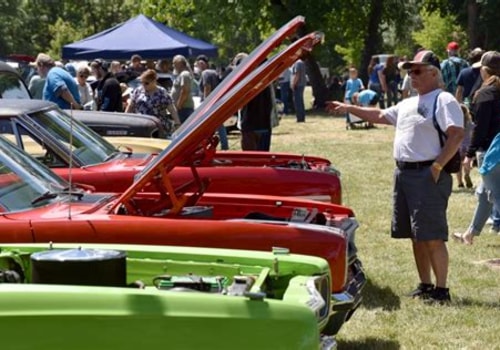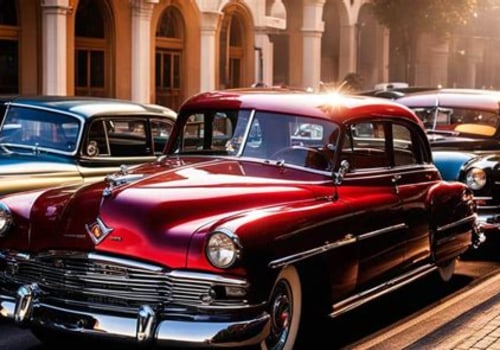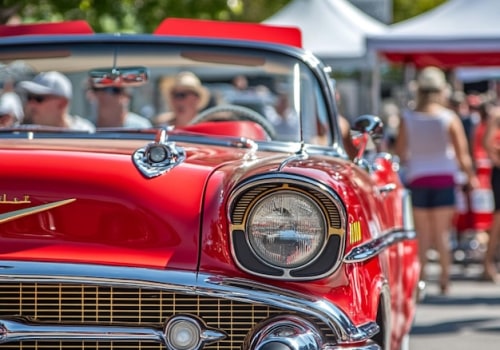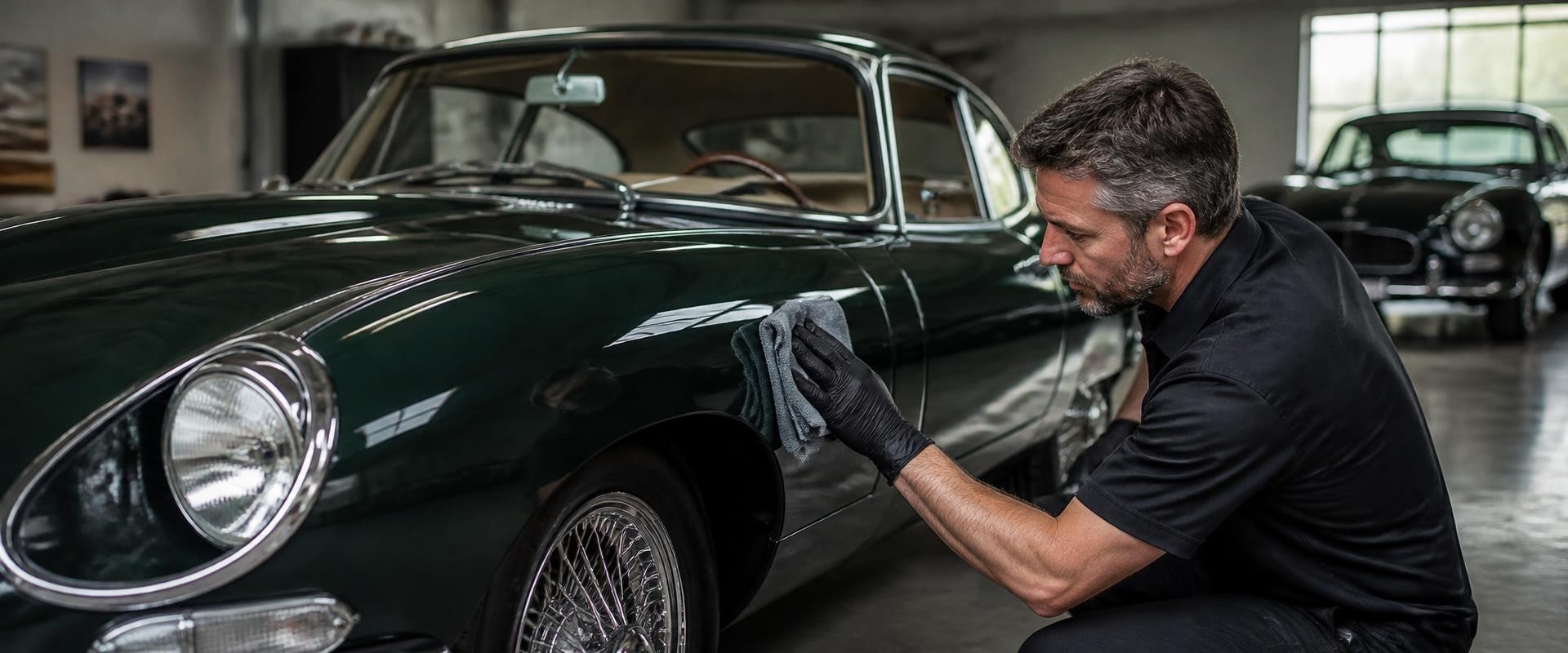
Classic car exhibitions celebrate automotive history, craftsmanship, and timeless design. Among the many elements that contribute to a vehicle's presentation, paint preservation plays a particularly important role. The exterior finish reflects the car's character, originality, and overall condition. Whether showcasing a fully restored vintage automobile or a carefully maintained survivor, preserving the paint helps maintain its visual appeal and historical significance. Proper paint care also protects against environmental damage, ensuring that classic vehicles remain attractive throughout exhibitions and beyond.
Understanding the Importance of Original Paint
Original paintwork can significantly influence a classic car's authenticity and collector value. Unlike modern automotive finishes, older paint systems often require specialized maintenance because of their composition and sensitivity. Single-stage paints, commonly found on vintage automobiles, may be more vulnerable to oxidation, fading, and aggressive polishing techniques. Preserving these finishes requires careful cleaning, gentle correction, and suitable protective products. Exhibition participants should evaluate the paint's condition before attempting restoration, as excessive polishing or repainting may reduce originality and potentially affect the vehicle's historical value.
Preparing the Exterior Through Proper Cleaning
Thorough cleaning is an essential step in preparing a classic automobile for exhibition. Dirt, road grime, and environmental contaminants can diminish the appearance of even the most carefully maintained vehicle. Using appropriate automotive cleaning products helps remove unwanted residue without damaging delicate surfaces. Professional cleaning services, such as Drew's Car Wash, can be considered when preparing vehicle exteriors, although owners should confirm that the available washing methods are appropriate for older finishes. Gentle handwashing, soft microfiber towels, and pH-neutral cleaning solutions are generally preferable for protecting sensitive paintwork.
Paint Correction and Surface Enhancement
Over time, classic vehicles may develop minor scratches, oxidation, water spots, or imperfections that affect their appearance under exhibition lighting. Paint correction techniques can help improve surface clarity and restore depth without requiring a complete repaint. However, correction should be approached cautiously, especially when working with thin or historically significant finishes. Professional detailers may use specialized polishing compounds and equipment to address imperfections while minimizing paint removal. A properly prepared surface enhances reflections, highlights body contours, and allows spectators to appreciate the craftsmanship behind the vehicle's original design.
Protecting Paint During Exhibition Events
Exhibition environments introduce additional considerations for paint preservation. Outdoor shows expose vehicles to sunlight, airborne dust, moisture, and unpredictable weather conditions. Indoor exhibitions may involve intense lighting, frequent handling, and accidental contact from visitors. Applying compatible protective waxes or sealants can help create a barrier against contaminants while enhancing the finish's appearance. Owners should also carry clean microfiber cloths and appropriate detailing products for minor touch-ups. Avoiding unnecessary wiping on dusty surfaces helps reduce the possibility of introducing scratches during the event.
Maintaining Long-Term Value and Presentation
Paint preservation extends beyond achieving an attractive appearance for a single exhibition. Consistent maintenance supports the long-term condition, authenticity, and potential resale value of classic automobiles. Proper storage, controlled humidity, protective covers, and regular inspections help prevent deterioration between events. Owners who prioritize careful preservation can continue showcasing their vehicles while respecting their historical character. Ultimately, thoughtful paint maintenance allows classic cars to represent automotive heritage with the elegance, craftsmanship, and visual appeal that make these exhibitions memorable for enthusiasts and collectors alike.