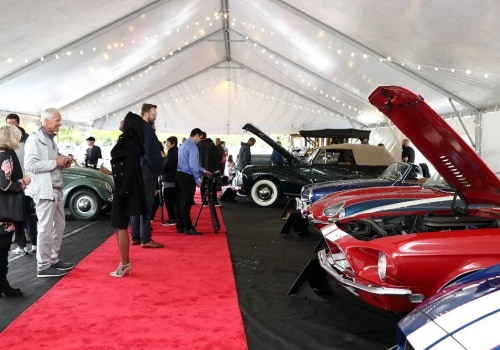
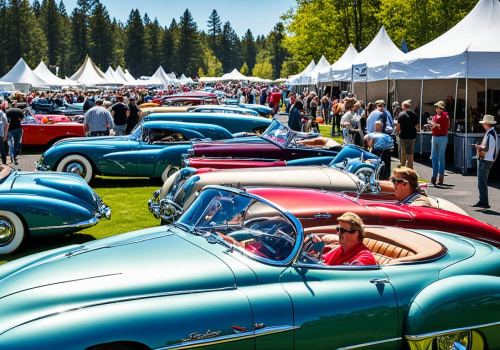
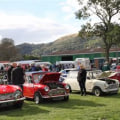
Classic car shows have become a vibrant hub for enthusiasts and casual fans alike, drawing attendees from all corners of the country. The allure of these events lies not only in the stunning array of vintage automobiles but also in the shared passion for automotive history and culture. For many, classic car shows are more than just exhibitions; they are a celebration of craftsmanship, nostalgia, and community. One of the primary reasons people flock to classic car shows is the opportunity to connect with like-minded individuals who share a deep appreciation for these timeless machines. Whether it’s a rare muscle car from the 1970s or a meticulously restored vintage convertible, each vehicle tells a story that resonates with attendees.
This sense of connection fosters a welcoming atmosphere where enthusiasts can exchange tips, share restoration experiences, and even forge lifelong friendships. Moreover, classic car culture transcends geographical boundaries. Many attendees travel great distances to participate in these events, driven by the desire to witness unique vehicles that may not be present in their local shows. The excitement of seeing a beloved model in person or discovering a hidden gem can be exhilarating. As such, classic car shows serve as a melting pot of diverse backgrounds and experiences, uniting people through their love for automobiles.
Demographics of Classic Car Show Attendees
Classic car shows attract a diverse range of attendees, reflecting the broad appeal of vintage automobiles.Understanding the demographics of these visitors can provide insights into who is most drawn to these events.
Age Groups
The age distribution of classic car show attendees tends to skew towards older generations, particularly those aged 40 and above. This demographic often includes individuals who grew up during the golden age of automobiles and have a nostalgic connection to classic cars. However, there is a growing interest among younger enthusiasts, particularly millennials and Gen Z, who appreciate the craftsmanship and history behind these vehicles.Gender Distribution
While classic car shows have traditionally attracted a predominantly male audience, there has been a noticeable increase in female attendees in recent years. Women are increasingly participating not only as spectators but also as collectors and restorers, contributing to a more balanced gender representation at these events.Geographic Distribution
Classic car shows draw visitors from various geographic locations.Many attendees come from nearby towns and cities, but it is not uncommon for enthusiasts to travel long distances to attend major events. For instance, national shows often see participants from across the country, highlighting the passion that drives individuals to celebrate their love for classic cars.
Interests and Motivations
- Car Enthusiasts: Many attendees are avid collectors or restorers who seek to showcase their vehicles or learn more about specific models.
- Family Activities: Families often attend these shows as a way to bond over shared interests in cars and history.
- Networking Opportunities: Classic car shows provide a platform for enthusiasts to connect with like-minded individuals, fostering community and collaboration.
Traveling for Classic Car Shows: A National Phenomenon
Classic car shows have become a national phenomenon, attracting enthusiasts from all corners of the country. The allure of these events goes beyond just the cars; they represent a culture, a community, and a shared passion for automotive history.Many people are willing to travel significant distances to attend these shows, driven by a variety of factors.
Reasons for Traveling
- Passion for Classic Cars: For many, classic cars are not just vehicles; they are a way of life. Attending shows allows enthusiasts to connect with like-minded individuals and share their love for vintage automobiles.
- Networking Opportunities: Car shows provide a platform for networking with other collectors, restorers, and industry professionals. This can lead to valuable connections and insights into the classic car market.
- Access to Rare Vehicles: Many shows feature rare and unique cars that are not typically seen on the road. This draws collectors who want to see these vehicles up close or even purchase them.
- Family-Friendly Events: Many classic car shows are designed to be family-friendly, offering activities for all ages.
This makes them an attractive option for families looking for a fun weekend outing.
Notable Classic Car Show Locations
Some locations have gained fame for hosting exceptional classic car shows:
- Pebble Beach Concours d'Elegance: Held in California, this prestigious event showcases some of the most exquisite classic cars in the world.
- SEMA Show: Taking place in Las Vegas, this show is a hub for automotive innovation and attracts thousands of attendees each year.
- Carlisle Events: Located in Pennsylvania, Carlisle hosts multiple car shows throughout the year, drawing enthusiasts from across the nation.
- Goodguys Rod & Custom Association Shows: These events occur in various locations across the U.S., celebrating hot rods and custom cars.
The Economic Impact of Classic Car Shows
Classic car shows are not just a gathering of enthusiasts; they serve as significant economic engines for the host cities and regions. These events attract visitors from all over, contributing to local economies in various ways.Tourism Boost
- Classic car shows often draw large crowds, with attendees traveling from distant locations. This influx of visitors leads to increased bookings in local hotels, motels, and vacation rentals.
- Restaurants and cafes benefit from the surge in customers, as attendees seek dining options before and after the events.
- Local attractions, such as museums and parks, may see increased foot traffic as visitors explore the area during their stay.
Support for Local Businesses
- Vendors at classic car shows often include local businesses selling automotive parts, memorabilia, and food.
This provides a platform for these businesses to reach a wider audience.
- Merchants in the vicinity of the event can experience a significant uptick in sales, as attendees often shop for souvenirs or necessities while attending the show.
- The presence of classic car enthusiasts can also lead to long-term relationships between local businesses and customers, fostering community ties.
Job Creation
- Organizing a classic car show requires manpower, leading to temporary job opportunities in event planning, security, and logistics.
- Increased tourism can also lead to permanent job growth in sectors like hospitality and retail as businesses expand to meet demand.
Classic Car Shows Around the Country: A Calendar of Events
Classic car shows are a vibrant celebration of automotive history, attracting enthusiasts from all corners of the United States. Each year, numerous events showcase stunning vehicles, foster community engagement, and provide a platform for collectors to share their passion. Here’s a look at some of the most significant classic car shows across the country:- Pebble Beach Concours d'Elegance (California) - Held annually in August, this prestigious event is renowned for its display of rare and vintage automobiles.
It draws collectors and car lovers from around the globe, making it a must-visit for anyone passionate about classic cars.
- Goodguys Rod & Custom Association Events - With multiple shows throughout the year in various states, these events celebrate American hot rods and custom cars. The Goodguys events are known for their family-friendly atmosphere and include activities like live music and vendor exhibits.
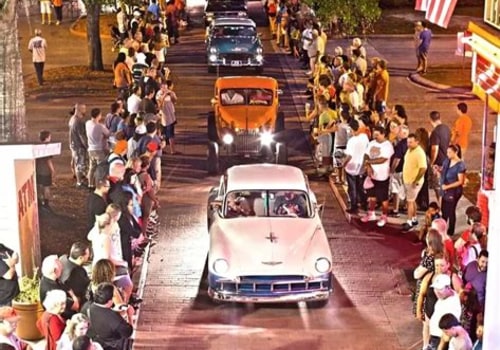
- Woodward Dream Cruise (Michigan) - Taking place every August, this is the world’s largest one-day automotive event. It features a parade of classic cars cruising along Woodward Avenue, attracting over a million visitors who come to enjoy the spectacle.
- Barrett-Jackson Auction (Arizona) - This iconic auction held in January not only showcases classic cars but also offers them for sale to the highest bidder. It’s a significant event for collectors looking to buy or sell high-end vehicles.
- Hershey Antique Automobile Show (Pennsylvania) - Known as one of the largest antique car shows in the world, this October event features thousands of vendors and displays, making it a treasure trove for collectors and enthusiasts alike.
Attendees often travel long distances to participate in these celebrations, showcasing their love for automotive history and culture. Whether you’re a seasoned collector or a casual admirer, attending these classic car shows offers an unforgettable experience filled with nostalgia and camaraderie.
FAQs About Classic Car Shows
Attending classic car shows can be an exciting experience, but many potential attendees have questions about what to expect and how to get involved. Here are some frequently asked questions that can help you prepare for your visit.What can I expect at a classic car show?
Classic car shows typically feature a wide variety of vintage vehicles, ranging from muscle cars to antique automobiles. Here are some common elements you can expect:- Showcase of Vehicles: You will see beautifully restored and maintained cars, often with detailed descriptions of their history and specifications.
- Judging and Awards: Many shows include competitions where cars are judged based on criteria such as originality, restoration quality, and presentation.
- Vendor Booths: Expect to find vendors selling car parts, memorabilia, and other automotive-related merchandise.
- Food and Entertainment: Most events offer food trucks or stands, and some may feature live music or entertainment to enhance the atmosphere.
How can I participate in a classic car show?
If you're interested in showcasing your own vehicle, here are some steps to consider:- Research Events: Look for local or national classic car shows that align with your interests.
- Register Your Vehicle: Most shows require pre-registration.
Check the event's website for details on how to enter your car.
- Prepare Your Car: Ensure your vehicle is clean and in good condition. Some shows may have specific requirements regarding modifications or restorations.
- Engage with Other Enthusiasts: Use the opportunity to network with fellow car lovers, share stories, and learn more about classic cars.
Conclusion: The Enduring Legacy of Classic Car Shows
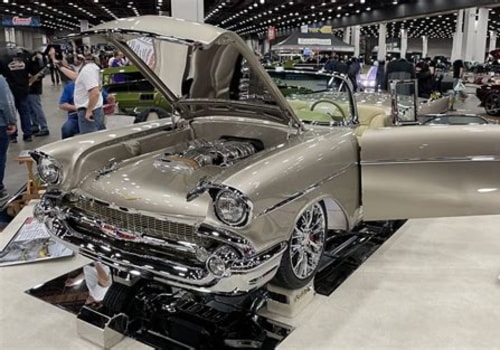
In conclusion, classic car shows serve as a vibrant testament to the passion and dedication of automotive enthusiasts from all walks of life. These events not only showcase stunning vehicles but also foster a sense of community among attendees who share a common love for automotive history and craftsmanship.Throughout this article, we explored how classic car shows attract visitors from diverse backgrounds, uniting them in their appreciation for vintage automobiles.The allure of these events lies not just in the cars themselves, but in the stories they tell and the memories they evoke. From the gleaming chrome of a 1957 Chevy to the elegant curves of a classic Jaguar, each vehicle represents a piece of history that resonates with attendees.Moreover, classic car shows often feature a variety of activities that enhance the experience for visitors. These can include:
- Live demonstrations: Mechanics showcasing restoration techniques.
- Guest speakers: Industry experts sharing insights on automotive trends.
- Networking opportunities: Connecting enthusiasts with similar interests.
As we look to the future, it is clear that these gatherings will remain a cherished tradition, drawing people from all over to share in their love for classic cars.