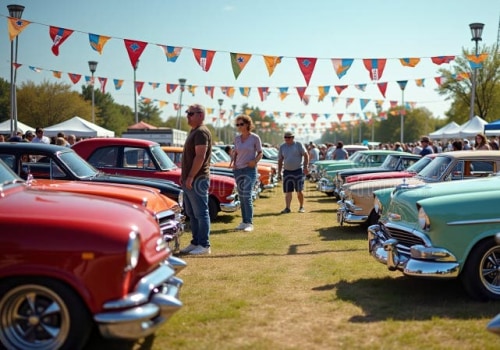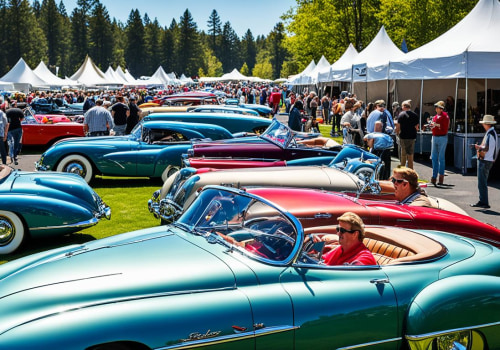
Classic car shows have become a beloved tradition for automotive enthusiasts and casual spectators alike. These events celebrate the rich history and craftsmanship of vintage automobiles, drawing crowds from all walks of life. Whether it’s a local gathering in a park or a large-scale exhibition at a convention center, classic car shows offer a unique opportunity to admire beautifully restored vehicles, meet fellow car lovers, and immerse oneself in the nostalgia of bygone eras. As the popularity of these events continues to grow, many attendees often wonder about the admission fees associated with them. While some shows are free to enter, others may charge a fee to help cover costs such as venue rental, insurance, and event organization.
Understanding these fees can enhance your experience and help you plan your visit accordingly. Additionally, many shows offer various pricing tiers, including discounts for families or early bird tickets, making it easier for everyone to participate in these exciting car show events.In this article, we will explore the different types of classic car shows, the factors that influence admission fees, and what you can expect when attending one of these spectacular gatherings. Whether you’re a seasoned collector or simply curious about classic cars, knowing what to anticipate can make your experience even more enjoyable.
What Are Classic Car Shows?
Classic car shows are events that celebrate vintage automobiles, typically those that are at least 20 years old. These shows provide a platform for car enthusiasts to showcase their prized vehicles, share stories, and connect with like-minded individuals.The atmosphere is often filled with nostalgia, as attendees admire the craftsmanship and history behind each car.The primary purpose of classic car shows is to promote appreciation for automotive history and culture. They serve as a gathering point for collectors, restorers, and fans of classic cars, allowing them to exchange knowledge and experiences. Additionally, many shows aim to raise funds for charitable causes, making them not only a celebration of automotive heritage but also a means of giving back to the community.
Types of Classic Car Shows
- Concours d'Elegance: These prestigious events focus on the beauty and restoration quality of classic cars. Vehicles are judged based on strict criteria, and awards are given to the best in various categories.
- Car Meets: More casual gatherings where enthusiasts come together to display their cars and socialize.
These events often have a relaxed atmosphere and may include food trucks or live music.
- Charity Shows: Events organized specifically to raise funds for charitable organizations. Admission fees or donations collected during these shows typically go directly to the designated charity.
- Swap Meets: These shows focus on buying, selling, or trading car parts and memorabilia. They attract both car owners looking for specific parts and collectors seeking unique items.
Do Classic Car Shows Charge Admission Fees?
When it comes to classic car shows, the question of whether they charge admission fees is a common one among enthusiasts and casual visitors alike.The answer, however, is not straightforward, as it varies significantly depending on the event's location, size, and purpose.Many classic car shows do charge an admission fee, which can range from a modest amount to a more substantial ticket price. Here are some factors that influence these fees:
- Event Type: Some shows are organized as fundraisers for charities or local organizations, which may lead to higher admission costs to support their causes.
- Location: Shows held in urban areas or popular tourist destinations often have higher fees compared to those in smaller towns or rural settings.
- Show Size: Larger events featuring numerous vehicles and activities may charge more due to the increased costs of organization and logistics.
- Duration: Multi-day events might offer different pricing structures, including daily passes or weekend packages.
It's always a good idea to check the specific event's website or contact the organizers for detailed information on admission costs and any additional activities included with your ticket purchase.
Factors Influencing Admission Fees at Classic Car Shows
When it comes to classic car shows, the decision to charge an admission fee can vary significantly based on several key factors. Understanding these factors can provide insight into why some events are free while others require a ticket purchase.Location
The geographical location of a classic car show plays a crucial role in determining admission fees. Shows held in urban areas with higher costs of living may charge more to cover venue expenses, security, and other logistical needs. Conversely, rural or smaller-town shows might be more community-focused and opt for free admission to encourage local participation.Event Size and Scope
The size of the event is another significant factor.Larger shows that feature numerous vehicles, vendors, and activities often require more funding to manage. These events may charge higher fees to support their extensive offerings, including entertainment, food vendors, and amenities for attendees. Smaller shows, on the other hand, may have lower overhead costs and can afford to keep admission free or minimal.
Sponsorship and Funding
Sponsorship can greatly influence whether a classic car show charges admission fees. Events backed by local businesses or automotive companies may receive financial support that allows them to offer free entry.In contrast, shows that lack sponsorship may need to charge fees to cover operational costs.
Purpose of the Event
The purpose behind the classic car show also affects admission pricing. Fundraising events for charities or community projects might charge higher fees with the intention of raising money for a good cause. In such cases, attendees are often willing to pay more knowing their contributions support a meaningful initiative.In summary, the decision to charge admission fees at classic car shows is influenced by various factors including location, event size, sponsorship availability, and the overall purpose of the event. Understanding these elements can help enthusiasts choose which shows to attend based on their interests and budget.Free vs.
Paid Classic Car Shows: Pros and ConsWhen it comes to classic car shows, one of the first considerations for attendees is whether the event charges an admission fee. Both free and paid classic car shows have their unique advantages and disadvantages, which can significantly impact the overall experience for both car enthusiasts and casual visitors.
Benefits of Free Classic Car Shows
- Accessibility: Free classic car shows are more accessible to a wider audience. Families, students, and those on a budget can enjoy the event without financial constraints.
- Higher Attendance: The lack of an admission fee often results in larger crowds, creating a vibrant atmosphere filled with diverse car enthusiasts.
- Community Engagement: Many free shows are organized by local clubs or communities, fostering a sense of camaraderie and local pride.
Advantages of Paid Classic Car Shows
- Quality of Exhibits: Paid events often attract higher-quality vehicles and more serious collectors, leading to a more impressive display of classic cars.
- Better Amenities: Admission fees can help fund better facilities, including food vendors, restrooms, and entertainment options, enhancing the overall experience.
- Charitable Contributions: Many paid shows donate a portion of the proceeds to local charities or causes, allowing attendees to contribute to a good cause while enjoying their passion for classic cars.
However, if you’re a serious enthusiast seeking high-quality vehicles and amenities, investing in a paid show could be worth it. Ultimately, both types offer unique experiences that cater to different audiences within the classic car community.
How to Find Classic Car Shows Near You and Their Admission Policies
Finding classic car shows near you can be an exciting adventure, especially if you’re a car enthusiast. Here are some effective ways to locate these events and understand their admission policies.- Online Search: Utilize search engines by typing in keywords like "classic car shows near me" or "local classic car shows". This will yield a list of upcoming events in your area.
- Social Media: Platforms like Facebook often have event pages dedicated to local car shows.
Join groups focused on classic cars to stay updated on events and admission details.
- Local Car Clubs: Many classic car enthusiasts are part of clubs that regularly host or participate in shows. Reach out to these clubs for information on upcoming events and their respective admission fees.
- Community Boards: Check local community centers, libraries, or coffee shops for flyers or announcements about classic car shows. These often include details about admission policies.
- Website Information: Most shows will have a dedicated website or social media page where they post details about ticket prices, discounts for families, or free admission days.
- Contact Organizers: If the information isn’t readily available online, don’t hesitate to contact the event organizers directly via email or phone. They can provide the most accurate and up-to-date information.
- Local Listings: Websites like Eventbrite or Meetup often list local events, including classic car shows, along with their admission fees.
By knowing how to find these events and understanding their admission policies, you can make the most of your experience.
Frequently Asked Questions About Classic Car Show Admission Fees
When it comes to classic car shows, many attendees often wonder about the admission fees associated with these events. Here are some common questions and answers that can help clarify any uncertainties.Do all classic car shows charge admission fees?
No, not all classic car shows charge admission fees. Some events are free to the public, especially local gatherings or community-organized shows. However, larger or more prestigious events may require a fee to help cover costs such as venue rental, insurance, and event organization.What factors influence the admission fee?
- Location: Shows held in major cities or popular tourist destinations may have higher fees due to increased operational costs.
- Event Size: Larger shows featuring more cars and activities typically charge higher fees compared to smaller, local events.
- Special Features: Events that include live entertainment, food vendors, or special guest appearances may also have higher admission prices.
Are there discounts available for admission?
Many classic car shows offer discounts for seniors, military personnel, or families.Additionally, some events may provide early bird pricing for those who purchase tickets in advance. It's always a good idea to check the event's official website or social media pages for any promotional offers.
What is included in the admission fee?
The admission fee often includes access to view all the classic cars on display, participation in various activities, and sometimes even complimentary items like event programs or merchandise. However, certain attractions within the show, such as food vendors or special exhibits, may require additional payment.In summary, while many classic car shows do charge admission fees, the amount and structure can vary widely based on several factors. Always check the specific event details for the most accurate information regarding entry costs.Conclusion: The Landscape of Admission Fees at Classic Car Shows
In conclusion, understanding the landscape of admission fees at classic car shows is essential for anyone looking to attend these events.As we have explored, the costs associated with entry can vary significantly based on several factors, including the show's location, the scale of the event, and whether it is organized by a non-profit or a commercial entity.Many classic car shows offer free admission, particularly those hosted by local clubs or community organizations. These events often aim to promote car culture and community engagement rather than generate profit. However, larger shows, especially those that feature rare vehicles or include additional attractions like live music and food vendors, may charge a fee to cover operational costs.
- Free Admission: Local clubs and community events often do not charge.
- Moderate Fees: Some shows may charge a nominal fee ranging from $5 to $20.
- Premium Events: Major exhibitions can have higher fees, sometimes exceeding $50.
It allows you to budget accordingly and ensures you can fully enjoy the array of classic vehicles and the vibrant community surrounding them. Whether you’re a die-hard enthusiast or a casual observer, knowing what to expect financially will help you make the most of your visit.