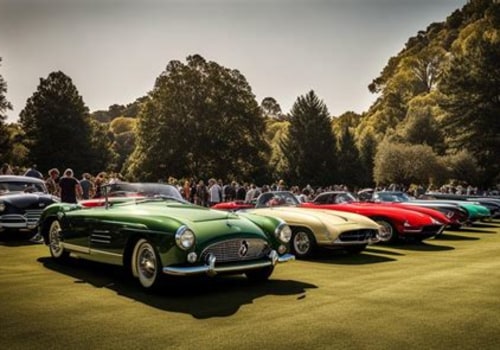
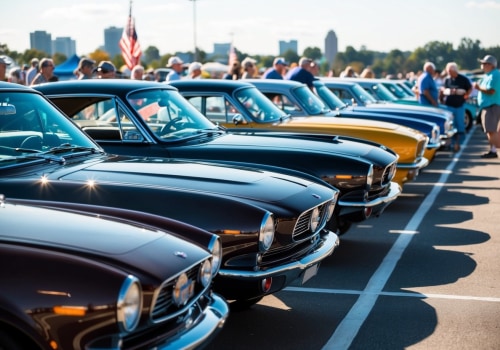
Classic car shows are more than just gatherings of vintage automobiles; they are vibrant celebrations of automotive history and culture. Enthusiasts from all walks of life come together to admire the craftsmanship, design, and engineering that defined eras of motoring. These events serve as a platform for collectors to showcase their prized vehicles, share stories, and connect with fellow aficionados. The allure of classic car shows lies not only in the cars themselves but also in the community that surrounds them, fostering a sense of camaraderie among participants and spectators alike. However, organizing a successful classic car show involves adhering to specific rules and regulations that ensure the safety and enjoyment of all attendees.
From display guidelines to safety protocols, these regulations help maintain the integrity of the event and protect the vehicles on display. Understanding these classic car display rules is essential for both organizers and participants, as they dictate how cars should be presented, what modifications are permissible, and how to handle potential hazards. As we delve deeper into the world of classic car shows, we will explore the various regulations that govern these events. Whether you are a seasoned participant or a newcomer eager to learn more about this fascinating hobby, grasping the framework within which classic car shows operate will enhance your experience and appreciation for these remarkable vehicles.
Overview of Classic Car Show Regulations
When it comes to classic car shows, understanding the various regulations and guidelines is crucial for both organizers and participants. These regulations can vary significantly based on location, venue, and the specific nature of the event.Local Laws and Regulations
- Many cities and counties have specific laws regarding public gatherings, which can affect how a classic car show is organized.
This may include permits for street closures, noise ordinances, and health regulations.
- It’s essential to check with local authorities to ensure compliance with any zoning laws that may impact the event.
Venue-Specific Rules
- Each venue may have its own set of rules regarding vehicle display. For instance, some venues may require that cars be parked in designated areas or that they adhere to specific spacing guidelines to ensure safety and accessibility.
- Additionally, venues might impose restrictions on the types of modifications allowed on vehicles displayed at the show, particularly if they aim to maintain a certain aesthetic or historical accuracy.
Insurance Requirements
- Most classic car shows will require participants to have insurance coverage for their vehicles. This protects both the owner and the event organizers in case of accidents or damages.
- Event organizers should also consider obtaining liability insurance to cover any potential incidents that could occur during the show.
Common Rules for Displaying Cars at Classic Car Shows
When participating in classic car shows, adhering to specific car display rules is essential for ensuring a successful and enjoyable experience for both exhibitors and attendees.Here are some common guidelines that car owners should follow:
- Cleanliness: Vehicles should be thoroughly cleaned and polished before the event. This includes washing the exterior, vacuuming the interior, and ensuring that all chrome and glass surfaces are spotless. A well-maintained appearance not only showcases the car's condition but also reflects the owner's pride.
- Safety Measures: Exhibitors must ensure that their vehicles are parked securely and that any potential hazards, such as leaking fluids or unstable displays, are addressed. It's advisable to use wheel chocks or blocks to prevent rolling, especially on inclines.
- Presentation Standards: Many shows have specific guidelines regarding how cars should be displayed.
This may include the use of display mats, signage, or barriers to protect the vehicle from crowd interaction. Owners should check with event organizers for any particular requirements.
- Documentation: Having documentation available, such as restoration history or original purchase papers, can enhance the display. This not only adds value but also engages visitors who are interested in learning more about the vehicle's background.
- Respecting Space: Each exhibitor is typically allocated a specific area for their vehicle. It’s important to respect these boundaries to ensure that all participants have adequate space to showcase their cars without overcrowding.
Safety Regulations for Participants and Spectators
When organizing or participating in classic car shows, adhering to safety regulations is paramount to ensure a secure environment for both participants and spectators.These regulations not only protect individuals but also enhance the overall experience of the event.
Participant Safety Rules
- Vehicle Condition: All vehicles must be in safe operating condition. This includes functioning brakes, lights, and tires. Participants should conduct a thorough inspection before the event.
- Fire Safety: Fire extinguishers should be readily available, especially for vehicles that may have fuel leaks or other hazards. Participants are encouraged to have a fire extinguisher in their vehicle.
- Electrical Systems: Ensure that all electrical systems are properly insulated and functioning to prevent short circuits or fires.
- Noise Regulations: Some venues may have noise ordinances.
Participants should be aware of these rules and ensure their vehicles comply to avoid disturbances.
Spectator Safety Guidelines
- Designated Walkways: Spectators should always use designated walkways to avoid accidents. Barriers may be set up to guide foot traffic safely around the vehicles.
- Child Supervision: Parents should supervise children closely, as classic car shows can be crowded and vehicles may pose risks if children are not monitored.
- Emergency Exits: Familiarize yourself with the location of emergency exits and first aid stations at the venue. This knowledge can be crucial in case of an emergency.
- Respect Vehicle Space: Spectators should maintain a safe distance from vehicles, especially those that are running or being started. This helps prevent accidents and ensures everyone’s safety.
Organizers should communicate these rules clearly before the event to ensure compliance and enhance safety for all involved.
Judging Criteria and Standards at Classic Car Shows
When it comes to classic car shows, the judging process is a critical aspect that can significantly influence the outcome for participants. Judges typically evaluate vehicles based on a set of established criteria that reflect both the car's condition and its historical significance.Key Judging Criteria
- Condition: This includes the overall appearance of the vehicle, such as paint quality, chrome finish, and interior cleanliness. Judges look for signs of wear and tear, rust, or any modifications that may detract from the car's original state.
- Authenticity: Classic cars are often valued for their originality. Judges assess whether the vehicle retains its original parts and features, including engine components, upholstery, and factory-installed accessories.
- Restoration Quality: For cars that have been restored, judges evaluate the quality of the restoration work.
This includes attention to detail, adherence to original specifications, and the use of correct materials.
- Historical Significance: Some classic cars hold more value due to their historical importance or rarity. Judges may consider the car's production numbers, model year, and any unique features that contribute to its legacy.
Judging Rules and Regulations
Each classic car show may have its own specific rules regarding judging. These can include:- Categories: Cars are often divided into categories based on make, model, or era. This ensures that vehicles are judged against similar types.
- Scoring System: Many shows utilize a point-based scoring system where judges assign scores based on the criteria mentioned above.
The total score determines the winners in each category.
- Judge Training: Judges are usually required to undergo training or have experience in classic car evaluation to ensure fairness and consistency in judging.
FAQs About Classic Car Show Regulations
When it comes to classic car shows, many enthusiasts have questions regarding the rules and regulations that govern the display of vehicles. Here are some frequently asked questions that can help clarify common concerns:What are the general display regulations for classic car shows?
Most classic car shows have specific guidelines that participants must follow. These can include:- Vehicle Condition: Cars should be in good condition, often requiring a certain level of restoration or preservation.
- Age Requirements: Many shows define a classic car as one that is at least 25 years old, but this can vary.
- Display Area: Participants may be assigned specific spots, and it’s important to respect these boundaries to ensure a smooth flow of foot traffic.
Are there any safety regulations to consider?
Yes, safety is a priority at classic car shows. Common safety regulations include:- Fire Extinguishers: Some shows require participants to have a fire extinguisher on hand, especially if the vehicle is equipped with flammable materials.
- Electrical Systems: Vehicles should have functioning electrical systems to avoid hazards.
Can I sell my car at a classic car show?
This depends on the specific event.Some classic car shows allow for sales, while others do not. It’s essential to check with the event organizers regarding their policies on selling vehicles during the show.
What documentation do I need to display my classic car?
Typically, you will need:- Registration Papers: Proof of ownership is often required.
- Insurance Information: Some shows may ask for proof of insurance.
Conclusion: Key Takeaways on Classic Car Show Regulations
In conclusion, understanding the rules and regulations for displaying cars at classic car shows is essential for both exhibitors and attendees. These guidelines not only ensure a smooth event but also enhance the overall experience for everyone involved.- Registration Requirements: Most classic car shows require participants to register their vehicles in advance. This often includes providing details about the car's make, model, year, and any modifications.
- Vehicle Condition: Cars displayed must typically be in good condition, reflecting the standards of classic car enthusiasts.
Some shows may have specific criteria regarding restoration quality.
- Display Space: Exhibitors should be aware of the designated space allocated for their vehicles. Adhering to these dimensions helps maintain an organized layout and ensures safety.
- Insurance and Liability: Many events require proof of insurance to protect against potential damages or accidents. Understanding liability clauses is crucial for exhibitors.
- Judging Criteria: If the show includes a judging component, participants should familiarize themselves with the criteria used by judges. This can include originality, restoration quality, and presentation.
Additionally, attendees can enjoy a well-organized showcase of automotive history, making the experience memorable for all.Ultimately, being informed about the specific rules of each classic car show will not only enhance participation but also foster a sense of community among classic car enthusiasts.