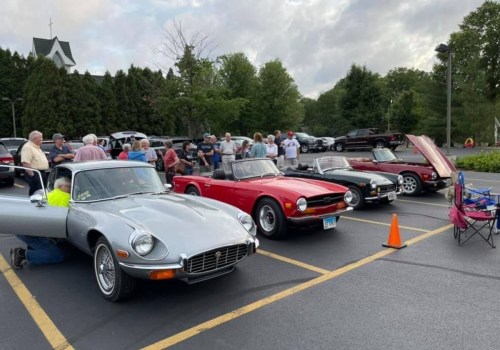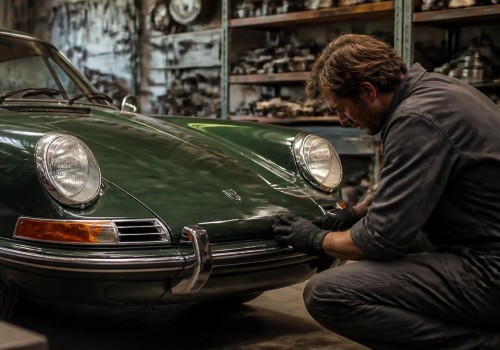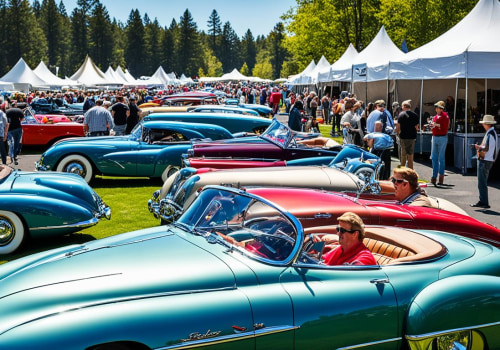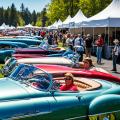
Classic car shows are vibrant gatherings that celebrate the beauty, history, and engineering of vintage automobiles. These events not only showcase stunning vehicles but also serve as a cultural touchstone for enthusiasts and collectors alike. From the gleaming chrome of 1950s muscle cars to the elegant lines of pre-war classics, each car tells a story that resonates with both the past and present. The significance of these shows extends beyond mere aesthetics; they foster a sense of community among car lovers, providing a platform for sharing knowledge, experiences, and passion for automotive history. The history of classic car shows dates back several decades, evolving from small local gatherings to large-scale events that attract thousands of visitors.
Initially, these shows were informal meet-ups where enthusiasts would display their prized possessions in parking lots or community parks. Over time, as interest grew, organizers began to establish more structured events, complete with awards and categories that recognize various aspects of automotive excellence. Today, classic car shows are often held in conjunction with festivals and fairs, further enhancing their appeal and accessibility. Understanding the importance of classic car shows is crucial for appreciating their role in preserving automotive heritage. These events not only highlight the craftsmanship and innovation of bygone eras but also educate new generations about the significance of these vehicles.
By featuring a diverse array of cars—from rare collectibles to beloved classics—organizers create an inclusive environment that invites everyone to engage with automotive history. Ultimately, classic car shows are more than just exhibitions; they are celebrations of culture, nostalgia, and the enduring love for automobiles that continues to thrive today.
Criteria for Selecting Featured Cars
When it comes to classic car shows, the selection of featured vehicles is a meticulous process that reflects both the passion of the organizers and the interests of attendees. Several key criteria are considered to ensure that the cars on display not only attract visitors but also honor automotive history.- Rarity: One of the primary factors in selecting cars is their rarity. Organizers often seek out vehicles that are limited in production or have unique features that set them apart from more common models.
This can include special editions, prototypes, or cars that were only produced for a short period.
- Historical Significance: Cars that have played a pivotal role in automotive history or have notable stories behind them are highly sought after. This could include vehicles owned by famous personalities, those that participated in significant events, or models that introduced groundbreaking technology.
- Condition: The physical state of a car is crucial. Organizers prefer vehicles that are well-preserved or restored to their original condition. A car's paint, interior, and mechanical components are all evaluated to ensure they meet high standards.
- Authenticity: Authenticity is another critical aspect.
Cars that retain their original parts and features are often favored over those with extensive modifications. This adherence to originality helps maintain the integrity of the classic car community.
- Owner Enthusiasm: The passion and knowledge of the car owner can also influence selection. Owners who can share compelling stories about their vehicles often enhance the overall experience for attendees.
The Role of Car Clubs and Enthusiasts
Car clubs and enthusiasts play a pivotal role in the selection process of vehicles featured at classic car shows.These groups are often the backbone of the classic car community, providing not only a network for collectors but also a wealth of knowledge and passion that enhances the overall experience of the show.
Influence of Car Clubs
- Networking Opportunities: Car clubs facilitate connections among members, allowing them to share insights about rare models, restoration techniques, and upcoming events. This networking often leads to recommendations for featured cars at shows.
- Expertise in Selection: Many car clubs have members who are experts in specific makes or models. Their expertise can guide organizers in selecting vehicles that will attract attendees and create a diverse lineup.
- Community Engagement: Car clubs often mobilize their members to participate in shows, ensuring a strong turnout of quality vehicles. This community involvement is crucial for the success of any classic car show.
The Role of Enthusiasts
- Passion-Driven Participation: Enthusiasts are typically driven by their love for classic cars, which translates into a commitment to showcasing their vehicles.
Their enthusiasm can elevate the atmosphere of the show, making it more engaging for attendees.
- Feedback and Trends: Enthusiasts often provide valuable feedback on what types of cars are trending or what features attendees are most interested in. This information can help organizers make informed decisions about which vehicles to highlight.
- Volunteer Support: Many enthusiasts volunteer their time to assist with event logistics, from setting up displays to guiding visitors. Their involvement not only helps streamline operations but also fosters a sense of community among participants.
Regional Variations in Car Show Selections
When it comes to classic car shows, the selection of vehicles often reflects the unique cultural and historical context of the region hosting the event.Different areas of the United States have distinct automotive histories, which significantly influence the types of cars that are showcased.
Regional Preferences
- West Coast: In states like California, classic car shows often feature a plethora of muscle cars and hot rods, reflecting the region's rich car culture and the influence of the automotive industry in Los Angeles.
- Midwest: The Midwest, known for its manufacturing roots, tends to showcase a variety of American classics, particularly those from iconic brands like Ford and Chevrolet, which were historically produced in this region.
- South: Southern states often highlight vintage trucks and convertibles, celebrating a lifestyle that values both utility and leisure driving.
- Northeast: In contrast, the Northeast may focus on European imports, reflecting a different set of preferences shaped by local demographics and historical trends.
Cultural Influences
The cultural backdrop of a region also plays a crucial role in shaping car show selections. For instance, areas with a strong presence of certain communities may see an emphasis on specific types of vehicles that resonate with local traditions. Festivals celebrating particular automotive eras or styles can also dictate which cars are featured.
Local Events and Trends
Additionally, local events such as parades or themed festivals can influence organizers' choices. For example, a classic car show coinciding with a local music festival might prioritize vehicles that align with the musical era being celebrated.
This synergy between local culture and automotive history creates a vibrant atmosphere at classic car shows, making them not just exhibitions but also community celebrations.Ultimately, understanding these regional variations helps organizers curate a lineup that resonates with attendees, ensuring that each classic car show is a reflection of its unique locale.
The Impact of Trends on Car Selection
In the world of classic car shows, trends play a pivotal role in determining which vehicles are showcased. Organizers must stay attuned to the evolving interests of enthusiasts and collectors, as these trends can significantly influence attendance and engagement at events.Current automotive trends
often reflect broader cultural shifts, such as the growing interest in sustainability and electric vehicles. While classic cars are typically associated with traditional combustion engines, there is a rising fascination with restomods—classic cars that have been updated with modern technology, including electric drivetrains. This trend encourages organizers to feature a mix of vintage aesthetics with contemporary performance, appealing to both purists and modern car enthusiasts.Another significant trend is the resurgence of specific popular models.For instance, vehicles from the 1960s and 1970s, such as the Ford Mustang and Chevrolet Camaro, have seen renewed interest due to their iconic status and nostalgic value. Organizers often prioritize these models to attract larger crowds, as they resonate with a wide audience.
- Market Demand: Organizers analyze which models are currently in demand among collectors and enthusiasts.
- Historical Significance: Cars that have played a crucial role in automotive history are often highlighted.
- Restoration Trends: The popularity of restoration projects can influence which cars are featured, as many attendees appreciate seeing well-restored examples.
By understanding what captivates audiences today, organizers can create an engaging experience that celebrates both the history and future of automotive design.
Challenges Organizers Face in Car Selection
Organizing a classic car show is no small feat, and one of the most significant challenges faced by organizers is the selection of vehicles. This process involves navigating a myriad of logistical hurdles, ensuring that the event is both visually appealing and representative of the diverse automotive history.Logistical Challenges
- Space Limitations: One of the primary concerns is the physical space available for displaying cars. Organizers must carefully consider how many vehicles can be showcased without overcrowding, which can detract from the overall experience.
- Transportation: Coordinating the transport of classic cars to and from the venue can be complex. Organizers often need to arrange for specialized transport services that can handle vintage vehicles with care.
- Timing: The timing of the event can also impact car selection.
Certain models may be more popular during specific seasons or years, influencing which cars are available for display.
Diversity in Selection
Another challenge is ensuring a diverse lineup that appeals to a wide audience. Organizers strive to include a variety of makes, models, and eras to showcase the rich tapestry of automotive history. This diversity not only attracts different enthusiasts but also educates attendees about various automotive innovations and styles.
Common Issues Faced
- Owner Availability: Many classic car owners are passionate about their vehicles but may have scheduling conflicts that prevent them from participating in the show.
- Condition of Vehicles: Ensuring that all featured cars are in good condition is crucial. Organizers often face challenges in vetting vehicles to ensure they meet quality standards.
- Insurance and Liability: Securing proper insurance coverage for valuable classic cars can be a daunting task, adding another layer of complexity to the selection process.
FAQs About Classic Car Show Selections
When it comes to classic car shows, many enthusiasts have questions about how organizers select the vehicles that will be featured.Here are some frequently asked questions regarding the selection process:
What criteria do organizers use to select cars?
Organizers typically consider several factors when selecting cars for a classic car show:- Historical Significance: Cars with a rich history or unique story often take precedence.
- Condition: Vehicles that are well-preserved or restored to their original state are more likely to be chosen.
- Rarity: Limited production models or rare finds attract attention and are often featured.
- Owner Enthusiasm: Passionate owners who can share their car's story may influence selection.
Are there specific themes for each show?
Many classic car shows have specific themes that guide the selection process. For example, a show might focus on:- Muscle Cars
- Vintage European Models
- Classic American Trucks
What can attendees expect at a classic car show?
Attendees can look forward to:- A diverse range of vehicles: From vintage classics to modern restorations, there’s something for everyone.
- Engaging stories: Owners often share the history and significance of their vehicles, enhancing the experience.
- A community atmosphere: Classic car shows foster camaraderie among enthusiasts, making it a social event as much as an exhibition.
Conclusion: The Art of Curating Classic Cars for Shows
In conclusion, the process of selecting vehicles for classic car shows is a nuanced art that requires a deep understanding of automotive history, market trends, and audience preferences. Organizers must balance various factors to create a captivating experience for attendees while honoring the legacy of the vehicles on display.Throughout this article, we explored several key elements that influence the curation of classic cars:- Historical Significance: Cars that represent pivotal moments in automotive history or showcase unique engineering feats are often prioritized.
- Rarity and Exclusivity: Limited production models or vehicles with unique features tend to attract more attention and can elevate the prestige of the show.
- Condition and Restoration Quality: The overall condition of a vehicle, including its restoration quality, plays a crucial role in its selection. Organizers often seek cars that have been meticulously restored to their original glory.
- Diversity of Makes and Models: A well-rounded selection that includes various manufacturers, styles, and eras can enhance the appeal of the show, catering to a broader audience.
- Owner Stories: The narratives behind each car can add emotional depth to the exhibition, making it more engaging for visitors.
By carefully considering these factors, organizers can create an unforgettable experience that celebrates the rich heritage of automotive culture. Ultimately, classic car shows serve as a testament to the passion and dedication of both collectors and organizers alike, ensuring that these timeless machines continue to inspire future generations.