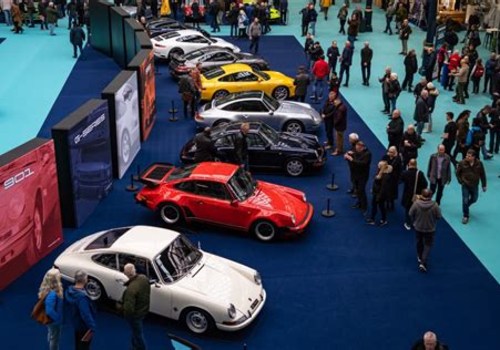
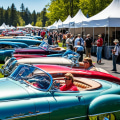
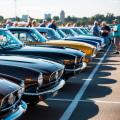
Classic car shows have become a vibrant part of American culture, attracting enthusiasts and casual visitors alike. These events celebrate the beauty and craftsmanship of vintage automobiles, showcasing vehicles that often represent decades of history and innovation. As attendees stroll through rows of gleaming chrome and meticulously restored paint jobs, they are not just admiring cars; they are participating in a community event that fosters connections among car lovers, families, and local businesses. The significance of classic car shows extends far beyond mere entertainment. They serve as a catalyst for economic activity in the regions where they are held.
Local economies benefit from increased foot traffic, as visitors flock to nearby restaurants, hotels, and shops. This influx can lead to a substantial boost in sales for small businesses that might otherwise struggle to attract customers. Understanding the economic impact of these events is crucial for local communities aiming to leverage their unique assets for growth. Moreover, classic car shows often draw participants from outside the immediate area, turning a single-day event into a weekend destination. This not only enhances tourism but also encourages local governments to invest in infrastructure improvements and community services.
As such, classic car shows are more than just gatherings; they are significant contributors to the local economy, creating jobs and fostering a sense of pride among residents.
Overview of Classic Car Shows
Classic car shows are vibrant events that celebrate the beauty and engineering of vintage automobiles, often attracting enthusiasts and collectors from various backgrounds. These shows serve as a platform for showcasing vehicles that are typically at least 25 years old, allowing attendees to appreciate the craftsmanship and history behind each model.The history of classic car shows dates back to the mid-20th century when car enthusiasts began organizing gatherings to display their prized possessions. Initially, these events were small and informal, but they have since evolved into large-scale exhibitions featuring hundreds of vehicles. Today, classic car shows can be found across the United States, ranging from local community events to prestigious national competitions.Types of Classic Car Shows
- Concours d'Elegance: These are high-end shows where cars are judged based on their condition, authenticity, and historical significance.
- Swap Meets: These events focus on buying, selling, and trading parts and memorabilia related to classic cars.
- Car Cruises: Informal gatherings where enthusiasts drive their classic cars together, often culminating in a show-and-tell atmosphere.
- Charity Shows: Events organized to raise funds for various causes, where entry fees and donations contribute to local charities.
Participants often share stories about their vehicles, exchange restoration tips, and bond over a shared passion for automotive history. This camaraderie not only enriches the experience for attendees but also enhances the local culture by bringing together diverse groups of people who appreciate the artistry of classic automobiles.In summary, classic car shows are more than just exhibitions; they are a celebration of history, craftsmanship, and community spirit. Understanding their evolution and types provides valuable context for exploring their impact on the local economy.
Direct Economic Benefits of Classic Car Shows
Classic car shows serve as a vibrant hub for local economies, generating significant direct economic benefits through various channels. One of the primary sources of revenue is ticket sales.Attendees often pay an entry fee, which not only contributes to the event's operational costs but also provides a financial boost to the local community.In addition to ticket sales, classic car shows attract a variety of vendors, including food trucks, merchandise sellers, and automotive parts suppliers. These vendors pay fees to participate in the event, further enhancing the revenue generation aspect. The presence of these vendors creates a marketplace atmosphere that encourages attendees to spend money on food, drinks, and souvenirs.The influx of visitors during classic car shows leads to increased foot traffic in the surrounding area. Local businesses such as restaurants, hotels, and shops benefit from this surge in customers.
For instance:
- Restaurants: Many attendees seek dining options before or after the show, leading to higher sales for local eateries.
- Hotels: Visitors traveling from out of town often require accommodations, boosting occupancy rates and revenue for local hotels.
- Shops: Retailers can capitalize on the increased foot traffic by offering promotions or special deals during the event.
Indirect Economic Impacts on Local Communities
Classic car shows serve as a vibrant catalyst for indirect economic impacts within local communities. These events not only attract car enthusiasts but also draw in tourists, creating a ripple effect that benefits various sectors of the economy.Tourism Boost
When classic car shows are held, they often attract visitors from outside the local area.
These tourists contribute to the economy by spending on accommodations, dining, and entertainment. Hotels and motels experience increased bookings, while local restaurants and shops see a surge in customers. This influx of visitors can lead to a significant boost in sales for local businesses, enhancing the overall economic landscape.
Job Creation
The rise in tourism and local spending during classic car shows can also lead to job creation. As demand for services increases, businesses may need to hire additional staff to accommodate the influx of visitors.
This can include temporary positions in hospitality, retail, and event management. Furthermore, the success of these events can encourage local governments and organizations to invest more in future shows, leading to sustained job opportunities.Additionally, classic car shows often require support from various sectors such as security, catering, and logistics. This creates a network of employment opportunities that extends beyond the immediate event, fostering long-term economic growth.In summary, the indirect economic impacts of classic car shows are profound. By boosting tourism and creating jobs, these events not only celebrate automotive history but also contribute significantly to the vitality of local economies.
Community Engagement and Social Benefits
Classic car shows serve as a vibrant platform for community engagement, bringing together enthusiasts, families, and local businesses.These events create a unique opportunity for residents to connect over a shared passion for automotive history and craftsmanship. As attendees gather to admire vintage vehicles, they also engage in conversations that foster friendships and strengthen community ties.Moreover, classic car shows often feature local vendors, food trucks, and artisans, which not only enhances the event experience but also supports the local economy. By showcasing local talent and products, these shows encourage attendees to shop locally, thereby boosting sales for small businesses. This symbiotic relationship between classic car shows and local commerce can lead to increased investment in the area.
Social Benefits of Classic Car Shows
The social benefits of classic car shows extend beyond mere economic impact.They promote local pride as communities come together to celebrate their heritage and history. Many towns host annual car shows that have become cherished traditions, drawing visitors from neighboring areas and even out of state. This influx of visitors not only enhances community spirit but also positions the town as a destination for automotive enthusiasts.Additionally, classic car shows often include charity components, where proceeds from entry fees or raffles are donated to local causes. This philanthropic aspect not only raises funds for important community projects but also instills a sense of purpose among participants and attendees alike.In conclusion, classic car shows are more than just gatherings of vintage vehicles; they are vital events that enhance community engagement, foster local pride, and contribute significantly to the social fabric of the area.
By attracting diverse groups of people and encouraging local commerce, these events play a crucial role in building a vibrant community culture.
Challenges Faced by Classic Car Shows and Their Organizers
Organizing classic car shows can be a rewarding endeavor, but it is not without its challenges. From securing funding to managing logistics, organizers must navigate a variety of hurdles to ensure a successful event.Funding Issues
- One of the primary challenges faced by organizers is obtaining sufficient funding. Many classic car shows rely on sponsorships, ticket sales, and vendor fees to cover costs.
- Securing sponsorships can be particularly difficult, as businesses may be hesitant to invest in events that do not guarantee high attendance or visibility.
- Additionally, the costs associated with venue rental, insurance, and permits can quickly add up, making it essential for organizers to create a detailed budget and seek out multiple funding sources.
Logistical Hurdles
- Logistics play a crucial role in the success of any event. Organizers must coordinate various aspects such as location selection, parking arrangements, and crowd control.
- Finding an appropriate venue that can accommodate both the cars and the expected number of attendees is often a significant challenge.
The venue must also have adequate facilities for vendors and restrooms.
- Moreover, ensuring that all necessary permits are obtained in advance is vital to avoid last-minute complications that could jeopardize the event.
Community Engagement
- Another challenge is fostering community engagement. Organizers need to promote the event effectively to attract both car enthusiasts and the general public.
- This often involves marketing efforts that include social media campaigns, local advertising, and partnerships with community organizations.
Case Studies: Successful Classic Car Shows and Their Economic Impact
Classic car shows have become a significant driver of economic activity in many communities across the United States. By examining specific case studies, we can see how these events not only celebrate automotive history but also provide substantial financial benefits to local economies.Example 1: The Woodward Dream Cruise
Held annually in Michigan, the Woodward Dream Cruise is one of the largest classic car events in the world, attracting over 1.5 million visitors.This event generates an estimated $56 million in economic impact for the surrounding areas. Local businesses, including restaurants, hotels, and retail shops, see a significant uptick in sales during the cruise weekend. The influx of visitors also creates temporary job opportunities, further boosting the local economy.
Example 2: The Hershey Fall Meet
The Hershey Fall Meet in Pennsylvania is another prime example, drawing around 200,000 attendees each year. This event not only showcases classic cars but also features a massive swap meet where vendors sell parts and memorabilia.The economic impact is estimated at $10 million, with local hotels fully booked and restaurants experiencing record sales. The event fosters community spirit and encourages tourism, making it a vital part of Hershey's annual calendar.
Example 3: The Goodguys Rod & Custom Association Events
The Goodguys Rod & Custom Association hosts numerous classic car shows across the country, each contributing to local economies. For instance, their event in Pleasanton, California, attracts thousands of participants and spectators, generating approximately $5 million in economic activity. Local businesses benefit from increased foot traffic and sales during these events, showcasing how classic car shows can revitalize small towns.These case studies illustrate that classic car shows are more than just gatherings for enthusiasts; they are vital economic engines that support local businesses and create jobs.As communities continue to embrace these events, the positive economic impact will likely grow even further.
Future Trends in Classic Car Shows and Economic Impact Predictions
As the classic car show industry evolves, several future trends are emerging that could significantly influence local economies. One of the most notable trends is the increasing integration of technology into classic car shows. From virtual reality experiences that allow attendees to explore classic cars in immersive environments to online ticketing and registration systems, technology is enhancing the overall experience for both participants and visitors.Moreover, the rise of social media platforms has transformed how classic car shows are marketed and shared. Event organizers are leveraging platforms like Instagram and Facebook to reach wider audiences, showcasing stunning vehicles and engaging stories that attract enthusiasts from beyond local borders.This increased visibility can lead to higher attendance rates, which directly benefits local businesses.
- Collaboration with Local Businesses: Future classic car shows are likely to foster stronger partnerships with local businesses, including restaurants, hotels, and shops. By creating packages or promotions that encourage attendees to explore the area, these events can drive significant economic activity.
- Sustainability Initiatives: As environmental concerns grow, many classic car shows are beginning to incorporate sustainability initiatives. This includes promoting electric or hybrid classic cars alongside traditional models, which could attract a new demographic of eco-conscious attendees.
- Diverse Event Offerings: To appeal to a broader audience, organizers may diversify their event offerings. This could include family-friendly activities, live music, and food festivals that complement the classic car displays, thereby enhancing the overall economic impact.
By attracting tourists and fostering community engagement, these events can become vital components of regional economic strategies.
FAQs About Classic Car Shows and Their Economic Impact
Classic car shows are not just a feast for automobile enthusiasts; they also play a significant role in boosting the local economy. Here are some frequently asked questions that shed light on their economic impact:- How do classic car shows generate revenue for local businesses?
Classic car shows attract large crowds, which leads to increased foot traffic in nearby restaurants, hotels, and shops. Vendors often set up booths at these events, selling food, merchandise, and memorabilia, further contributing to local sales. - What types of jobs are created by classic car shows?
These events can create temporary jobs in event management, security, and hospitality. Additionally, they may lead to long-term employment opportunities in related sectors such as tourism and automotive services. - Do classic car shows have an impact on tourism?
Yes, classic car shows often attract visitors from outside the local area, which can significantly boost tourism.Attendees may stay overnight in local hotels and explore nearby attractions, thereby increasing overall economic activity.
- Are there any costs associated with hosting a classic car show?
While there are costs involved in organizing these events—such as permits, insurance, and venue rental—the potential revenue generated often outweighs these expenses. Local governments may also see increased tax revenue from the influx of visitors. - How can communities maximize the benefits of classic car shows?
Communities can enhance the economic impact by promoting the event through social media and local advertising. Collaborating with local businesses to offer discounts or packages can also encourage attendees to spend more during their visit.
Conclusion: The Lasting Impact of Classic Car Shows on Local Economies
In conclusion, classic car shows serve as a significant catalyst for local economies, fostering growth and community engagement.Throughout this article, we have explored various dimensions of their impact, from direct financial benefits to broader social implications. Firstly, these events attract a diverse audience, including car enthusiasts, families, and tourists. This influx of visitors leads to increased spending in local businesses such as hotels, restaurants, and shops. For instance, a well-attended classic car show can boost hotel occupancy rates and drive up sales for nearby eateries, creating a ripple effect that benefits the entire community. Moreover, classic car shows often promote local culture and heritage, enhancing community pride. They provide a platform for local artisans and vendors to showcase their products, further stimulating the economy.
By supporting small businesses and encouraging entrepreneurship, these events contribute to a vibrant local marketplace. Additionally, the charitable aspect of many classic car shows cannot be overlooked. Numerous events raise funds for local charities and non-profits, reinforcing the social fabric of the community while simultaneously driving economic activity. In summary, the lasting impact of classic car shows on local economies is profound. They not only generate immediate financial benefits but also foster community spirit and support local initiatives. As such, investing in and promoting these events can yield significant returns for towns and cities looking to enhance their economic landscape.