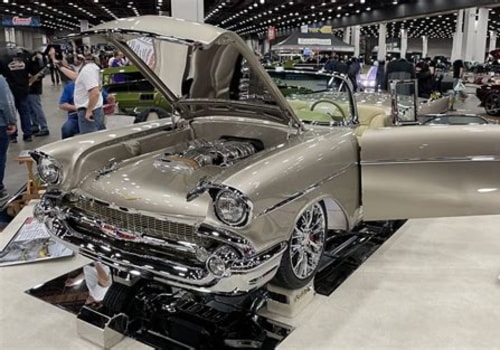
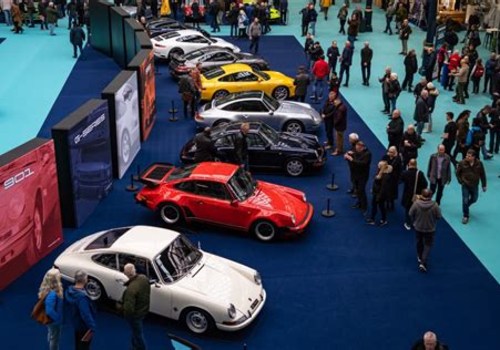
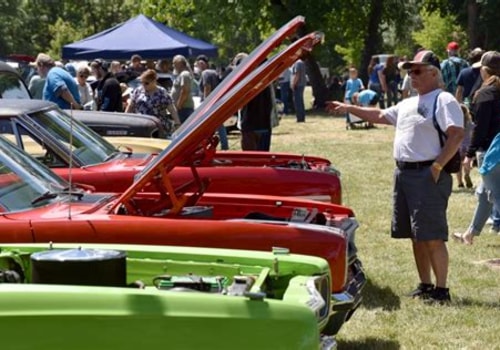
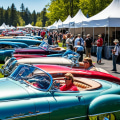
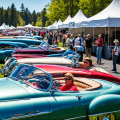
The world of classic car shows has a rich and fascinating history that dates back to the early 20th century. The very first classic car show is widely recognized to have taken place in 1950 at the New York Auto Show. This groundbreaking event was not just a showcase of vintage automobiles; it marked the beginning of a cultural phenomenon that would celebrate the artistry and engineering of classic vehicles. Enthusiasts gathered to admire cars that had become symbols of their respective eras, igniting a passion for preservation and appreciation that continues to thrive today.As the popularity of these events grew, so did the variety and scale of classic car events.
The inaugural show in New York set a precedent, inspiring similar gatherings across the United States and beyond. By the 1960s, classic car shows had evolved into community events, often featuring competitions, parades, and even swap meets where enthusiasts could buy, sell, or trade parts. This evolution not only fostered a sense of camaraderie among car lovers but also helped to establish a dedicated market for classic automobiles.Today, classic car shows are held in various locations around the globe, celebrating not just the vehicles themselves but also the stories and memories they carry. From local fairs to international exhibitions, these events serve as a testament to the enduring allure of classic cars.
Understanding the origins of these shows provides valuable context for appreciating their significance in automotive history and culture.
Key Milestones in Classic Car Show History
The history of classic car shows is rich and varied, marked by several key milestones that have shaped the landscape of automotive exhibitions. Understanding these milestones provides insight into how these events have evolved over time. One of the earliest recorded classic car shows took place in 1950 in New York City. This event was pivotal as it brought together car enthusiasts and collectors, setting the stage for future gatherings. The show featured a range of vintage automobiles, showcasing the craftsmanship and design of earlier decades. In the 1960s, classic car shows began to gain popularity across the United States, with events like the Pebble Beach Concours d'Elegance starting in 1950 and quickly becoming a hallmark of automotive excellence.This event not only celebrated classic cars but also introduced a competitive element, where vehicles were judged based on their restoration quality and historical significance. The 1970s saw a significant shift in the classic car show scene with the rise of regional events. These local shows allowed enthusiasts to connect with one another and share their passion for vintage automobiles. The Goodguys Rod & Custom Association, founded in 1983, played a crucial role in promoting these regional gatherings, emphasizing the importance of community among classic car lovers. As we moved into the 1990s and 2000s, technology began to influence classic car shows. The introduction of online platforms allowed for greater accessibility, enabling enthusiasts to register for events and showcase their vehicles digitally.
This era also saw an increase in themed shows, focusing on specific makes or models, which attracted diverse audiences. Today, classic car shows continue to evolve, incorporating modern elements such as live music, food trucks, and family-friendly activities. Events like the SEMA Show and Barrett-Jackson Auction have become significant not just for showcasing cars but also for celebrating automotive culture as a whole. In summary, from its humble beginnings in New York City to the expansive events we see today, the evolution of classic car shows reflects a growing appreciation for automotive history and community engagement.
The Impact of Classic Car Shows on Automotive Culture
Classic car shows have become a cornerstone of automotive culture, serving as vibrant gatherings that celebrate the history, craftsmanship, and community surrounding classic vehicles. These events not only showcase stunning automobiles but also foster a sense of belonging among enthusiasts, collectors, and casual fans alike.One of the most significant impacts of classic car shows is their ability to connect people. Attendees often share stories about their own vehicles, discuss restoration techniques, and exchange tips on maintenance.This interaction creates a rich tapestry of knowledge that benefits both seasoned collectors and newcomers to the classic car community.
Preservation of Automotive Heritage
Classic car shows play a crucial role in the preservation of automotive heritage. By bringing together rare and vintage models, these events highlight the evolution of automotive design and technology. Participants often take pride in restoring vehicles to their original glory, ensuring that future generations can appreciate the artistry and engineering of past eras.Community Engagement
The impact of classic car shows extends beyond mere exhibitions; they often serve as fundraising events for local charities and community projects. Many shows incorporate activities such as raffles, auctions, and food stalls, which not only enhance the experience but also contribute to local economies.This engagement fosters a spirit of camaraderie among attendees, reinforcing the idea that classic cars are more than just machines—they are a shared passion.Moreover, classic car shows have become platforms for education. Workshops and seminars held during these events provide valuable insights into automotive history, restoration techniques, and even environmental considerations related to classic car ownership. This educational aspect helps demystify classic cars for those who may be intimidated by the idea of owning one.In conclusion, classic car shows significantly influence automotive culture by promoting community engagement, preserving history, and educating enthusiasts. As these events continue to grow in popularity, they will undoubtedly remain vital in shaping the future of the classic car community.
Notable Classic Car Shows Around the World
Classic car shows are a celebration of automotive history, bringing together enthusiasts from around the globe.Here are some of the most notable classic car shows that have gained international recognition:
- Pebble Beach Concours d'Elegance - Held annually in Pebble Beach, California, this prestigious event showcases some of the rarest and most beautifully restored classic cars. It attracts collectors and car lovers alike, making it a must-visit for anyone passionate about classic automobiles.
- Goodwood Revival - Taking place in West Sussex, England, the Goodwood Revival is a unique event that recreates the golden era of motorsport. Participants dress in period attire, and the event features classic racing cars competing on the historic Goodwood circuit.
- Monterey Car Week - This week-long celebration in Monterey, California, includes several events, with the highlight being the Pebble Beach Concours. It features auctions, exhibitions, and various car shows that attract thousands of visitors each year.
- Retromobile - Located in Paris, France, Retromobile is one of Europe’s largest classic car shows.
It showcases vintage vehicles and offers a platform for collectors to buy and sell rare cars and parts.
- Tokyo Auto Salon - While primarily focused on modified cars, this event in Japan also features a significant number of classic vehicles. It highlights the evolution of automotive design and technology.
How to Attend a Classic Car Show: Tips and Tricks
Attending a classic car show can be an exhilarating experience, especially for car enthusiasts and families alike. To make the most of your visit, consider these practical tips and tricks.Plan Your Visit
Before heading out, check the event's official website or social media pages for details on the date, time, and location.Many shows have specific themes or featured cars, so knowing what to expect can enhance your experience.
Arrive Early
Getting to the show early not only allows you to find good parking but also gives you the chance to see the cars as they arrive. This is often when you can meet the owners and hear their stories about the vehicles.Dress Comfortably
Classic car shows can involve a lot of walking and standing. Wear comfortable shoes and dress appropriately for the weather. If it’s sunny, don’t forget sunscreen and a hat!Bring Essentials
- Camera: Capture memories of your favorite cars.
- Water: Stay hydrated, especially during outdoor events.
- Notebook: Jot down interesting facts or contacts for future reference.
Engage with Owners
The heart of any classic car show is the community.Take time to talk to car owners; they often love sharing their passion and knowledge about their vehicles. Ask questions about restoration processes or the history behind their cars.
Explore Beyond the Cars
Many shows feature vendors selling automotive memorabilia, food trucks, and live entertainment. Take advantage of these offerings to enrich your experience.Respect the Space
While it’s tempting to get up close to admire these classic beauties, always respect barriers and signs indicating where you can and cannot go. This ensures both your safety and the preservation of the vehicles.By following these tips, you’ll not only enjoy your time at a classic car show, but you’ll also gain a deeper appreciation for automotive history and culture.Frequently Asked Questions About Classic Car Shows
Classic car shows are a beloved tradition among automotive enthusiasts, and many people have questions about them.Here are some frequently asked questions that can help clarify what to expect at these events.
What is a classic car show?
A classic car show is an event where vintage and classic automobiles are displayed for the public to admire. These shows often feature a variety of makes and models, showcasing the beauty and craftsmanship of cars from different eras.When did classic car shows begin?
The first recognized classic car show took place in the early 1900s, with events gaining popularity in the 1950s and 1960s as car culture blossomed in America. These shows have since evolved into large gatherings that celebrate automotive history.Where can I find classic car shows?
- Local community centers often host annual events.
- Car clubs frequently organize shows in various locations.
- Major automotive events, such as the Pebble Beach Concours d'Elegance, attract classic cars from around the world.
What should I expect at a classic car show?
Attendees can expect to see a wide range of vehicles, from fully restored classics to project cars. Many shows also feature:- Judging categories for awards based on condition, originality, and presentation.
- Vendors selling automotive parts, memorabilia, and food.
- Live entertainment, including music and demonstrations.
How can I participate in a classic car show?
If you own a classic car and want to participate, check the event's website for registration details.Most shows require an entry fee and may have specific criteria regarding the age and type of vehicle allowed.Whether you're a participant or an enthusiast, classic car shows offer a unique opportunity to connect with fellow car lovers and appreciate the rich history of automobiles.
Conclusion: The Legacy of Classic Car Shows
In conclusion, classic car shows have become a vital part of automotive culture, celebrating the rich history and craftsmanship of vintage vehicles. From their humble beginnings to the grand events we see today, these shows have evolved into a platform where enthusiasts gather to share their passion and knowledge.The first classic car show, held in the early 20th century, set the stage for what would become a global phenomenon. It not only showcased the beauty of classic automobiles but also fostered a sense of community among collectors and fans alike. This legacy continues as modern shows attract thousands of visitors, highlighting the enduring appeal of classic cars.Moreover, classic car shows serve as educational experiences, offering workshops and seminars that delve into restoration techniques, maintenance tips, and the historical significance of various models.These events are not just about admiration; they are about preserving history and passing on knowledge to future generations.As we look to the future, it is clear that classic car shows will remain an essential aspect of automotive culture. They provide a unique opportunity for enthusiasts to connect, learn, and celebrate their shared love for these remarkable machines. Whether you are a seasoned collector or a casual admirer, attending a classic car show is an experience that enriches your appreciation for automotive history.In summary, the legacy of classic car shows is one of passion, community, and education. They remind us of the artistry involved in automobile design and the stories behind each vehicle.
As we continue to honor this tradition, we ensure that the spirit of classic cars lives on for generations to come.