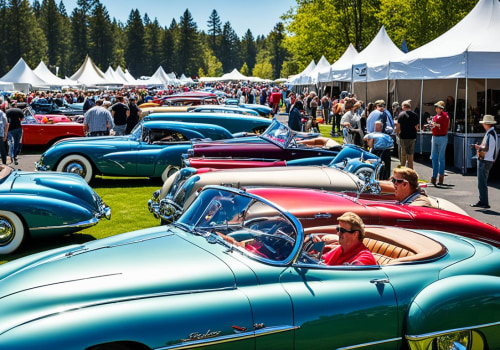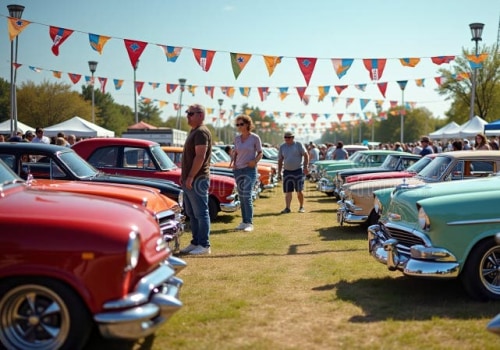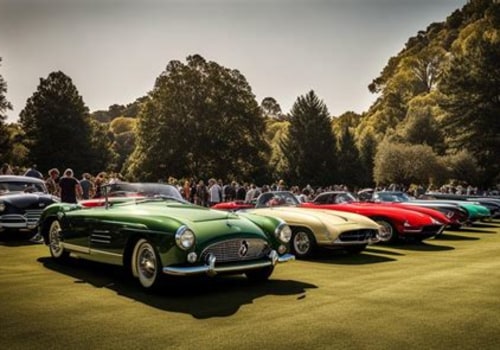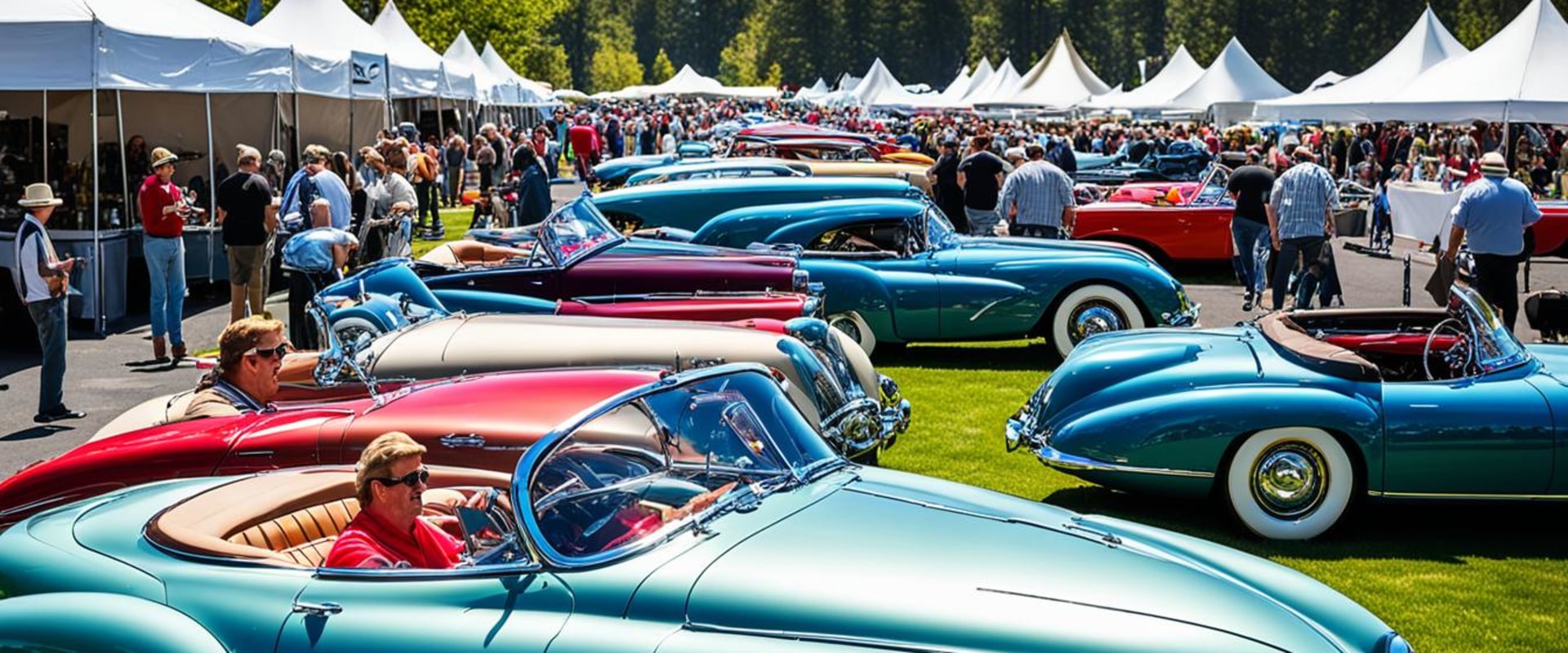
Classic car shows are more than just gatherings of vintage automobiles; they are vibrant celebrations of car culture that attract enthusiasts from all walks of life. These events showcase a rich tapestry of automotive history, featuring vehicles that have become icons in their own right. From the sleek lines of a 1960s Mustang to the rugged charm of a classic Jeep, each car tells a story that resonates with both the young and the old. As attendees stroll through rows of meticulously restored vehicles, they are not only admiring craftsmanship but also engaging with a community that shares a passion for the past. Beyond the aesthetic appeal, classic car shows often incorporate educational components that enhance the experience for visitors.
Many events feature workshops, seminars, and discussions led by experts who delve into topics such as restoration techniques, automotive history, and the evolution of design. These educational opportunities provide attendees with valuable insights into the mechanics and artistry behind these classic machines, fostering a deeper appreciation for the vehicles on display. Moreover, classic car shows serve as a platform for preserving automotive heritage. By showcasing rare models and sharing their histories, these events play a crucial role in educating new generations about the significance of classic cars in American culture. As participants engage with knowledgeable owners and restorers, they gain an understanding of how these vehicles reflect broader societal trends and technological advancements over the decades.
In this way, classic car shows not only celebrate nostalgia but also promote learning and appreciation for automotive history.
The History of Classic Car Shows
The origins of classic car shows can be traced back to the early 20th century, when automobile enthusiasts began gathering to showcase their prized vehicles. These early events were often informal, held in local parks or community centers, where car owners would display their automobiles and share stories about their history and craftsmanship.As the popularity of automobiles grew, so did the scale and organization of these gatherings. By the 1950s and 1960s, car shows began to evolve into more structured events, often featuring competitions for best in show, best restoration, and other categories. This period marked a significant shift as car shows started to attract not only enthusiasts but also families and the general public, creating a broader interest in automotive history.In the decades that followed, the rise of classic car clubs played a crucial role in the evolution of classic car shows.These clubs fostered a sense of community among collectors and restorers, leading to more organized events that included educational components. Many clubs began to incorporate workshops and seminars into their shows, focusing on topics such as restoration techniques, maintenance tips, and the historical significance of various models.Today, classic car shows are not just about showcasing beautiful vehicles; they serve as platforms for education and preservation of automotive history. Attendees can learn about the evolution of car design, the impact of different manufacturers on the automotive industry, and even the cultural significance of certain models during specific eras. This educational aspect enriches the experience for visitors and helps foster a deeper appreciation for classic cars.In summary, understanding the history of classic car shows provides valuable context for their current educational components.
From humble beginnings to large-scale events that celebrate automotive heritage, these shows have transformed into vital resources for enthusiasts and newcomers alike.
Educational Opportunities at Classic Car Shows
Classic car shows are not just a feast for the eyes; they also offer a wealth of educational opportunities for enthusiasts and newcomers alike. These events often feature a variety of workshops, seminars, and expert talks that delve into the intricacies of classic automobiles.Workshops
- Many classic car shows host hands-on workshops where attendees can learn about car restoration techniques, from bodywork to engine rebuilding. These sessions are typically led by experienced restorers who share their insights and tips.
- Some workshops focus on specific skills, such as painting, upholstery, or electrical systems, allowing participants to gain practical knowledge that they can apply to their own projects.
Seminars and Expert Talks
- In addition to workshops, classic car shows often feature seminars led by industry experts. These talks cover a range of topics, including the history of specific car models, the evolution of automotive technology, and the importance of preserving classic vehicles.
- Attendees can engage in Q&A sessions with these experts, providing a unique opportunity to ask questions and gain deeper insights into the world of classic cars.
Networking and Community Learning
Classic car shows also serve as a hub for networking among enthusiasts.
Many attendees share their own experiences and knowledge, creating an informal learning environment. This community aspect allows individuals to exchange tips on maintenance, restoration projects, and even sourcing rare parts.In summary, classic car shows are rich in educational components, offering workshops, seminars, and opportunities for community learning that enhance the overall experience for all attendees. Whether you are a seasoned collector or a curious newcomer, there is always something new to learn at these vibrant events.
Expert Talks and Panels: Learning from Professionals
One of the most enriching aspects of classic car shows is the opportunity to attend expert talks and panel discussions. These sessions are often led by industry professionals, historians, and automotive enthusiasts who share their extensive knowledge and experiences with attendees.This educational component not only enhances the overall experience but also fosters a deeper appreciation for the vehicles on display.
Expert talks
typically cover a range of topics, from the evolution of automotive technology to the intricacies of car restoration. Participants can expect to hear firsthand accounts of how certain models were developed, the challenges faced during production, and the impact these vehicles have had on automotive history. Such insights can be invaluable for both seasoned collectors and newcomers alike.Panel discussions at car shows often feature a diverse group of experts, including engineers, designers, and restorers. These panels provide a platform for dialogue about current trends in the classic car market, preservation techniques, and even future innovations in automotive design.Attendees are encouraged to ask questions, making these sessions interactive and engaging.
- Networking Opportunities: Engaging with experts allows attendees to build connections within the classic car community.
- Hands-On Learning: Some shows offer workshops where participants can learn practical skills related to car maintenance and restoration.
- Historical Context: Understanding the historical significance of certain models can enhance appreciation for their design and engineering.
Hands-On Learning Experiences
Classic car shows are not just about admiring vintage vehicles; they also offer hands-on learning experiences that engage attendees in a unique way. These events often feature interactive exhibits where visitors can explore the mechanics and history of classic cars. For instance, some shows set up displays that allow participants to see the inner workings of engines, transmissions, and other critical components.This kind of engagement helps demystify the technology behind these iconic vehicles.In addition to static displays, many classic car shows host practical workshops led by experienced restorers and mechanics. These workshops provide attendees with the opportunity to learn essential skills such as:
- Basic maintenance: Understanding how to care for a classic car, including oil changes and tire rotations.
- Restoration techniques: Learning about paint restoration, upholstery repair, and engine rebuilding.
- Safety checks: Gaining knowledge on how to perform safety inspections to ensure a classic car is roadworthy.
By participating in these interactive experiences, attendees leave with not only a greater understanding of classic cars but also practical skills that can enhance their own automotive journeys.
Community Engagement and Networking Opportunities
Classic car shows serve as vibrant hubs for community engagement, bringing together enthusiasts from diverse backgrounds who share a passion for automotive history and craftsmanship. These events not only showcase stunning vehicles but also foster an environment where knowledge and experiences can be exchanged freely.One of the most significant aspects of classic car shows is the opportunity for networking. Participants can connect with fellow car lovers, restorers, and collectors, creating a sense of camaraderie that extends beyond the event itself. This networking can lead to:- Collaborative projects: Enthusiasts often team up to restore vehicles or share resources, enhancing their skills and knowledge.
- Mentorship opportunities: Experienced restorers can guide newcomers, providing invaluable insights into the intricacies of classic car maintenance and restoration.
- Access to exclusive resources: Networking at these shows can open doors to parts suppliers, specialized services, and even vintage car clubs.
These sessions cover a range of topics, from restoration techniques to the history of specific models, enriching attendees' understanding of automotive culture.In addition to formal education, the informal conversations that occur at these events are equally valuable. Sharing stories about restoration challenges or discussing the nuances of different car models allows participants to learn from each other’s experiences. This exchange not only enhances individual knowledge but also strengthens the community as a whole.Ultimately, classic car shows are more than just exhibitions; they are platforms for building connections, sharing knowledge, and fostering a sense of belonging among enthusiasts. By engaging with one another, participants contribute to a thriving community that celebrates the art and history of classic automobiles.
FAQs About Educational Components in Classic Car Shows
Classic car shows are not just about showcasing beautiful vehicles; they often incorporate a variety of educational components that enhance the experience for attendees.Here are some frequently asked questions regarding the educational aspects of these events:
- What types of educational activities can I expect at a classic car show?
Many classic car shows feature workshops, seminars, and demonstrations that cover topics such as restoration techniques, maintenance tips, and the history of specific car models. These activities provide valuable insights for both enthusiasts and newcomers. - Are there opportunities to learn from experts?
Yes! Many shows invite industry experts, historians, and seasoned collectors to share their knowledge. Attendees can engage in Q&A sessions, gaining firsthand information about classic cars and their significance. - Can children learn at classic car shows?
Absolutely! Many events include family-friendly activities designed to educate younger audiences about automotive history and engineering. Interactive exhibits and scavenger hunts can make learning fun for kids. - Is there a focus on sustainability in classic car shows?
Some shows are beginning to incorporate discussions on sustainability, including the impact of classic cars on the environment and how restoration practices can be made more eco-friendly.This is an important aspect of modern automotive education.
Conclusion: The Value of Education in Classic Car Shows
In conclusion, classic car shows serve as more than just a gathering of vintage automobiles; they are rich in educational opportunities that enhance the overall experience for attendees. Throughout this article, we have explored various aspects of how these events contribute to learning and appreciation of automotive history. One of the most significant educational components is the chance to engage with knowledgeable owners and restorers. These individuals often share their expertise on the intricacies of car restoration, maintenance, and the historical context of their vehicles.This direct interaction allows attendees to gain insights that are not easily found in books or online resources. Additionally, many classic car shows feature workshops and seminars led by industry experts. These sessions cover a range of topics, from the technical aspects of engine rebuilding to the art of preserving classic paint jobs. Such hands-on learning experiences can ignite a passion for automotive craftsmanship among participants. Moreover, the presence of educational displays and informational signage at these events provides context about the cars on display. Attendees can learn about the evolution of automotive design, the impact of different manufacturers, and the cultural significance of various models throughout history. Ultimately, classic car shows are a celebration of not only the vehicles themselves but also the stories and knowledge that accompany them.
By fostering an environment where education is prioritized, these events ensure that both enthusiasts and newcomers leave with a deeper understanding and appreciation for classic automobiles.