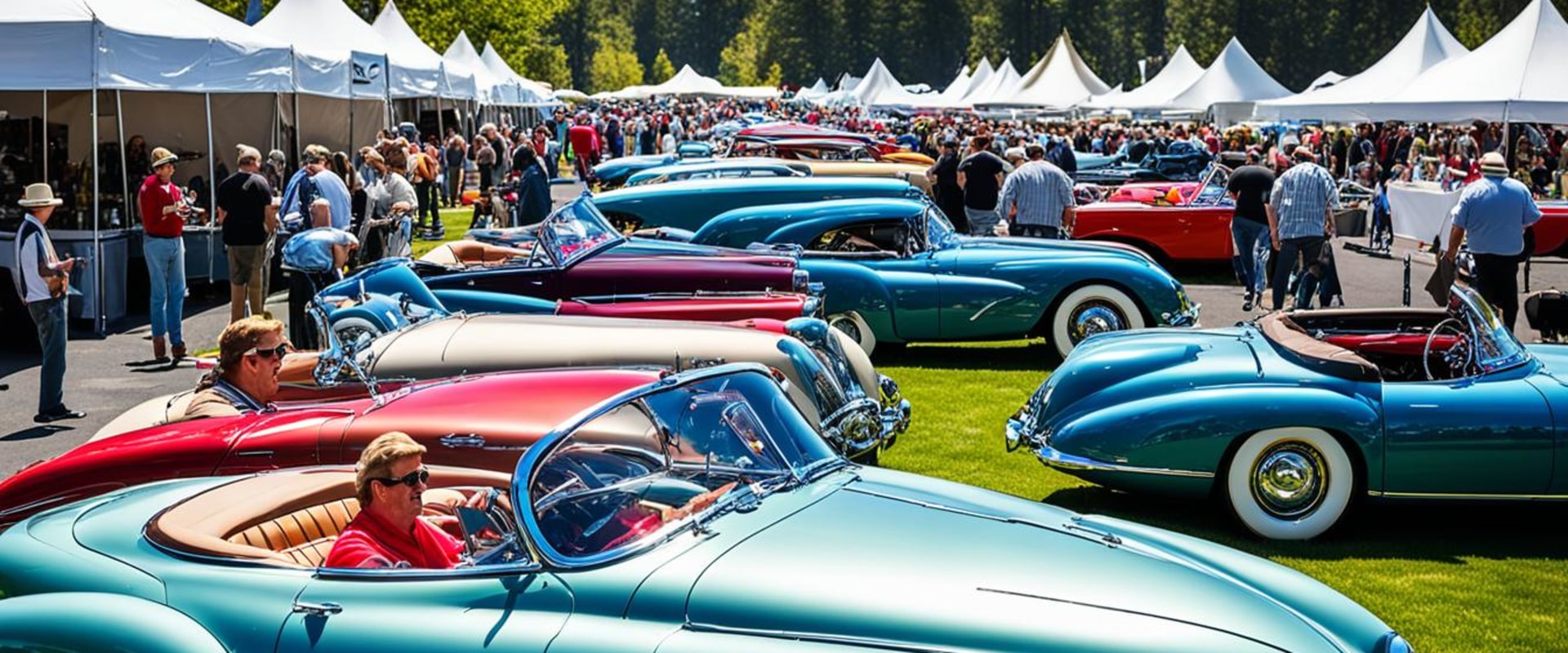
A classic car show is a vibrant gathering that celebrates the beauty, history, and craftsmanship of vintage automobiles. These events typically feature a wide array of vehicles, often categorized by their age, make, and model, allowing enthusiasts and casual visitors alike to appreciate the evolution of automotive design. The definition of classic car shows extends beyond mere exhibitions; they serve as a cultural phenomenon that fosters community among car lovers, collectors, and families.At a classic car show, attendees can expect to see meticulously restored vehicles that represent various eras of automotive history. From the roaring twenties to the muscle cars of the seventies, each car tells a unique story and reflects the technological advancements of its time.
The meaning of classic car shows lies not only in showcasing these magnificent machines but also in preserving the legacy of automotive innovation and celebrating the passion that drives collectors to restore and maintain these vehicles.Moreover, classic car shows often include activities such as live music, food vendors, and contests for best-in-show awards, creating an engaging atmosphere for all ages. These events provide an opportunity for enthusiasts to connect with one another, share knowledge about restoration techniques, and discuss their favorite models. In essence, classic car shows are more than just displays; they are a tribute to the enduring allure of classic automobiles and a testament to the community that cherishes them.
History of Classic Car Shows
The history of classic car shows dates back to the early 20th century, when automobile enthusiasts began gathering to showcase their prized vehicles. The first organized car show is often credited to the 1927 New York Auto Show, which featured a variety of vehicles, including classic models that would later become iconic.These early events were primarily focused on new car releases, but as the automotive industry evolved, so did the interest in vintage and classic cars.By the 1950s and 1960s, the concept of classic car shows began to take shape as a distinct event. Car clubs emerged, bringing together enthusiasts who shared a passion for preserving and celebrating automotive history. The first dedicated classic car show is believed to have taken place in California in 1950, where collectors displayed their vintage vehicles in a friendly competition.As the years progressed, classic car shows evolved significantly. The 1970s saw a surge in popularity for these events, coinciding with the rise of the muscle car era.
Shows began to incorporate various categories, allowing for a broader range of vehicles to be showcased, from pre-war classics to post-war muscle cars.
- 1980s: The introduction of awards and trophies became common, encouraging more participants to showcase their vehicles.
- 1990s: The advent of the internet allowed for greater promotion and organization of events, leading to larger turnouts.
- 2000s: Classic car shows began incorporating entertainment elements such as live music and food vendors, transforming them into community festivals.
Types of Classic Car Shows
Classic car shows come in various forms, each catering to different interests and preferences among car enthusiasts. Understanding the types of classic car shows can help you choose the right event to attend or participate in.Local Meets
Local meets are often informal gatherings held in community parks, parking lots, or car clubs.These events typically feature a smaller number of vehicles and provide a relaxed atmosphere for enthusiasts to share their passion. Local meets are great for networking with fellow classic car lovers and discovering hidden gems in your area.
National Events
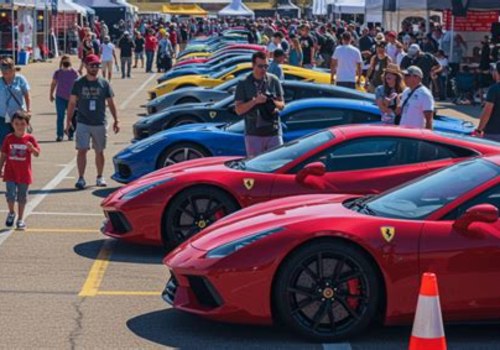
On the other hand, national events are larger-scale shows that attract participants and spectators from across the country. These events often feature hundreds or even thousands of classic cars, showcasing a wide range of makes and models. National events may include competitions, awards, and vendor booths, making them a comprehensive experience for attendees.Themed Shows
Themed shows focus on specific categories or eras of classic cars.For example, you might find a show dedicated to muscle cars, vintage trucks, or even a particular decade like the 1960s. These events allow enthusiasts to dive deeper into their specific interests and often include activities like trivia contests or themed parades.
Charity Shows
Many classic car shows are organized as charity events, where proceeds go to local organizations or causes. These shows not only provide a platform for showcasing beautiful vehicles but also foster a sense of community by supporting important initiatives. Participants often feel good knowing their passion contributes to a greater cause.Concours d'Elegance
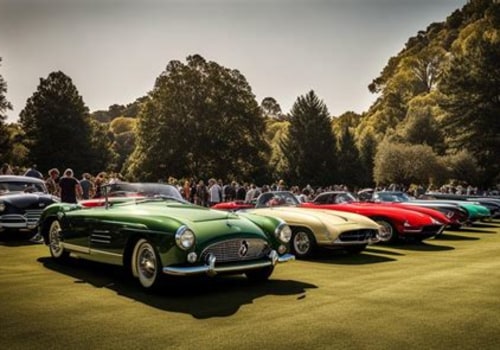
A Concours d'Elegance is a prestigious event that focuses on the beauty and craftsmanship of classic cars.These shows often feature rare and meticulously restored vehicles judged on their condition, authenticity, and presentation. Attending a Concours can be an inspiring experience for anyone who appreciates automotive art.In summary, whether you prefer the casual vibe of local meets or the grandeur of national events, there is a classic car show out there for everyone. Exploring these different types can enhance your appreciation for classic automobiles and connect you with like-minded enthusiasts.
What to Expect at a Classic Car Show
Attending a classic car show is an exhilarating experience that brings together car enthusiasts, collectors, and families for a day filled with nostalgia and excitement. Here’s what you can typically expect when you step into the vibrant world of classic cars.Vehicle Displays
The centerpiece of any classic car show is undoubtedly the stunning array of vehicles on display.From vintage muscle cars to elegant pre-war classics, each car tells a unique story. You can expect to see:
- Restored Classics: Cars that have been meticulously restored to their original glory, showcasing the craftsmanship of yesteryears.
- Custom Builds: Unique vehicles that have been modified or built from scratch, reflecting the personal style of their owners.
- Rare Finds: Limited edition models or cars that are hard to find, often drawing significant attention from collectors.
Competitions and Awards
Many classic car shows feature competitions where vehicles are judged based on various criteria such as originality, restoration quality, and overall presentation. Awards may be given in categories like:- Best in Show: The top honor awarded to the most outstanding vehicle.
- People's Choice: A favorite among attendees, determined by popular vote.
- Best Restoration: Recognizing exceptional restoration work on a classic vehicle.
Social Activities
A classic car show is not just about the cars; it’s also a social event. Expect to engage in various activities that enhance your experience:- Meet and Greet: Opportunities to meet fellow enthusiasts and share stories about your favorite cars.
- Food and Drink Stalls: Enjoy local cuisine and refreshments while mingling with other attendees.
- Live Entertainment: Many shows feature live music or entertainment, adding to the festive atmosphere.
How to Prepare for a Classic Car Show
Preparing for a classic car show can be an exciting yet daunting task, whether you are a first-time attendee or a seasoned participant.Here are some essential tips to ensure you make the most of your experience.
Preparing Your Vehicle
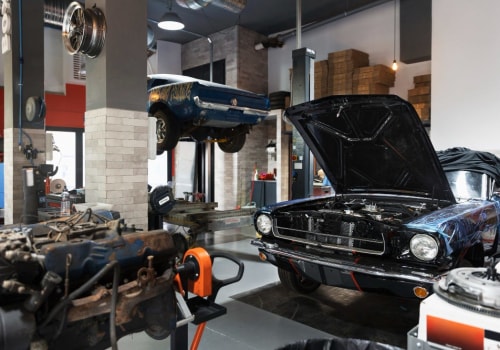
If you plan to showcase your classic car, it’s crucial to prepare it properly:- Clean and Detail: Start with a thorough wash and wax. Pay attention to the interior, tires, and engine bay. A well-detailed car not only looks better but also attracts more attention.
- Check Fluids: Ensure that all fluids (oil, coolant, brake fluid) are topped off and leak-free. This will help avoid any issues during the show.
- Inspect Tires: Check tire pressure and tread condition.
Properly inflated tires enhance the appearance and safety of your vehicle.
- Gather Documentation: Bring any relevant documents such as registration, insurance, and history of the vehicle. This can add value to your presentation.
What to Bring
When attending a classic car show, being prepared with the right items can enhance your experience:- Comfortable Clothing: Dress appropriately for the weather and wear comfortable shoes, as you may be walking around for hours.
- Sunscreen and Hats: Protect yourself from sun exposure, especially during outdoor events.
- Camera or Smartphone: Capture memories of your favorite cars and moments at the show.
- Water and Snacks: Stay hydrated and energized throughout the day by bringing your own refreshments.
Engaging with Others
A classic car show is not just about the cars; it’s also about connecting with fellow enthusiasts:- Network: Take the opportunity to meet other car owners and enthusiasts. Share stories and tips about restoration and maintenance.
- Participate in Activities: Many shows offer contests, raffles, or seminars. Engaging in these activities can enhance your experience.
Whether you’re showcasing your pride and joy or simply enjoying the sights, preparation is key to making lasting memories.
The Role of Classic Car Clubs in Shows
Classic car clubs play a pivotal role in the organization and success of classic car shows. These clubs are often the backbone of the classic car community, bringing together enthusiasts who share a passion for vintage automobiles. By collaborating with event organizers, classic car clubs help to ensure that shows are well-structured and enjoyable for both participants and attendees.Community Involvement
One of the primary benefits of classic car clubs is their ability to foster community involvement. Members often volunteer their time and resources to help set up events, manage logistics, and promote the shows within their networks.
This grassroots effort not only enhances the quality of the event but also strengthens the bonds among club members and local car enthusiasts.
Networking Opportunities
Classic car shows provide an excellent platform for networking among enthusiasts, collectors, and industry professionals. By joining a classic car club, members gain access to exclusive events, workshops, and meet-ups that can lead to valuable connections. These interactions can result in collaborations on restoration projects, sharing of resources, or even business opportunities within the automotive sector.
Benefits of Joining a Classic Car Club
- Access to Resources: Members often benefit from shared knowledge about restoration techniques, maintenance tips, and sourcing parts.
- Discounts on Events: Many clubs offer reduced entry fees for shows and other automotive events.
- Social Events: Clubs frequently organize social gatherings that allow members to showcase their vehicles and share stories.
- Advocacy: Clubs often advocate for classic car owners' rights, helping to protect vintage vehicles from restrictive regulations.
Frequently Asked Questions about Classic Car Shows
Classic car shows are a popular way for enthusiasts to celebrate automotive history and showcase their prized vehicles.Here are some frequently asked questions about classic car shows that can help you understand what to expect:
- What is a classic car show? A classic car show is an event where vintage and classic automobiles are displayed for the public to admire. These shows often feature a variety of makes and models, allowing attendees to appreciate the craftsmanship and design of older vehicles.
- Who can participate in a classic car show? Generally, anyone with a classic car can participate, but specific shows may have eligibility criteria based on the age or type of vehicle. It's best to check the event's rules before registering.
- What types of cars are considered "classic"? While definitions vary, classic cars are typically those that are at least 20 years old. Some shows may also include antique cars (over 45 years old) and muscle cars from the 1960s and 1970s.
- Are classic car shows family-friendly? Most classic car shows are designed to be family-friendly, featuring activities for all ages, including food vendors, live music, and sometimes even children's games.
- How do I find a classic car show near me? You can find local classic car shows by checking community calendars, automotive clubs, or websites dedicated to car events.
Social media platforms also often promote upcoming shows.
- What should I bring to a classic car show? If you're attending as a participant, ensure you have your vehicle registration and any necessary documentation. As a spectator, consider bringing sunscreen, comfortable shoes, and perhaps a camera to capture your favorite cars.
Conclusion: The Enduring Appeal of Classic Car Shows
In conclusion, classic car shows represent more than just a gathering of vintage automobiles; they are a celebration of history, craftsmanship, and community. These events allow enthusiasts to connect with one another, share stories, and appreciate the artistry behind each vehicle. From the gleaming chrome of a 1957 Chevy to the elegant curves of a classic Jaguar, every car tells a story that resonates with its owner and the audience alike.The cultural significance of classic car shows extends beyond mere nostalgia.They serve as a reminder of the evolution of automotive design and technology, showcasing how far we have come while honoring the past. Many attendees find inspiration in these vehicles, sparking interest in restoration projects or even igniting a passion for automotive history.
- Community Engagement: Classic car shows foster a sense of belonging among enthusiasts. They create opportunities for networking and friendships that can last a lifetime.
- Educational Opportunities: Many shows include seminars and workshops that educate attendees about car maintenance, restoration techniques, and the history of specific models.
- Family-Friendly Events: These shows often cater to families, providing activities for children and making it a fun day out for all ages.
The passion and dedication displayed by owners at these shows ensure that the legacy of classic cars will continue to thrive for generations to come.