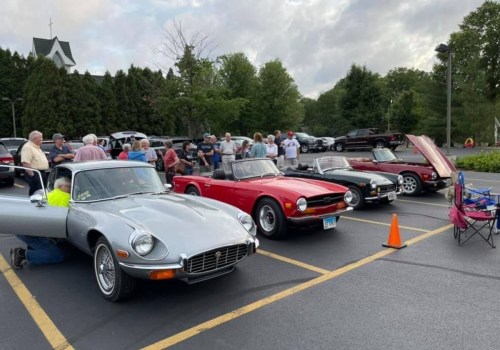
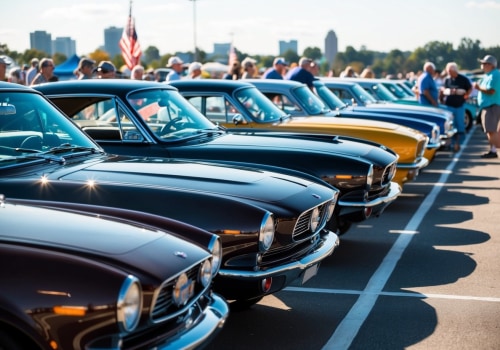
Classic car shows are more than just gatherings of vintage automobiles; they are vibrant celebrations of automotive history and culture. These events attract enthusiasts, collectors, and casual observers alike, all drawn together by a shared passion for the artistry and engineering of classic vehicles. From the gleaming chrome of 1950s muscle cars to the elegant lines of pre-war luxury models, classic car shows offer a unique opportunity to appreciate the craftsmanship that has shaped the automotive industry over the decades.The significance of classic car shows extends beyond mere nostalgia. They serve as platforms for education, where attendees can learn about the evolution of design and technology in automobiles.
Many shows feature expert speakers, workshops, and panels that delve into topics such as restoration techniques, the impact of classic cars on popular culture, and the future of vintage vehicles in a rapidly changing world. This blend of entertainment and education fosters a deeper appreciation for these rare machines.Among the many attractions at these events are the rare cars that often steal the spotlight. From one-of-a-kind prototypes to limited-production models, these vehicles represent not just a piece of history but also a testament to human ingenuity. As we explore what makes certain cars stand out at classic car shows, we uncover stories of innovation, passion, and sometimes even mystery.
Each rare car has its own narrative, contributing to the rich tapestry that defines classic car culture.
Defining Unique and Rare Cars in the Context of Classic Car Shows
When attending classic car shows, enthusiasts often encounter vehicles that stand out due to their uniqueness or rarity. But what exactly defines a car as unique or rare in this context? Understanding these terms is essential for appreciating the extraordinary vehicles showcased at these events.Defining Unique Cars
A unique car is typically one that possesses distinctive features or characteristics that set it apart from others. This could include:- Custom Modifications: Vehicles that have been extensively modified or personalized, showcasing the owner's creativity.
- Limited Editions: Cars produced in small numbers, often with special features or designs that are not available in standard models.
- Historical Significance: Models that played a pivotal role in automotive history, such as those used in famous races or owned by notable figures.
Understanding Rare Cars
Rare cars, on the other hand, are defined by their scarcity. Factors contributing to a car's rarity include:- Production Numbers: Vehicles produced in limited quantities, making them hard to find today.
- Survivorship: The number of existing examples of a particular model; many classic cars may have been lost to time, accidents, or neglect.
- Market Demand: Certain models may be highly sought after by collectors, driving up their perceived rarity and value.
Collectors and enthusiasts alike are drawn to these exceptional vehicles, each telling its own story through design, history, and craftsmanship. Understanding these definitions helps attendees appreciate the significance of the cars on display and the passion behind their preservation.
Notable Classic Car Shows Around the World
Classic car shows are not just gatherings of vintage automobiles; they are celebrations of automotive history, culture, and craftsmanship. Across the globe, several notable classic car shows stand out for their unique offerings and the rare vehicles they attract.- Pebble Beach Concours d'Elegance - Held annually in California, this prestigious event is renowned for showcasing some of the rarest and most beautifully restored cars in the world. The show features a competitive judging process, where vehicles are evaluated based on their historical significance, design, and condition.
- Goodwood Revival - Taking place in the UK, this event transports visitors back to the golden age of motorsport.
Classic cars race on the historic Goodwood circuit, and attendees often dress in period attire, enhancing the nostalgic atmosphere.
- Monterey Car Week - This week-long celebration in California includes multiple events, auctions, and shows. The highlight is the Pebble Beach Concours d'Elegance, but other events like the Quail Motorsports Gathering also feature rare and exotic vehicles.
- Retromobile - Located in Paris, this show is a haven for classic car enthusiasts. It focuses on vintage automobiles and their history, with many rare models on display from various eras.
- Classic Motor Show - Held in Birmingham, UK, this event showcases a wide range of classic cars from different manufacturers and eras. It attracts thousands of visitors each year and features a variety of exhibits and activities.
They provide a platform for collectors to share their passion and for newcomers to learn about the rich history of automotive design. Each location offers its own unique charm and atmosphere, making them must-visit destinations for anyone interested in classic cars.
The Most Unique Cars Ever Displayed at Classic Car Shows
Classic car shows are a treasure trove for automotive enthusiasts, showcasing some of the most unique and rare cars in history. Among the myriad of vehicles displayed, a few stand out due to their extraordinary design, engineering, and cultural significance.The 1937 Talbot-Lago T150-C-SS
One of the most iconic classic cars ever displayed is the 1937 Talbot-Lago T150-C-SS. Known for its stunning Art Deco design, this car features a long hood and a distinctive teardrop shape that was revolutionary for its time.Only a handful of these models were produced, making it a rare gem at any classic car show. Its history is equally fascinating, as it was once owned by famous personalities, adding to its allure.
The 1954 Ferrari 375 MM Spider
Another standout is the 1954 Ferrari 375 MM Spider, which not only boasts a powerful V12 engine but also has a rich racing pedigree. This car was driven by legendary racers like Juan Manuel Fangio and has been meticulously restored to its original glory. Its presence at classic car shows often draws crowds eager to witness a piece of racing history.The 1962 Ferrari 250 GTO
No discussion of rare cars would be complete without mentioning the 1962 Ferrari 250 GTO.With only 39 units ever made, this model is considered one of the most valuable cars in the world. Its combination of performance and beauty has made it an icon in automotive history. When displayed at classic car shows, it often becomes the centerpiece, attracting collectors and enthusiasts alike.These examples illustrate just a fraction of the unique cars that grace classic car shows. Each vehicle tells a story, representing not just engineering excellence but also the passion and dedication of those who restore and preserve them for future generations.
Factors Contributing to a Car's Rarity and Uniqueness
When it comes to understanding what makes a classic car truly unique or rare, several key factors come into play.These elements not only enhance the car's value but also its appeal at classic car shows.
- Production Numbers: One of the most significant factors contributing to a car's rarity is its production numbers. Limited production runs, such as those seen with models like the Ferrari 250 GTO or the Bugatti Type 57SC Atlantic, create a sense of exclusivity. The fewer units produced, the more coveted the vehicle becomes among collectors and enthusiasts.
- Historical Significance: A car's historical context can greatly influence its uniqueness. Vehicles that played pivotal roles in automotive history, such as those used in racing or significant events, often carry a story that adds to their allure.
For instance, cars associated with famous personalities or landmark moments in automotive innovation are highly sought after.
- Design Innovations: Unique design features or groundbreaking technology can set a classic car apart from its peers. Cars that introduced new engineering concepts or aesthetic styles often become icons in their own right. For example, the Chrysler Airflow was one of the first cars to utilize streamlined design principles, making it a standout in automotive history.
- Condition and Restoration: The condition of a classic car plays a crucial role in its rarity. Vehicles that have been meticulously maintained or restored to their original specifications are more desirable.
Authenticity in restoration—using original parts and techniques—can significantly enhance a car's value at shows.
Interviews with Classic Car Show Organizers and Experts
To gain a deeper understanding of what makes certain vehicles stand out at classic car shows, we reached out to several organizers and experts in the field. Their insights reveal not only the passion behind these events but also the criteria that define a truly unique or rare car.Insights from Organizers
- John Smith , a veteran organizer of the annual Classic Car Extravaganza, emphasized the importance of provenance. "A car's history can elevate its status significantly.
For instance, vehicles with celebrity ownership or those that have participated in significant races often draw more attention," he noted.
- Linda Garcia , who manages the Vintage Wheels Show, pointed out that rarity is not just about production numbers. "Some cars are rare because they were only produced for a short time or had unique features that were never replicated," she explained, citing the 1954 Mercedes-Benz W196 as an example.
Expert Opinions on Rare Cars
- Dr. Mark Thompson , an automotive historian, shared his thoughts on what collectors look for: "The most sought-after cars often have a compelling story. A vehicle like the 1937 Talbot-Lago T150-C-SS Teardrop Coupe is not just rare; it embodies an era of design and innovation that captivates enthusiasts."
- Susan Lee , a classic car appraiser, added, "Condition and originality are key factors.
A car that has been meticulously restored to its original specifications will always attract more interest than one that has been modified extensively."
The Future of Classic Car Shows: Trends and Predictions
As we look to the future of classic car shows, several emerging trends are shaping the landscape of these beloved events. The integration of technology, sustainability, and a focus on community engagement are just a few areas where we can expect significant evolution.Technological Integration
One of the most notable trends is the incorporation of technology into classic car shows. From virtual reality experiences that allow attendees to explore rare vehicles in 3D to mobile apps that enhance visitor engagement, technology is set to revolutionize how enthusiasts interact with classic cars. For instance, augmented reality could provide detailed histories of unique models, making the experience more immersive.Sustainability and Eco-Friendly Practices
As environmental concerns grow, classic car shows are beginning to adopt more sustainable practices.This includes showcasing electric conversions of classic cars and promoting eco-friendly restoration techniques. Future events may feature a dedicated section for green classic cars, highlighting innovations that marry vintage aesthetics with modern sustainability.
Community and Inclusivity
The future of classic car shows will likely see a stronger emphasis on community involvement and inclusivity. Organizers are increasingly recognizing the importance of creating spaces where diverse groups can share their passion for classic vehicles. This could lead to more events that celebrate underrepresented car cultures or focus on local automotive history.Predictions for Unique Displays
Looking ahead, we can predict that the display of unique and rare cars will become even more curated and thematic.Expect to see specialized showcases that highlight specific eras, manufacturers, or design philosophies. Additionally, as the market for classic cars continues to evolve, we may witness an increase in the value and rarity of certain models, making them prime candidates for exhibition at these shows.In conclusion, the future of classic car shows is poised for exciting changes driven by technology, sustainability, and community engagement. As these trends unfold, they will not only enhance the experience for attendees but also ensure that the passion for classic cars continues to thrive in new and innovative ways.
FAQs About Unique Cars at Classic Car Shows
When it comes to classic car shows, enthusiasts often have a plethora of questions regarding the unique and rare vehicles on display. Here are some frequently asked questions that can help clarify what makes these cars so special.What defines a unique or rare car?
A unique or rare car is typically characterized by its limited production numbers, distinctive design, or historical significance.These vehicles often have a story behind them, whether it's a famous owner, a groundbreaking engineering feat, or a significant role in automotive history.
Are there specific classic car shows that focus on rare vehicles?
Yes, many classic car shows feature categories specifically for rare and unique cars. Events like the Pebble Beach Concours d'Elegance and the Amelia Island Concours d'Elegance are renowned for showcasing some of the most exclusive automobiles in the world.How can I find out about rare cars at local classic car shows?
- Check the event's official website for a list of featured vehicles.
- Follow local car clubs and forums that often share information about upcoming shows.
- Attend preview events or press days if available, as they may highlight unique cars before the main event.
What should I look for when assessing the rarity of a classic car?
When evaluating a classic car's rarity, consider the following factors:- Production Numbers: Fewer units produced typically indicate higher rarity.
- Condition: Originality and preservation can significantly affect a car's uniqueness.
- Provenance: A vehicle with a notable history or celebrity ownership can enhance its rarity.
Conclusion: Celebrating the Rarity of Classic Cars at Shows
In conclusion, the allure of classic car shows is significantly enhanced by the presence of unique and rare vehicles. These extraordinary automobiles not only showcase the pinnacle of automotive engineering but also tell stories of innovation, passion, and history. As we have explored, the most unique cars displayed at these events often serve as a testament to the creativity and craftsmanship of their makers.From one-of-a-kind prototypes to limited production models, each rare car adds a layer of excitement and intrigue to classic car shows.Enthusiasts and collectors alike are drawn to these vehicles, eager to learn about their origins and the circumstances that led to their rarity. The emotional connection that many have with these cars often transcends mere admiration; it fosters a community of like-minded individuals who share a deep appreciation for automotive history.
- Preservation of History: Rare cars at classic car shows help preserve automotive history, reminding us of the innovations that shaped the industry.
- Community Engagement: These unique vehicles spark conversations among attendees, creating bonds over shared interests and experiences.
- Inspiration for Future Generations: Showcasing rare cars inspires young enthusiasts to appreciate classic automobiles and consider careers in automotive design and restoration.