Classic car shows are more than just gatherings of vintage vehicles; they are vibrant celebrations of automotive history and culture. These events attract car enthusiasts from all walks of life, each sharing a passion for the craftsmanship and nostalgia that classic cars embody. From the gleaming chrome of a 1957 Chevy to the elegant curves of a 1965 Mustang, these shows provide a unique opportunity to appreciate the artistry and engineering that defined eras of automotive design. At classic car shows, attendees can immerse themselves in a community that values not only the vehicles but also the stories behind them. Each car has its own narrative, often tied to personal memories or historical significance.
This connection fosters a sense of camaraderie among participants, as they exchange tales of restoration projects, road trips, and the thrill of driving these timeless machines. The atmosphere is electric, filled with the sounds of revving engines and the laughter of families enjoying a day out. As we delve deeper into the world of classic car shows, it becomes clear that certain types of classic cars consistently capture the spotlight. From muscle cars that roar with power to elegant vintage models that exude sophistication, each category has its own dedicated following. Understanding which types of classic cars are most popular at these events not only highlights trends within the community but also reflects broader cultural shifts in automotive appreciation.
Defining Classic Cars: What Makes a Car 'Classic'?
To understand what qualifies as a classic car, it’s essential to consider several key criteria that define this category.Generally, a classic car is recognized for its age, historical significance, and the level of interest it garners among collectors and enthusiasts.
Age
is one of the primary factors in defining a classic car. While there is no universally accepted age threshold, many organizations consider vehicles that are at least 20 years old to be classic. However, some enthusiasts argue that cars must be at least 25 years old to truly earn the title of classic.
Historical significance
plays a crucial role in determining whether a car is deemed classic. Cars that have made a notable impact on automotive history, such as those that introduced innovative technology or design, are often more sought after.
For instance, models like the Ford Model T or the Chevrolet Corvette are celebrated not just for their age but for their contributions to the automotive landscape.
Collector interest
is another vital criterion. A classic car's desirability can significantly influence its classification. Cars that have a strong following among collectors or have been featured in popular culture tend to be more popular at classic car shows. This interest can stem from various factors, including rarity, performance, and aesthetic appeal.In summary, a vehicle qualifies as a classic car based on its age, historical significance, and collector interest.
Understanding these criteria helps enthusiasts appreciate why certain models stand out at classic car shows, making them more popular among attendees and collectors alike.
Top Classic Car Models Frequently Seen at Shows
When it comes to classic car shows, certain models consistently steal the spotlight, captivating enthusiasts and casual onlookers alike. Here are some of the most popular classic car models frequently seen at these events:- Ford Mustang (1964-1973) : The Ford Mustang is an iconic symbol of American muscle. Launched in 1964, it quickly became a favorite for its powerful performance and stylish design. The early models, particularly the 1965 Fastback, are highly sought after for their classic lines and robust V8 engines.
- Chevrolet Corvette (1953-1962) : Known as America’s sports car, the Chevrolet Corvette has a rich history that began in the early 1950s.
The C1 models, especially the 1957 version, are celebrated for their sleek design and impressive speed, making them a staple at classic car shows.
- Plymouth Barracuda (1964-1974) : The Barracuda was one of the first pony cars to hit the market, and its unique fastback design set it apart from competitors. Models from the late 1960s are particularly popular due to their performance options and distinctive styling.
- Dodge Charger (1966-1978) : With its bold design and powerful engine options, the Dodge Charger has become a classic favorite. The 1969 model is especially revered for its aggressive stance and has been immortalized in pop culture, further enhancing its appeal at shows.
- Volkswagen Beetle (1938-2003) : The Volkswagen Beetle is not just a car; it's a cultural icon. Its unique shape and reliable performance have made it a beloved classic.
Vintage models attract attention for their quirky charm and nostalgic value.
Regional Variations: Popular Classic Cars by Location
The landscape of classic car shows across the United States reveals fascinating regional preferences that reflect local culture, history, and automotive trends. From the muscle cars of the Midwest to the vintage European imports on the coasts, each region showcases its unique favorites.Midwest: Muscle Cars Reign Supreme
In the heart of America, particularly in states like Michigan and Ohio, muscle cars dominate the scene. Iconic models such as the Ford Mustang, Chevrolet Camaro, and Dodge Charger are frequently seen at local shows.The Midwest's rich automotive history, with Detroit as its epicenter, contributes to this trend. Enthusiasts often gather to celebrate these powerful vehicles that symbolize American engineering.
West Coast: A Love for Vintage Imports
On the West Coast, particularly in California, there is a noticeable preference for vintage European cars. Brands like Porsche, Volkswagen, and Jaguar attract significant attention at car shows. The coastal lifestyle and appreciation for design and performance make these classic imports highly sought after.Events such as the Pebble Beach Concours d'Elegance highlight this trend, showcasing some of the most exquisite classic cars from Europe.
South: Classic Trucks and Hot Rods
The Southern states have a unique affinity for classic trucks and hot rods. Vehicles like the Chevrolet C10 and Ford F-100 are popular among collectors and show-goers alike. The culture of customization is strong here, with many enthusiasts modifying their trucks for both aesthetics and performance. Car shows in Texas and Florida often feature these vehicles prominently, reflecting a blend of nostalgia and innovation.Northeast: A Mix of Classics
The Northeast showcases a diverse array of classic cars, from American classics to European sports cars.Events in states like New York and Massachusetts often feature a mix of vehicles that appeal to various tastes. The presence of historical car clubs also influences this diversity, as members bring their prized possessions to share with fellow enthusiasts.Understanding these regional variations not only enhances the experience at classic car shows, but also provides insight into the cultural significance of these vehicles across different parts of the country. Whether you’re a fan of muscle cars or vintage imports, there’s something for everyone at these events.
The Role of Car Shows in Classic Car Culture
Car shows play a pivotal role in the classic car culture, serving as vibrant community events that bring together enthusiasts, collectors, and casual fans alike. These gatherings are not just about showcasing vehicles; they are a celebration of history, craftsmanship, and shared passion.One of the primary importance of car shows lies in their ability to foster community engagement.Attendees often form lasting friendships and networks, united by their love for classic automobiles. This sense of camaraderie is palpable at events where stories are exchanged, tips on restoration are shared, and new friendships are forged over a shared admiration for vintage cars.
Preservation of Classic Cars
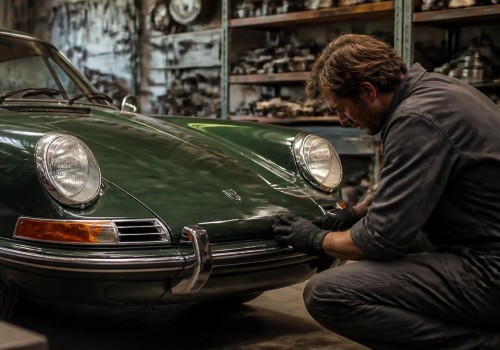
Moreover, car shows contribute significantly to the preservation and appreciation of classic cars. By providing a platform for owners to display their meticulously restored vehicles, these events highlight the importance of maintaining automotive history. Many participants take pride in showcasing their cars' unique features and the stories behind them, which helps educate the public about the significance of these machines.Social Aspects of Car Shows
The social aspect of attending car shows cannot be overstated.Families often make it a tradition to attend these events together, creating memories that span generations. Children are introduced to the world of classic cars at a young age, sparking interest that may lead to future restoration projects or even careers in automotive design and engineering.
- Networking Opportunities: Car shows provide a platform for enthusiasts to connect with industry professionals, potential buyers, and fellow collectors.
- Educational Workshops: Many events include workshops or seminars that educate attendees on car maintenance, restoration techniques, and the history of specific models.
- Charitable Causes: Numerous car shows support local charities, with proceeds from entry fees or raffles going towards community initiatives.
Interviews with Classic Car Show Participants
At classic car shows, the passion of the participants often shines through in their stories. We spoke with several classic car owners to gain insights into their experiences and the models they cherish most.John, a 1967 Ford Mustang owner
, shared his enthusiasm: "The Mustang is not just a car; it’s a piece of history.
I remember my father taking me to my first car show when I was a kid, and seeing that iconic pony car made me fall in love with classic cars. Every time I take it out, I feel that same excitement. The camaraderie among fellow enthusiasts is what keeps me coming back to these shows."
Lisa, who owns a 1955 Chevrolet Bel Air
, recounted her favorite moment: "I was at a local show when a couple approached me, excited to see my Bel Air. They told me it was the same model their parents had when they were young.
We spent hours talking about the memories tied to that car. It’s moments like these that make classic car shows special; they connect generations through shared experiences."Many participants also highlighted the diversity of vehicles on display. Mark, an avid collector of vintage Corvettes , noted, "Each show is like a time capsule. You can see everything from muscle cars to elegant classics.
It’s fascinating to hear the stories behind each vehicle and what makes them unique to their owners."Another common theme among participants is the community aspect. Susan, who restores classic cars with her husband , emphasized, "We’ve made lifelong friends through these shows. It’s not just about showcasing our cars; it’s about sharing knowledge and passion with others who appreciate the art of classic automobiles."These personal stories illustrate that classic car shows are more than just events; they are gatherings that celebrate history, community, and shared passions among enthusiasts.
FAQs About Classic Car Shows and Popular Models
When it comes to classic car shows, enthusiasts often have a plethora of questions regarding the most popular models and what to expect at these events. Here are some frequently asked questions that can help clarify common misconceptions and provide valuable insights.What types of classic cars are most commonly seen at shows?
Classic car shows typically feature a wide variety of vehicles, but some models consistently stand out due to their popularity and historical significance.The following models are often highlighted:
- Ford Mustang: An iconic American muscle car that has a dedicated fan base.
- Chevrolet Corvette: Known for its sleek design and performance, the Corvette is a staple at many shows.
- Dodge Charger: This classic car is celebrated for its powerful engine and distinctive style.
- Plymouth Barracuda: A favorite among collectors, the Barracuda is recognized for its unique design and performance capabilities.
- Volkswagen Beetle: With its quirky design, the Beetle attracts a diverse crowd of enthusiasts.
Are there specific criteria for a car to be considered 'classic'?
The definition of a classic car can vary, but generally, a vehicle must be at least 20 years old to qualify. Some organizations may have stricter guidelines, requiring cars to be over 25 or even 30 years old. Additionally, the vehicle should possess historical significance or unique features that set it apart from modern cars.What should I expect when attending a classic car show?
Attending a classic car show can be an exhilarating experience. Visitors can expect:- A wide range of vehicles on display, from vintage models to rare finds.
- Opportunities to meet fellow enthusiasts and share stories about their favorite cars.
- Vendors selling parts, memorabilia, and other automotive-related items.
- Activities such as contests, raffles, and sometimes live music or food trucks.
Conclusion: The Enduring Appeal of Classic Cars at Shows
In conclusion, the enduring appeal of classic cars at shows is a testament to their significance in automotive history and culture.Throughout this article, we have explored the various factors that contribute to the popularity of certain models, including their design, performance, and the nostalgia they evoke among enthusiasts.Classic car shows serve as a vibrant platform where enthusiasts gather to celebrate these timeless vehicles. The most popular types of classic cars often include:
- Muscle Cars: Iconic models like the Ford Mustang and Chevrolet Camaro continue to draw crowds with their powerful engines and bold designs.
- Vintage European Cars: Brands such as Ferrari and Porsche captivate audiences with their rich heritage and engineering excellence.
- Classic Trucks: Vehicles like the Ford F-Series and Chevrolet C/K series showcase the rugged charm of American automotive history.
Enthusiasts take pride in restoring these vehicles to their former glory, showcasing not only the car's history but also their craftsmanship. This dedication to preservation ensures that classic cars remain relevant and appreciated by future generations.Ultimately, the allure of classic cars at shows lies in their ability to transcend time, connecting people through shared experiences and admiration for automotive artistry. As long as there are enthusiasts willing to celebrate these remarkable machines, classic car shows will continue to thrive as a cherished tradition.