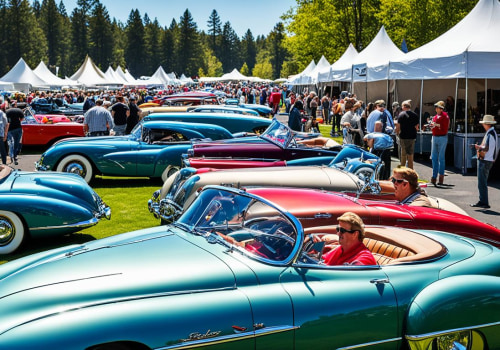
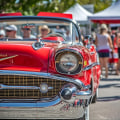
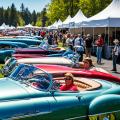
Classic car shows have become a beloved tradition for automotive enthusiasts and casual spectators alike. These events celebrate the rich history and craftsmanship of vintage automobiles, drawing crowds eager to admire stunning restorations and unique designs. From the gleaming chrome of a 1957 Chevy to the elegant curves of a classic Jaguar, classic car shows offer a nostalgic journey through time, showcasing vehicles that have become icons in their own right. The appeal of classic car events extends beyond just the cars themselves; they foster a sense of community among collectors, restorers, and fans. Attendees often share stories, swap tips on restoration techniques, and even forge lifelong friendships over their shared passion for these timeless machines.
However, as with any large gathering, ensuring the safety of participants and spectators is paramount. Safety measures at car show safety events are crucial to maintaining an enjoyable atmosphere. Organizers typically implement various precautions, such as designated walking paths, barriers to separate vehicles from foot traffic, and trained personnel to manage crowds. These steps not only protect the valuable cars on display but also ensure that everyone can appreciate the beauty of these classics without incident. As we delve deeper into the world of classic car shows, it becomes clear that while the cars may steal the spotlight, safety remains a vital component of these cherished gatherings.
Understanding the Importance of Safety at Classic Car Shows
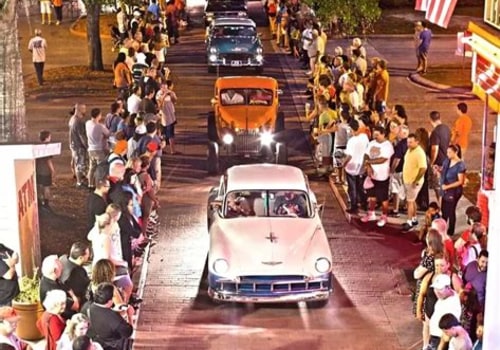
Safety at classic car shows is not just a regulatory requirement; it is a fundamental aspect that ensures the well-being of participants and attendees alike.With the gathering of vintage vehicles, enthusiasts, and families, the potential for accidents or incidents increases, making safety precautions essential.One of the primary reasons for implementing safety measures at classic car shows is the presence of large crowds. These events often attract thousands of visitors, which can lead to crowded spaces where accidents may occur. To mitigate this risk, organizers typically establish clear pathways and designated areas for vehicles and pedestrians. This helps in managing foot traffic and reducing the likelihood of collisions.Additionally, many classic car shows feature vehicles that are not equipped with modern safety features.
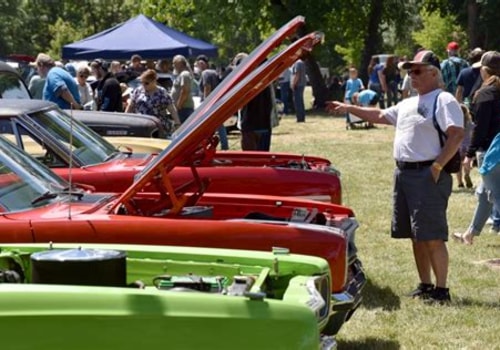
This can pose risks not only to the cars themselves but also to those who admire them. For instance, hot engines or exposed components can lead to burns or injuries if proper barriers are not in place. Organizers often implement safety barriers around display areas and ensure that all vehicles are parked securely to prevent any rolling or tipping.
- Fire Safety: Fire extinguishers are typically stationed throughout the venue, especially near food vendors and fuel sources.
- First Aid Stations: Many events provide first aid stations staffed with trained personnel to address any medical emergencies that may arise.
- Insurance Requirements: Participants may be required to have insurance coverage for their vehicles, ensuring that any damages or liabilities are managed effectively.
By educating everyone involved about safety practices, organizers foster a culture of awareness and preparedness.In conclusion, the importance of safety at classic car shows cannot be overstated. From crowd management to vehicle handling, every precaution taken contributes to a secure environment where enthusiasts can enjoy their passion without unnecessary risks.
Common Safety Precautions Implemented at Classic Car Shows
When attending classic car shows, safety is a top priority for organizers and participants alike. Various safety precautions are implemented to ensure a secure environment for both the vehicles on display and the attendees. Here are some common measures taken:- Crowd Control: Organizers often employ trained staff to manage the flow of visitors.
This includes setting up designated pathways to prevent overcrowding around popular exhibits, ensuring that everyone can enjoy the cars without feeling cramped.
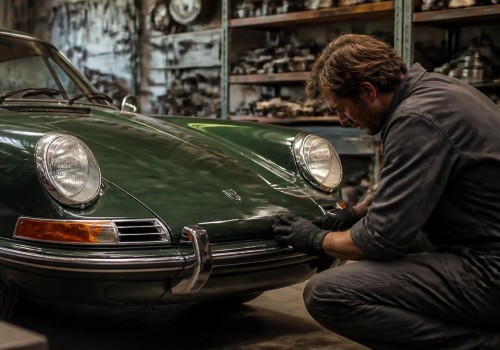
- Vehicle Inspections: Before any vehicle is allowed on display, it typically undergoes a thorough inspection. This includes checking for leaks, ensuring that all parts are secure, and verifying that the vehicle meets safety standards. Such inspections help prevent accidents caused by mechanical failures.
- Emergency Protocols: Classic car shows usually have clear emergency protocols in place. This includes having first aid stations staffed with medical personnel, as well as clear signage indicating emergency exits and procedures.
In case of an incident, quick access to medical assistance can be crucial.
- Fire Safety Measures: Given the vintage nature of many classic cars, fire safety is paramount. Fire extinguishers are strategically placed throughout the venue, and staff are trained to handle potential fire hazards. Additionally, vehicles with fuel leaks or other risks may be removed from the show immediately.
- Insurance Requirements: Many events require participants to have liability insurance for their vehicles. This not only protects the owners but also provides peace of mind for attendees in case of accidents.
Vehicle Safety Inspections: Ensuring Roadworthiness
At classic car shows, ensuring the safety and roadworthiness of vehicles is a top priority.This is achieved through a comprehensive process of vehicle inspections that assess various aspects of each car. These inspections are crucial not only for the safety of the participants but also for the enjoyment of spectators who admire these vintage automobiles.
Roadworthy checks
typically include a thorough examination of critical components such as brakes, tires, lights, and steering systems. Inspectors look for signs of wear and tear that could compromise the vehicle's performance. For instance, they will check:- Brakes: Ensuring that both the front and rear brakes are functioning properly and have adequate pad thickness.
- Tires: Inspecting for proper tread depth and checking for any signs of damage or uneven wear.
- Lights: Verifying that all headlights, taillights, and turn signals are operational.
- Steering: Assessing the steering mechanism for any play or unusual noises that could indicate issues.
These standards may vary by event but generally include guidelines on modifications, emissions, and overall vehicle condition. For example, some shows may require that cars have modern safety features retrofitted to enhance their roadworthiness while maintaining their classic appeal.The inspection process not only helps in identifying potential hazards but also fosters a sense of community among car enthusiasts. Participants often share tips on maintaining their vehicles and ensuring they meet safety standards. This collaborative spirit enhances the overall experience at classic car shows, making them enjoyable and safe for everyone involved.
Crowd Management Strategies at Classic Car Shows
Managing crowds effectively at classic car shows is crucial for ensuring the safety of both attendees and vehicles.Organizers implement a variety of crowd management strategies to create a secure environment where enthusiasts can enjoy the event without the risk of accidents.
1.Designated Pathways and Barriers
- Organizers often establish clear pathways for foot traffic, ensuring that attendees can navigate the venue without obstructing vehicle displays.
- Physical barriers, such as ropes or cones, are used to delineate areas where spectators can safely observe the cars while keeping them at a safe distance.
2.Trained Staff and Volunteers
- Having trained staff and volunteers on-site is essential for effective event crowd control. They are responsible for monitoring crowd behavior and assisting attendees with any questions or concerns.
- These individuals are often equipped with communication devices to quickly report any issues that may arise, allowing for prompt responses to potential safety hazards.
3.Emergency Response Plans
- Every classic car show should have a well-defined emergency response plan in place. This includes protocols for medical emergencies, fire hazards, or severe weather conditions.
- Organizers typically coordinate with local emergency services to ensure that help is readily available if needed.
4.Crowd Flow Management
- To prevent bottlenecks and overcrowding in specific areas, organizers may use timed entry systems or staggered schedules for different activities throughout the day.
- This approach not only enhances the overall experience but also minimizes the risk of accidents caused by overcrowding.
Emergency Preparedness: What Happens in Case of an Incident?
At classic car shows, ensuring the safety of attendees and participants is a top priority.Organizers implement comprehensive emergency preparedness plans to address potential incidents effectively. These plans typically include several key components:
- First Aid Stations: Most classic car shows are equipped with designated first aid stations staffed by trained medical personnel. These stations are strategically located throughout the venue to ensure quick access in case of minor injuries or medical emergencies.
- Incident Response Plans: Organizers develop detailed incident response plans that outline procedures for various scenarios, including medical emergencies, severe weather, or fire outbreaks. These plans are communicated to all staff and volunteers to ensure a coordinated response.
- Evacuation Procedures: Clear evacuation routes and procedures are established and communicated to attendees.
Signage is placed throughout the venue to guide visitors in case of an emergency, ensuring a swift and orderly evacuation.
- Communication Systems: Effective communication is crucial during emergencies. Many classic car shows utilize two-way radios among staff and volunteers, along with public address systems to relay important information quickly.
FAQs About Safety at Classic Car Shows
Attending classic car shows can be an exhilarating experience, but safety is a top priority for organizers and attendees alike. Here are some frequently asked questions regarding safety measures at these events:What safety measures are typically in place at classic car shows?
Most classic car shows implement a variety of safety protocols, including:- Traffic Control: Designated areas for vehicle display and spectator movement help prevent accidents.
- Emergency Services: Many shows have first aid stations and emergency personnel on-site to address any medical issues.
- Fire Safety: Fire extinguishers are often strategically placed, especially near fuel sources.
- Security Personnel: Trained security staff monitor the event to ensure the safety of both vehicles and attendees.
Are there any specific rules for participants with classic cars?
Yes, participants are usually required to adhere to certain guidelines, such as:- No Revving Engines: To minimize noise and potential accidents, revving engines is typically prohibited.
- Display Area Restrictions: Cars must remain within designated areas to ensure safe pedestrian access.
- Insurance Requirements: Participants may need to provide proof of insurance for their vehicles.
What should attendees do to stay safe at classic car shows?
Attendees can take several steps to enhance their safety, including:- Stay Aware: Keep an eye on your surroundings and be mindful of moving vehicles.
- Follow Signage: Adhere to posted signs and instructions from event staff.
- Keep Children Close: Ensure that children are supervised at all times, especially near vehicles.
Conclusion: The Importance of Safety in Enjoying Classic Car Shows
In conclusion, the significance of safety precautions at classic car shows cannot be overstated.These events not only celebrate the beauty and history of vintage automobiles but also bring together enthusiasts and families in a communal atmosphere. However, ensuring a safe environment is paramount to enhance the overall experience.Throughout this article, we have explored various safety measures that organizers implement to protect both participants and attendees. From traffic management to fire safety protocols, each precaution plays a crucial role in minimizing risks. For instance, designated areas for vehicle display and spectator zones help prevent accidents, while trained personnel on-site can swiftly address any emergencies.
Key Takeaways
- Pre-event planning: Organizers must conduct thorough risk assessments to identify potential hazards.
- Emergency preparedness: Having first aid stations and clear evacuation routes ensures quick responses to incidents.
- Public awareness: Informing attendees about safety guidelines fosters a culture of responsibility and vigilance.
By adhering to established protocols and remaining aware of their surroundings, everyone can enjoy the rich heritage of classic cars while minimizing risks. As we look forward to future events, let us remember that a safe environment enhances not only our enjoyment but also the preservation of these magnificent vehicles for generations to come.