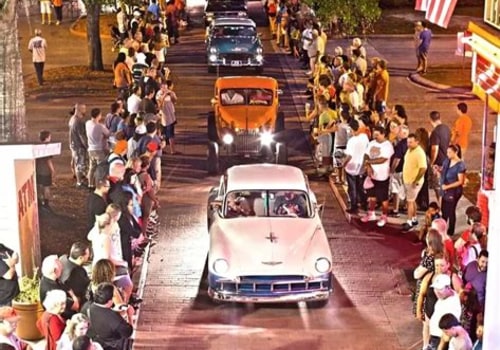
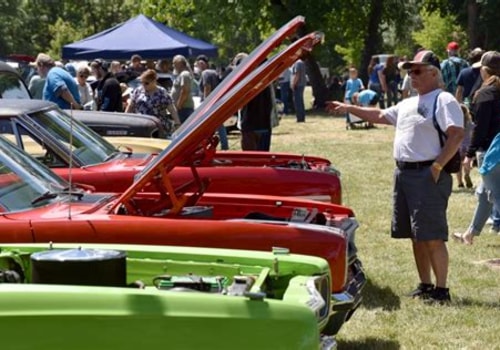
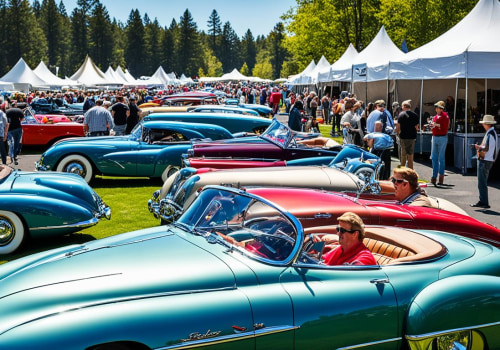
Classic car shows are more than just gatherings of vintage automobiles; they are vibrant celebrations of history, craftsmanship, and community spirit. These events attract car enthusiasts and casual observers alike, creating a unique atmosphere where nostalgia reigns supreme. As attendees stroll through rows of meticulously restored vehicles, they are often transported back in time, reminiscing about the golden age of automotive design and engineering. The passion for classic cars ignites conversations among strangers, fostering connections that might not have occurred otherwise.The benefits of classic car shows extend far beyond the love of automobiles.
They serve as a platform for local businesses to showcase their products and services, driving economic growth within the community. Food vendors, merchandise sellers, and local artisans often set up booths at these events, providing them with valuable exposure and opportunities to engage with potential customers. Additionally, many classic car shows partner with charities, using the event as a means to raise funds for important causes, further enhancing their positive impact on the community.Moreover, classic car shows often bring together diverse groups of people, uniting them through a shared appreciation for automotive history. This sense of camaraderie can strengthen community bonds and promote a culture of inclusivity.
As families attend these events together, they create lasting memories while also instilling a sense of pride in their local heritage. In essence, classic car shows are not just about the cars; they are about celebrating community identity and fostering connections that enrich the lives of all involved.
Economic Benefits of Classic Car Shows
Classic car shows serve as a significant catalyst for local economies, providing a range of economic benefits that extend beyond the event itself. These gatherings attract car enthusiasts and spectators from various regions, leading to increased tourism in the host community.When classic car shows take place, they often draw large crowds, which translates into higher foot traffic for local businesses. Restaurants, hotels, and shops experience a surge in customers, resulting in increased sales and revenue.For instance, a well-attended classic car show can lead to:
- Increased Restaurant Sales: Attendees often dine at local eateries before or after the event, boosting the food and beverage sector.
- Hotel Bookings: Visitors traveling from out of town require accommodations, leading to higher occupancy rates in local hotels and motels.
- Retail Sales: Local shops benefit from increased foot traffic, with many attendees purchasing souvenirs or automotive-related merchandise.
As towns gain recognition for hosting successful car shows, they may attract other types of events, further stimulating the local economy.In summary, classic car shows are more than just a gathering of vintage vehicles; they are vital economic engines that support local businesses, create jobs, and promote tourism. By investing in these events, communities can reap substantial financial rewards while celebrating their automotive heritage.
Community Engagement and Social Interaction
Classic car shows serve as a vibrant platform for community engagement, bringing together individuals from diverse backgrounds who share a common passion for automobiles. These events create an inviting atmosphere where attendees can connect, share stories, and celebrate their love for classic cars.One of the most significant social benefits of classic car shows is the opportunity for local residents to interact with one another. As people gather to admire vintage vehicles, they often strike up conversations, forming new friendships and strengthening existing ones.This sense of camaraderie fosters a spirit of community that extends beyond the event itself.
- Networking Opportunities: Classic car shows often attract enthusiasts, collectors, and industry professionals, providing a unique chance for networking. Participants can exchange ideas, seek advice on restoration projects, or even collaborate on future events.
- Family-Friendly Environment: Many classic car shows are designed to be family-friendly, featuring activities for all ages. This inclusivity encourages families to attend together, promoting intergenerational bonding and shared experiences.
- Local Business Support: These events often involve local vendors and businesses, creating a symbiotic relationship that benefits the community economically. Attendees may shop at local booths or dine at nearby restaurants, further enhancing community ties.
This not only raises funds for important initiatives but also unites attendees around a common goal of giving back to their community.In conclusion, classic car shows are more than just exhibitions of vintage vehicles; they are vital community events that promote social interaction, foster relationships, and support local economies. By participating in these gatherings, individuals contribute to a stronger, more connected community.
Preservation of Automotive History and Culture
Classic car shows play a crucial role in the preservation of automotive history and culture, serving as vibrant gatherings where enthusiasts and the general public can appreciate the craftsmanship and innovation of vintage vehicles. These events not only showcase stunning automobiles but also act as a living museum, allowing attendees to experience firsthand the evolution of automotive design and technology.One of the primary benefits of classic car shows is their ability to educate attendees about the cultural significance of classic cars. Each vehicle tells a story, reflecting the era it was built in, the societal trends of that time, and the technological advancements that shaped the automotive industry.For instance, a 1960s muscle car not only represents raw power but also embodies the spirit of freedom and rebellion that characterized American culture during that decade.Moreover, many classic car shows feature educational seminars and workshops led by experts in automotive history. These sessions provide valuable insights into topics such as:
- The restoration process of vintage vehicles, highlighting techniques that preserve their authenticity.
- The impact of classic cars on modern automotive design and engineering.
- The role of classic cars in shaping community identity and pride.
Charitable Contributions and Fundraising Opportunities
Classic car shows are not just a feast for automobile enthusiasts; they also serve as vital platforms for charitable contributions and community support.Many of these events are organized with a dual purpose: to celebrate vintage vehicles and to raise funds for local charities. This unique blend of passion and philanthropy creates a positive impact that resonates throughout the community.One of the most significant ways classic car shows contribute to charity is through fundraising opportunities. Organizers often partner with local non-profits, schools, and health organizations to create a fundraising framework. For instance, a portion of the registration fees from car owners may be donated directly to a chosen charity.
Additionally, many shows feature raffles, auctions, and merchandise sales, with proceeds going to support local causes.
- Community Engagement: These events foster community spirit by bringing together car enthusiasts and families, creating an atmosphere of camaraderie and support.
- Awareness Raising: Classic car shows often highlight specific causes, raising awareness about issues such as health care, education, or environmental conservation.
- Volunteer Opportunities: Local residents can get involved by volunteering at these events, further strengthening community ties.
Environmental Awareness and Sustainability Initiatives
Classic car shows are not just a celebration of automotive history; they also serve as platforms for promoting environmental awareness and implementing sustainability initiatives.As the automotive industry evolves, many classic car enthusiasts are becoming increasingly conscious of their environmental impact and are taking steps to mitigate it.One of the primary ways classic car shows contribute to environmental awareness is by showcasing eco-friendly practices. Organizers often implement measures such as:
- Waste Reduction: Many events encourage recycling and composting, reducing the amount of waste that ends up in landfills.
- Alternative Fuels: Some shows feature classic cars that run on alternative fuels, such as biodiesel or electricity, highlighting the potential for older vehicles to adapt to modern sustainability standards.
- Educational Workshops: Many events include workshops or seminars focused on sustainable practices in car restoration and maintenance, teaching attendees how to reduce their carbon footprint while enjoying their passion.
For instance, they may track the carbon footprint of the event and strive to offset it through tree planting or other green projects. This proactive approach not only enhances the reputation of the show but also sets a precedent for future events.In conclusion, classic car shows are evolving beyond mere exhibitions of vintage vehicles. They are becoming vital community events that promote environmental consciousness and encourage sustainable practices. By embracing these initiatives, classic car shows can play a significant role in fostering a greener future while celebrating automotive heritage.
FAQs About Classic Car Shows and Their Community Benefits
Classic car shows are not just a gathering of vintage automobiles; they serve as a vital component of community engagement and development.Here are some frequently asked questions that delve into the benefits these events bring to local communities.
What are the primary benefits of classic car shows for the community?
Classic car shows foster community spirit by bringing together enthusiasts, families, and local businesses. They often:- Boost local economy: Car shows attract visitors who spend money at local restaurants, hotels, and shops.
- Encourage community bonding: These events create a sense of belonging among participants and attendees, strengthening community ties.
- Support charitable causes: Many classic car shows raise funds for local charities, contributing to social welfare.
How do classic car shows promote local businesses?
Local businesses benefit significantly from classic car shows through increased foot traffic and visibility. Vendors often set up booths at these events, allowing them to showcase their products and services directly to potential customers. This exposure can lead to long-term customer relationships and increased sales.Are classic car shows environmentally friendly?
While classic cars are often associated with higher emissions, many shows promote sustainability by encouraging the use of eco-friendly practices.Some events feature electric or hybrid vehicles, showcasing advancements in automotive technology while educating attendees about environmental responsibility.
What role do volunteers play in classic car shows?
Volunteers are the backbone of successful classic car shows. They help with event organization, setup, and management, ensuring everything runs smoothly. This involvement not only enhances the event experience but also fosters a sense of community pride and ownership.In summary, classic car shows offer numerous benefits that extend beyond the love of vintage vehicles. They enhance local economies, strengthen community bonds, support charitable initiatives, and promote sustainable practices—all while providing a fun and engaging experience for attendees.Conclusion: The Lasting Impact of Classic Car Shows on Communities
In conclusion, classic car shows serve as more than just a gathering of automobile enthusiasts; they are vital events that foster community spirit and economic growth.Throughout this article, we have explored various ways in which these shows positively impact local communities. Firstly, classic car shows promote local businesses by attracting visitors who spend money on food, lodging, and shopping. This influx of visitors can significantly boost the local economy, providing a much-needed financial lift to small businesses. Secondly, these events create a sense of camaraderie among participants and attendees. Car enthusiasts often share stories and experiences, fostering friendships that extend beyond the event itself. This social interaction strengthens community bonds and encourages collaboration among residents. Moreover, classic car shows often support charitable causes, with many events donating proceeds to local charities or community projects.
This philanthropic aspect not only raises funds but also raises awareness for important issues within the community. Lastly, classic car shows serve as a platform for education and preservation of automotive history. By showcasing vintage vehicles, these events educate attendees about the craftsmanship and engineering of the past, inspiring future generations to appreciate and preserve automotive heritage. In summary, the lasting impact of classic car shows on communities is profound. They enhance local economies, foster social connections, support charitable initiatives, and promote education about automotive history. As such, these events should be celebrated and supported as integral components of community life.