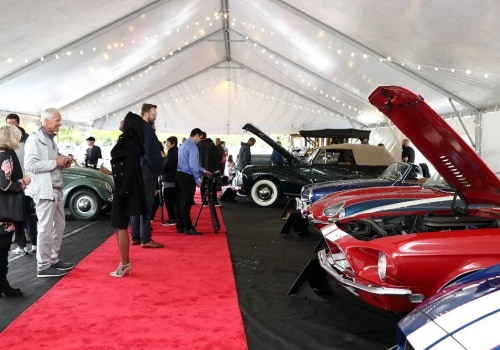
Classic car shows are more than just gatherings of vintage automobiles; they are vibrant celebrations of automotive history and culture. These events attract enthusiasts from all walks of life, showcasing a diverse array of vehicles that tell stories of innovation, craftsmanship, and nostalgia. From the gleaming chrome of 1950s muscle cars to the elegant lines of pre-war classics, each car represents a unique chapter in the evolution of the automobile.
Classic car shows
serve as a platform for collectors and admirers to connect, share their passion, and appreciate the artistry behind these timeless machines. The significance of classic car events extends beyond mere aesthetics.They foster a sense of community among participants and spectators alike, creating an atmosphere where knowledge and enthusiasm can be exchanged freely. Car show culture thrives on camaraderie, with enthusiasts often forming lifelong friendships through their shared interests. These events also provide an opportunity for restoration experts to showcase their skills, as many vehicles on display have undergone extensive refurbishments to return them to their former glory. As we delve deeper into the world of classic car shows, it becomes essential to understand how winners are determined in this competitive yet friendly environment. Judging criteria can vary widely, encompassing aspects such as originality, restoration quality, and overall presentation.
By exploring these factors, we can gain insight into what makes a classic car not just a vehicle but a celebrated piece of history.
Categories of Classic Cars in Shows
Classic car shows feature a diverse array of vehicles, each categorized based on specific criteria that reflect their history, design, and performance. Understanding these categories of classic cars is essential for both participants and spectators, as it helps in appreciating the unique qualities of each vehicle.- Vintage Cars: This category typically includes vehicles manufactured before 1930. Vintage cars are celebrated for their historical significance and craftsmanship. They often showcase the early innovations in automotive design.
- Antique Cars: Similar to vintage cars, antique cars are usually defined as those built before 1945. These vehicles often represent a bygone era and are valued for their rarity and condition.
- Muscle Cars: Popularized in the 1960s and 1970s, muscle cars are known for their powerful engines and aggressive styling.
This category includes iconic models like the Ford Mustang and Chevrolet Camaro, which are often judged on performance as well as aesthetics.
- Restorations: This category focuses on cars that have been meticulously restored to their original condition. Judges look for authenticity in parts and finishes, making this a highly competitive category.
- Modified Cars: Unlike restorations, modified cars have been altered from their original state to enhance performance or aesthetics. This category allows for creativity and innovation, with judges assessing the quality of modifications.
- Specialty Vehicles: This broad category can include anything from custom builds to rare finds that don’t fit neatly into other classifications. Specialty vehicles often attract attention due to their uniqueness.
Judges evaluate vehicles based on criteria such as originality, condition, and presentation. By understanding these categories, attendees can better appreciate the craftsmanship and history behind each classic car on display.
Judging Criteria for Classic Car Shows
When it comes to classic car shows, understanding the judging criteria is essential for participants aiming for top honors. Judges evaluate vehicles based on several key factors that reflect both the car's historical significance and its current condition.- Originality: One of the primary criteria is originality. Judges look for cars that maintain their factory specifications, including original parts, paint, and interior.
Modifications can detract from a car's score unless they are period-correct enhancements.
- Condition: The overall condition of the vehicle plays a crucial role in the evaluation process. This includes assessing the bodywork, engine, and interior. A well-preserved classic with minimal wear and tear will score higher than one that shows signs of neglect.
- Presentation: How a car is presented at a show can significantly impact its score. This includes cleanliness, organization of display materials, and the overall aesthetic appeal.
A polished and well-maintained vehicle often captures the judges' attention more effectively.
- Historical Significance: Judges may also consider the historical context of the vehicle. Cars with unique stories, rare models, or significant provenance can earn additional points during evaluation.
- Documentation: Providing thorough documentation, such as restoration records or ownership history, can enhance a car's credibility and appeal to judges.
The Role of Judges at Classic Car Shows
At classic car shows, the judging panel plays a crucial role in determining the winners. These judges are typically selected based on their extensive knowledge and experience in the automotive field, ensuring that each vehicle is evaluated fairly and accurately.Responsibilities of Car Show Judges
- Evaluation Criteria: Judges assess vehicles based on various criteria, including originality, condition, and craftsmanship.
They look for details such as paint quality, interior finishes, and engine performance.
- Consistency: A good judging panel maintains consistency in their evaluations. They often use standardized scoring sheets to ensure that all cars are judged against the same benchmarks.
- Feedback: Judges provide constructive feedback to participants, which can be invaluable for car owners looking to improve their vehicles for future shows.
Qualifications of Judges
The qualifications of judges at classic car shows can vary, but they often include:
- Automotive Expertise: Many judges are former automotive professionals, restorers, or enthusiasts with years of experience in the classic car community.
- Specialized Knowledge: Some judges may specialize in specific makes or models, allowing them to provide detailed insights into the authenticity and historical significance of each vehicle.
- Judging Experience: Previous experience judging at other car shows can also be a significant factor in a judge's selection.
Common Awards and Recognition at Classic Car Shows
Classic car shows are not just a feast for the eyes; they also celebrate the passion and dedication of car enthusiasts through various awards and recognitions.Understanding the types of awards available can help participants tailor their entries to meet specific criteria and increase their chances of winning.
- Best in Show: This prestigious award is often considered the pinnacle of recognition at classic car shows. It is typically awarded to the vehicle that stands out in terms of overall presentation, historical significance, and craftsmanship.
- People’s Choice: Voted on by attendees, this award reflects the favorite vehicle among the general public. It emphasizes the importance of community engagement and allows spectators to have a say in the recognition process.
- Best Restoration: This award honors vehicles that have undergone significant restoration work. Judges look for quality craftsmanship, attention to detail, and authenticity in restoring the car to its original condition.
- Best Original: This category celebrates vehicles that remain as close to their factory condition as possible.
Judges assess originality in parts, paint, and overall appearance.
- Best Custom: For those who have modified their classic cars, this award recognizes creativity and innovation in design. Custom vehicles are judged on their uniqueness and execution of modifications.
- Class Awards: Many shows categorize vehicles by make, model, or era, offering awards within these classifications. This allows for a broader range of winners and encourages participation from various segments of classic car enthusiasts.
Whether aiming for a coveted trophy or simply seeking recognition from fellow enthusiasts, knowing what judges look for can enhance the overall experience at these events.
Tips for Preparing Your Classic Car for a Show
Preparing your classic car for a show is crucial to ensure it stands out among the competition. Here are some essential car show preparation tips to help you maximize your chances of winning.- Thorough Cleaning: Start with a detailed wash and wax. Pay special attention to the undercarriage and wheel wells, as judges often look for cleanliness in these areas. Use a clay bar to remove any embedded contaminants from the paint.
- Interior Detailing: Clean the interior meticulously.
Vacuum carpets, wipe down surfaces, and condition leather seats. Ensure that all gauges and controls are functioning properly, as this reflects on your car's overall maintenance.
- Engine Bay Maintenance: A clean engine bay can impress judges. Use a degreaser to clean the engine components and dress any plastic or rubber parts with a protectant. Make sure all fluids are topped off and there are no leaks.
- Check for Authenticity: If your classic car has original parts, ensure they are in good condition and properly displayed.
Judges appreciate authenticity, so highlight any unique features that set your vehicle apart.
- Documentation: Prepare a binder with documentation of your car’s history, restoration process, and any awards it has previously won. This can provide context for judges and enhance your car's story.
Frequently Asked Questions About Classic Car Shows
Classic car shows are a celebration of automotive history, and many enthusiasts have questions about how winners are determined.Here are some frequently asked questions regarding classic car shows and the judging process.
What criteria are used to judge classic cars?
Judging at classic car shows typically involves several key criteria, including:- Condition: Judges assess the overall condition of the vehicle, including its exterior, interior, and mechanical components.
- Authenticity: Cars are often judged on how closely they adhere to their original specifications, including factory paint colors and parts.
- Restoration Quality: For restored vehicles, the quality of the restoration work is critical. This includes attention to detail and craftsmanship.
- Presentation: The way a car is presented can influence its score. Cleanliness and organization of display materials matter.
How are judges selected for classic car shows?
Judges at classic car shows are usually experienced automotive enthusiasts or professionals with a deep understanding of classic cars. They may include:- Automotive historians who specialize in specific makes or models.
- Restoration experts who can evaluate the quality of restoration work.
- Industry professionals, such as mechanics or appraisers, who bring technical knowledge to the judging process.
Are there different classes for judging?
Yes, most classic car shows categorize vehicles into different classes based on factors like make, model, year, and level of restoration.This allows for fair competition among similar vehicles. Common classes include:
- Original unrestored
- Restored to original
- Modified
- Specialty vehicles, such as muscle cars or vintage trucks.
Conclusion: The Journey of Classic Car Shows and Their Winners
In conclusion, the journey of classic car shows is as much about the passion for automotive history as it is about the competition. Understanding how winners are determined is crucial for participants aiming to showcase their vehicles effectively. Throughout this article, we have explored the various factors that contribute to the judging process, emphasizing the importance of preparation and adherence to established criteria.To recap, here are the key elements that influence the determination of winners at classic car shows:- Judging Criteria: Each show has specific guidelines that judges follow, including originality, condition, and presentation of the vehicle.
- Preparation: Participants must invest time in detailing their cars, ensuring they meet the standards set forth by the show.
- Engagement with Judges: Building rapport with judges can provide insights into what they value most in a classic car.
- Categories: Different categories may exist within a show, allowing for a broader range of vehicles to be recognized.
As participants prepare for future events, they should keep in mind that success is not solely measured by trophies but also by the connections made and the appreciation for automotive craftsmanship.Ultimately, whether you are a seasoned participant or a newcomer to the world of classic car shows, understanding these dynamics will enhance your experience and increase your chances of success. Embrace the journey, learn from each event, and continue to celebrate the rich heritage of classic cars.