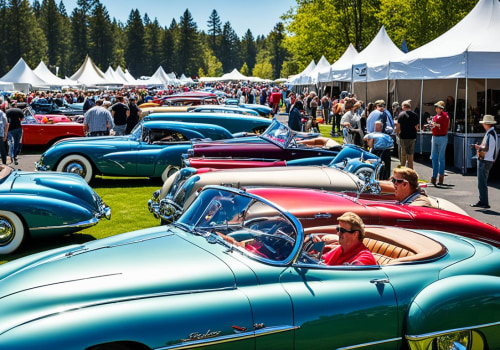
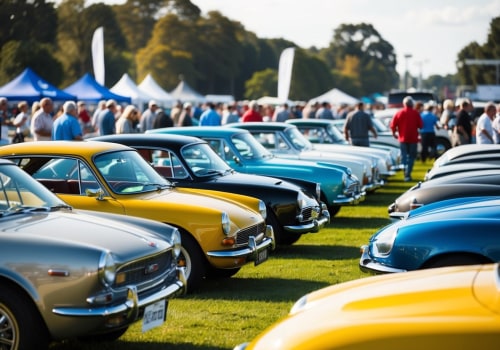
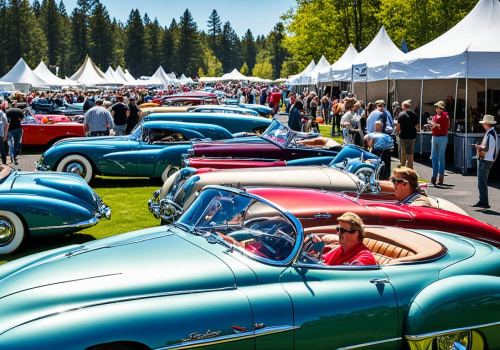
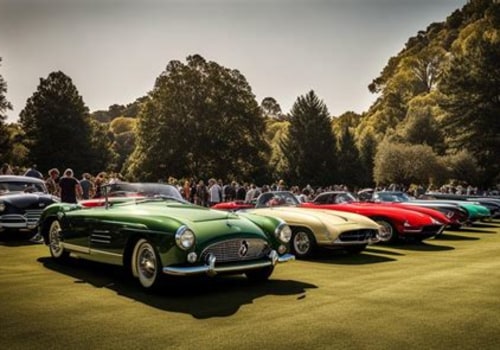
Classic car shows are vibrant gatherings that celebrate the beauty, history, and craftsmanship of vintage automobiles. These events serve as a platform for car enthusiasts to showcase their prized possessions, ranging from iconic muscle cars to elegant vintage models. But what exactly is the purpose of a classic car show? Beyond mere exhibition, these shows foster a sense of community among collectors, restorers, and admirers alike. At their core, classic car shows aim to preserve automotive heritage while educating the public about the significance of these vehicles. Attendees have the opportunity to learn about the intricate details that define each model, from engine specifications to design philosophies.
This exchange of knowledge not only enhances appreciation for classic cars but also encourages future generations to value and maintain this rich automotive history. Moreover, classic car shows often feature competitions where vehicles are judged based on criteria such as originality, restoration quality, and overall presentation. These contests not only recognize the hard work of owners but also inspire others to invest time and effort into their own restorations. In essence, classic car shows are more than just a display of automobiles; they are a celebration of passion, craftsmanship, and community spirit.
The Cultural Importance of Classic Car Shows
Classic car shows are more than just gatherings of vintage automobiles; they are vibrant cultural events that foster community spirit and celebrate the rich history of automotive design and engineering. These shows serve as a platform for enthusiasts to share their passion, knowledge, and appreciation for classic cars, which often represent significant milestones in automotive history.One of the primary purposes of classic car shows is to bring communities together.Families, friends, and car aficionados gather to admire beautifully restored vehicles, exchange stories, and connect over shared interests. This sense of community is vital, as it creates a welcoming environment where people from diverse backgrounds can bond over their love for classic cars.Moreover, classic car shows often highlight the cultural significance of the vehicles on display. Each car tells a story, reflecting the era it was built in and the technological advancements of its time. For instance, a 1960s muscle car may evoke nostalgia for a generation that experienced the thrill of American automotive innovation.
By showcasing these vehicles, classic car shows help preserve the heritage and history of the automotive industry.
- Community Engagement: Local businesses often participate in these events, providing food, merchandise, and entertainment, which further strengthens community ties.
- Educational Opportunities: Many shows include workshops or presentations that educate attendees about car restoration techniques and the historical context of various models.
- Charitable Causes: Numerous classic car shows support local charities, using proceeds from entry fees or raffles to benefit community projects.
Economic Impact of Classic Car Shows
Classic car shows serve as a significant catalyst for economic growth in local communities. These events attract car enthusiasts, collectors, and families, leading to increased foot traffic and spending in the area. The influx of visitors not only benefits the show organizers but also has a ripple effect on various sectors of the local economy.Local Businesses Thrive
- Restaurants and Cafés: With thousands of attendees flocking to classic car shows, local eateries often see a surge in customers.
Many visitors choose to dine out before or after the event, boosting sales for nearby restaurants and cafés.
- Hotels and Lodging: For those traveling from afar, nearby hotels experience increased bookings. This demand can lead to higher occupancy rates and even prompt hotels to offer special packages for car show attendees.
- Retail Shops: Local shops benefit from the increased foot traffic as visitors often explore the area, purchasing souvenirs, automotive parts, or memorabilia related to classic cars.
Tourism Boost
The allure of classic cars extends beyond just the enthusiasts; it draws tourists who may not have otherwise visited the area. Many classic car shows are held in picturesque locations or during peak tourist seasons, making them an attractive addition to local tourism calendars. This can lead to:
- Extended Stays: Tourists may extend their visits to enjoy other local attractions, contributing further to the economy.
- Increased Visibility: Classic car shows often receive media coverage, which can enhance the visibility of the host city or town, attracting future visitors.
By fostering community engagement and attracting visitors, these events create a vibrant atmosphere that benefits everyone involved.
Classic Car Shows as a Platform for Education
Classic car shows serve as a vital educational platform for enthusiasts and the general public alike. These events are not just about showcasing stunning vehicles; they provide a unique opportunity to delve into the rich history of automotive design and engineering. Attendees can learn about the evolution of classic cars, from their inception to their impact on modern vehicles.One of the most significant aspects of classic car shows is the chance to engage with knowledgeable owners and restorers. Many participants are passionate about their vehicles and are eager to share insights on restoration techniques, maintenance tips, and the stories behind their cars.This interaction fosters a deeper appreciation for the craftsmanship involved in classic car restoration.
Workshops and Demonstrations
Many classic car shows feature workshops and live demonstrations that cover various topics related to classic cars. These sessions may include:- Restoration Techniques: Learn about the step-by-step process of restoring a classic vehicle, including bodywork, painting, and mechanical repairs.
- Preservation Methods: Discover how to maintain the integrity of vintage cars, including proper storage, cleaning, and care practices.
- Historical Context: Gain insights into the cultural significance of certain models and how they reflect the era in which they were produced.
Networking Opportunities at Classic Car Shows
Classic car shows serve as vibrant hubs for networking, bringing together a diverse group of individuals who share a passion for vintage automobiles.These events are not just about showcasing stunning vehicles; they are also about fostering connections among enthusiasts, collectors, and industry professionals.One of the primary benefits of attending a classic car show is the opportunity to connect with fellow enthusiasts. Whether you are a seasoned collector or a newcomer to the classic car community, these shows provide a welcoming environment to meet like-minded individuals. Engaging in conversations about restoration techniques, favorite models, or upcoming events can lead to lasting friendships and valuable partnerships.
- Building Relationships: Classic car shows often feature clubs and organizations that cater to specific makes or models. Joining these groups can enhance your network and provide access to exclusive resources.
- Sharing Knowledge: Many attendees are eager to share their expertise.
From restoration tips to maintenance advice, the wealth of knowledge available at these events is invaluable.
- Industry Connections: For those in the automotive industry, classic car shows present an excellent opportunity to connect with potential clients, suppliers, and collaborators. Networking with other professionals can lead to new business opportunities and partnerships.
By attending these events, you can forge meaningful connections that enrich your experience as a car enthusiast and open doors to new opportunities in the automotive world.
The Role of Classic Car Shows in Preservation Efforts
Classic car shows play a pivotal role in the preservation of classic cars and the rich history they represent. These events serve as a gathering point for enthusiasts, collectors, and the general public, fostering a community dedicated to the appreciation and maintenance of vintage vehicles.One of the primary functions of classic car shows is to raise awareness about the importance of conservation efforts. By showcasing meticulously restored and maintained vehicles, these shows highlight the craftsmanship and engineering that went into creating these automobiles. This not only educates attendees about the historical significance of each model but also inspires them to take part in preservation efforts.- Networking Opportunities: Classic car shows provide a platform for enthusiasts to connect with one another, share knowledge, and exchange tips on restoration techniques.
This networking fosters a culture of collaboration that is essential for preserving automotive history.
- Educational Workshops: Many shows incorporate workshops or seminars that focus on restoration techniques, maintenance tips, and the history of specific models. These educational components are crucial for passing down knowledge to new generations of car enthusiasts.
- Community Engagement: By involving local communities, classic car shows encourage participation from individuals who may not yet be aware of the importance of preserving vintage vehicles. This outreach can lead to increased interest in classic cars and motivate more people to engage in preservation activities.
By attending and supporting classic car shows, individuals contribute to a larger movement aimed at ensuring these stories are not lost to time.In conclusion, classic car shows are more than just exhibitions; they are vital events that promote the preservation and appreciation of automotive heritage. Through community engagement, education, and networking, these shows play an essential role in ensuring that future generations can enjoy and learn from these remarkable machines.
Frequently Asked Questions About Classic Car Shows
Classic car shows are vibrant events that attract enthusiasts from all walks of life. Here are some frequently asked questions about these shows that can help you understand what to expect:- What is a classic car show? A classic car show is an event where vintage and classic automobiles are displayed for the public to admire. These shows often feature a variety of makes and models, showcasing the beauty and craftsmanship of cars from different eras.
- What can I expect at a classic car show? Attendees can expect to see a wide range of classic cars, meet fellow car enthusiasts, and enjoy various activities such as live music, food vendors, and sometimes even contests for the best car.
Many shows also offer opportunities to learn about the history and restoration of classic vehicles.
- Are classic car shows family-friendly? Yes, most classic car shows are designed to be family-friendly. They often include activities for children, such as face painting or games, making it a great outing for families.
- Do I need to own a classic car to attend? No, you do not need to own a classic car to attend a show. These events are open to anyone who appreciates vintage automobiles, whether you’re a collector or just curious.
- How can I participate in a classic car show? If you own a classic car and want to participate, check the event's website for registration details. Most shows require participants to register in advance and may have specific criteria regarding the age and type of vehicles allowed.
Whether you're there to admire the cars or connect with other enthusiasts, these events offer something for everyone.
Conclusion: The Multifaceted Purpose of Classic Car Shows
In conclusion, classic car shows serve a multitude of purposes that extend beyond mere exhibition. They are vibrant gatherings that celebrate automotive history, foster community engagement, and promote the preservation of vintage vehicles.One of the primary purposes of these events is to showcase the beauty and craftsmanship of classic cars. Enthusiasts and collectors take pride in their vehicles, often investing significant time and resources into restoration. By displaying these cars at shows, owners not only share their passion but also educate attendees about the intricate details and stories behind each model.Moreover, classic car shows act as a platform for networking among enthusiasts, collectors, and industry professionals.These events create opportunities for individuals to connect, share knowledge, and even form friendships based on a shared love for classic automobiles. This sense of community is invaluable, as it fosters a supportive environment where newcomers can learn from seasoned veterans.Additionally, many classic car shows incorporate charitable elements, raising funds for various causes. Participants often contribute to local charities through entry fees or donations, making these events not only enjoyable but also impactful in their communities.Finally, attending a classic car show can be an immersive experience for families and individuals alike. It offers a chance to step back in time and appreciate the evolution of automotive design and technology.
The atmosphere is often filled with nostalgia, making it a perfect outing for those who cherish the golden age of motoring.In summary, the multifaceted purpose of classic car shows encompasses celebration, education, community building, charity support, and nostalgia. Whether you are a participant or an attendee, these events provide a unique opportunity to engage with history while enjoying the camaraderie of fellow car enthusiasts.