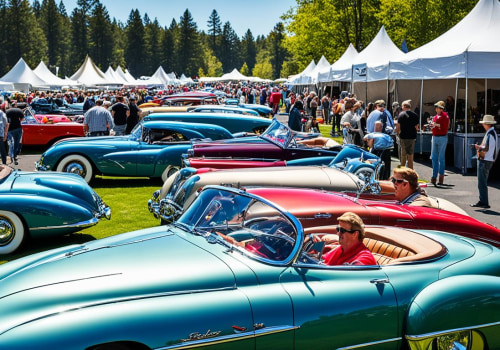
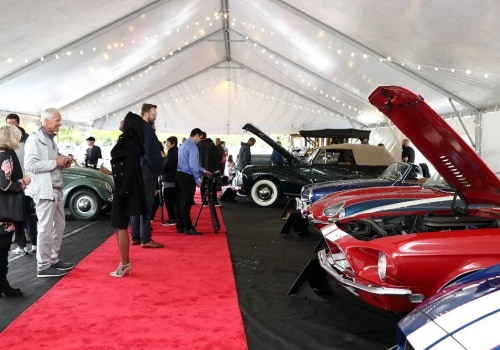
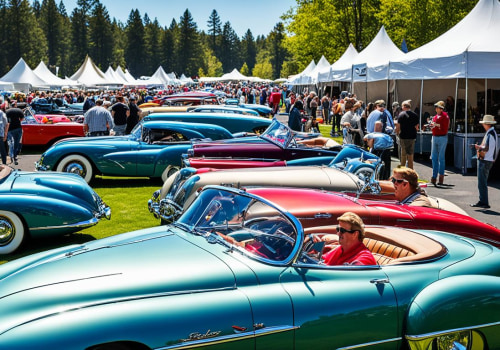
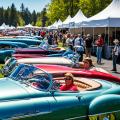
Classic car shows are vibrant gatherings that celebrate the beauty and engineering of vintage automobiles, often showcasing vehicles that are at least 25 years old. These events not only attract car enthusiasts but also serve as a cultural touchstone, reflecting the history and evolution of automotive design. From the sleek lines of 1950s American muscle cars to the elegant curves of European classics, classic car shows offer a unique opportunity for attendees to appreciate the craftsmanship and stories behind each vehicle. The history of classic car shows dates back several decades, with the first organized events emerging in the mid-20th century. Initially, these shows were informal meet-ups among collectors and enthusiasts, but they quickly evolved into larger exhibitions that drew significant public interest.
Today, classic car shows are held across the country, often featuring competitions, awards, and even live entertainment, making them a staple in automotive culture. As these events continue to grow in popularity, they also play an essential role in fostering community among car lovers. Attendees share their passion for automobiles while exchanging knowledge about restoration techniques and the historical significance of various models. This sense of camaraderie is what makes classic car shows not just exhibitions but celebrations of automotive heritage.
Importance of Accessibility at Events
Accessibility at events, including classic car shows, is not just a legal requirement; it is a fundamental aspect of creating an inclusive environment. Ensuring that all attendees, regardless of their physical abilities, can participate fully enhances the overall experience for everyone involved.Why Accessibility Matters
- Inclusivity: By accommodating individuals with disabilities, event organizers promote a culture of inclusivity.
This not only allows disabled attendees to enjoy the event but also fosters a sense of community among all participants.
- Broader Audience Reach: Making classic car shows accessible can significantly increase attendance. When barriers are removed, more people can engage with the event, leading to higher ticket sales and greater visibility for sponsors.
- Positive Reputation: Events that prioritize accessibility often gain a positive reputation. Attendees are more likely to share their experiences and recommend the event to others, enhancing word-of-mouth marketing.
- Legal Compliance: Many regions have laws mandating accessibility in public spaces. By adhering to these regulations, organizers avoid potential legal issues and demonstrate their commitment to social responsibility.
Features such as ramps, designated seating areas, and accessible restrooms not only assist those with disabilities but also enhance the experience for families with strollers or elderly attendees. In essence, when classic car shows prioritize accessibility, they create a welcoming atmosphere that encourages participation from all segments of the community.In conclusion, the importance of accessibility at events like classic car shows cannot be overstated. It is essential for fostering inclusivity, expanding audience reach, building a positive reputation, and ensuring compliance with legal standards. By embracing accessibility, organizers can create memorable experiences that resonate with all attendees.
Common Disabilities and Their Needs at Classic Car Shows
When planning classic car shows, it is essential to consider the diverse needs of attendees with various disabilities.Understanding these needs can significantly enhance their experience and ensure inclusivity.
Common Disabilities
- Mobility Impairments: Individuals with mobility challenges may require accessible pathways, ramps, and seating options. Wheelchair users, for instance, need wide aisles and designated viewing areas to enjoy the exhibits comfortably.
- Visual Impairments: Attendees with visual disabilities may benefit from tactile displays or audio descriptions of the vehicles. Providing braille signage and trained staff to assist can greatly enhance their experience.
- Hearing Impairments: For those who are deaf or hard of hearing, offering sign language interpreters during presentations or using assistive listening devices can make the event more accessible.
- Cognitive Disabilities: Individuals with cognitive challenges may require clear signage and simplified information. Staff trained in disability awareness can help guide them through the event.
Specific Needs of Disabled Attendees
To accommodate these disabilities effectively, organizers should consider the following:- Accessible Parking: Ensure that there are designated parking spaces close to the entrance for those with mobility impairments.
- Restroom Facilities: Accessible restrooms equipped with grab bars and enough space for wheelchair maneuverability are crucial.
- Seating Arrangements: Provide ample seating options throughout the venue, including areas where attendees can rest if needed.
- Staff Training: Train staff members on how to assist individuals with disabilities, ensuring they are aware of available resources and accommodations.
Types of Accommodations Available at Classic Car Shows
Classic car shows are designed to be inclusive, ensuring that all attendees, including those with disabilities, can enjoy the experience.Various accommodations are typically available to enhance accessibility and comfort for disabled attendees.
- Wheelchair Access: Most classic car shows provide wheelchair ramps and accessible pathways to ensure that individuals using wheelchairs can navigate the venue easily. These ramps are strategically placed at entrances and throughout the show area.
- Designated Seating: Many events offer designated seating areas for disabled attendees. These areas are often located near the main attractions, allowing for easy viewing of the classic cars without the need to navigate through crowded spaces.
- Assistance Services: Some classic car shows provide assistance services, such as volunteers or staff members who are trained to help attendees with mobility challenges. This may include offering rides on golf carts or providing personal assistance as needed.
- Accessible Restrooms: Accessible restroom facilities are a crucial aspect of any event.
Classic car shows typically feature ADA-compliant restrooms, ensuring that all attendees have access to clean and safe facilities.
- Parking Accommodations: Reserved parking spaces for disabled attendees are commonly available close to the entrance of the event. These spaces are clearly marked and designed to make access easier for those with mobility impairments.
Case Studies: Successful Accessibility Practices at Classic Car Shows
Accessibility at classic car shows is not just a legal requirement; it enhances the experience for all attendees. Here are some notable case studies that highlight successful accessibility practices:1.The Annual Classic Car Festival in Springfield
This event has set a benchmark for accessibility by implementing a range of features:- Wheelchair Ramps: All entry points are equipped with ramps, ensuring easy access for wheelchair users.
- Accessible Parking: Designated parking spaces are available close to the entrance, allowing for convenient access.
- Assistive Listening Devices: For presentations and announcements, the festival provides devices to assist those with hearing impairments.
2.The Classic Car Show in San Diego
This show has made significant strides in creating an inclusive environment:- Visual Aids: Information booths feature large print materials and braille options for visually impaired attendees.
- Sensory-Friendly Spaces: Quiet areas are designated for individuals who may become overwhelmed by the noise and crowds.
- Volunteer Training: Staff and volunteers receive training on how to assist attendees with various disabilities effectively.
3.The National Vintage Car Exhibition
This exhibition showcases how thoughtful planning can lead to a fully accessible event:- Interactive Displays: Many exhibits include tactile elements that allow visually impaired visitors to engage with the cars.
- Transportation Services: Shuttle services equipped with lifts are provided to transport attendees from parking areas to the main event.
- Feedback Mechanisms: Organizers actively seek feedback from disabled attendees to continuously improve accessibility features.
How to Plan an Accessible Classic Car Show
Planning an accessible classic car show requires thoughtful consideration to ensure that all attendees, including those with disabilities, can fully enjoy the event.Here are some practical tips to help you organize an inclusive experience:
- Choose an Accessible Venue: Select a location that is compliant with the Americans with Disabilities Act (ADA). Ensure there are accessible parking spaces, ramps, and restrooms.
- Provide Clear Signage: Use large, easy-to-read signs to guide attendees throughout the venue. Consider using symbols and braille for those with visual impairments.
- Plan for Mobility: Ensure that pathways between cars and displays are wide enough for wheelchairs and mobility devices. Consider providing seating areas for those who may need to rest.
- Offer Assistance: Have volunteers available to assist attendees with disabilities.
This could include helping them navigate the venue or providing information about the cars on display.
- Incorporate Sensory-Friendly Options: For individuals with sensory sensitivities, consider creating quiet zones away from loud noises and bright lights. This can help make the event more enjoyable for everyone.
- Gather Feedback: After the event, solicit feedback from attendees regarding accessibility. This will help you improve future shows and ensure that you are meeting the needs of all participants.
Frequently Asked Questions About Accessibility at Classic Car Shows
When it comes to classic car shows, accessibility is a crucial concern for many attendees.Here are some frequently asked questions regarding accommodations for disabled individuals at these events:
- Are classic car shows wheelchair accessible?
Most classic car shows strive to be wheelchair accessible. This includes accessible parking, pathways, and viewing areas. However, it’s always best to check with the specific event organizers for detailed information. - What types of accommodations are available for attendees with disabilities?
Accommodations can vary by event but often include: - Accessible restrooms
- Designated seating areas
- Assistance from staff or volunteers
- Transportation services within the venue
- Can I bring my service animal to a classic car show?
Yes, service animals are typically allowed at classic car shows. It’s advisable to inform the event organizers in advance to ensure compliance with their policies. - What should I do if I encounter accessibility issues at the event?
If you face any accessibility challenges during a classic car show, report them immediately to event staff.They are trained to assist and can help resolve issues on-site.
- Are there any special programs for disabled attendees?
Some classic car shows may offer special programs or early access for disabled attendees. Check the event’s website or contact organizers for specific details.
Conclusion: The Future of Accessibility in Classic Car Shows
As we look towards the future of classic car shows, it is essential to recognize the strides made in enhancing accessibility for disabled attendees. The discussions surrounding this topic have highlighted the need for ongoing commitment from event organizers, car clubs, and the automotive community at large.Accessibility is not merely a checkbox; it is a vital aspect that enriches the experience for all attendees. By implementing thoughtful accommodations, such as:- Wheelchair-accessible pathways and viewing areas
- Accessible restrooms and facilities
- Sign language interpreters for presentations and announcements
- Special parking arrangements for those with mobility challenges
- Assistive technologies to enhance the experience for visually impaired guests
The classic car community thrives on passion and shared interests, and ensuring that everyone can participate fully is crucial to its growth.Moreover, as awareness increases, so does the expectation for inclusive practices. Future classic car shows must prioritize accessibility not just as an afterthought but as a fundamental component of event planning. This shift will not only benefit disabled attendees but will also enhance the overall atmosphere, making it more welcoming and enjoyable for everyone.In conclusion, the future of accessibility in classic car shows hinges on our collective efforts to foster an environment where all enthusiasts can come together. By embracing these changes, we can ensure that the love for classic cars is shared by all, regardless of their physical abilities.