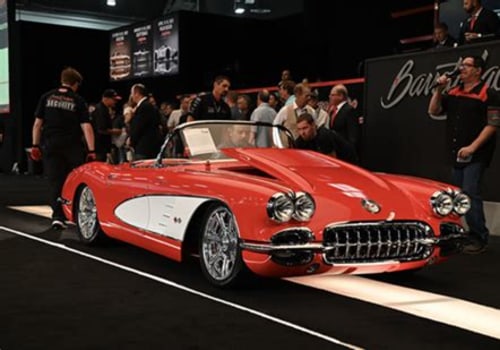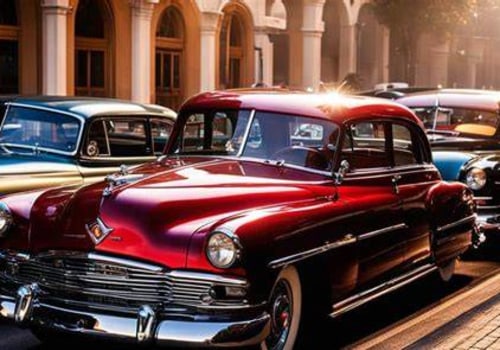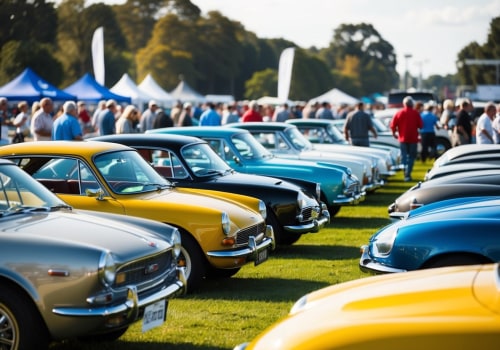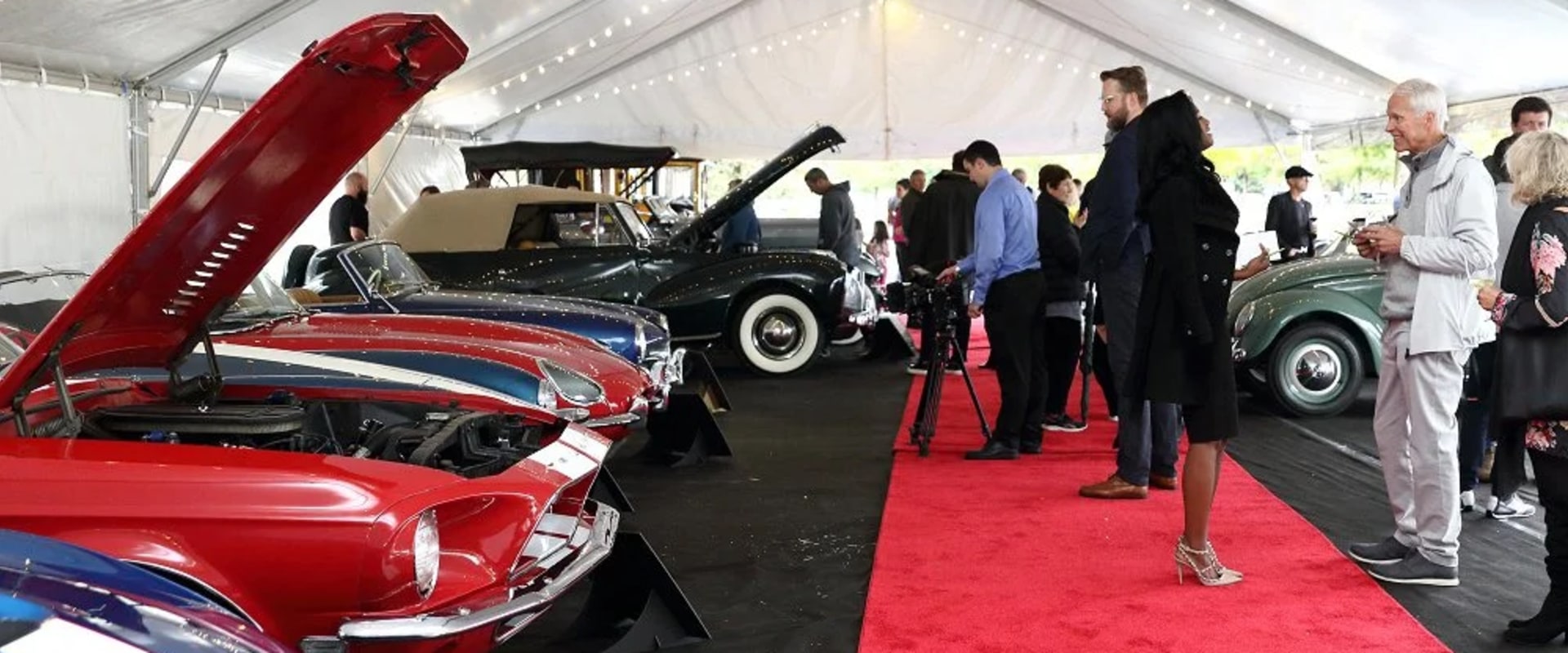
Classic car shows have become a vibrant part of automotive culture, drawing enthusiasts and families alike to celebrate the beauty and history of vintage vehicles. These events not only showcase stunning automobiles but also foster a sense of community among participants and spectators. As attendees stroll through rows of meticulously restored cars, they often find themselves immersed in stories of craftsmanship, nostalgia, and passion that transcend generations. Beyond their aesthetic appeal, many classic car shows incorporate charitable components, transforming these gatherings into platforms for giving back. Organizers frequently partner with local charities, using the event as a means to raise funds and awareness for various causes.
From supporting children's hospitals to funding educational programs, the impact of these car show charity events can be significant, demonstrating how a shared love for classic automobiles can unite people for a greater purpose. The blend of automotive enthusiasm and philanthropy not only enhances the experience for attendees but also amplifies the positive influence these events can have on their communities. As we delve deeper into the world of classic car shows, we will explore how these charitable initiatives are structured, the types of organizations they support, and the ways in which participants can contribute to making a difference while enjoying their passion for classic cars.
The History of Classic Car Shows
The origins of classic car shows can be traced back to the early 20th century, when automobile enthusiasts began gathering to showcase their prized vehicles. The first organized car show is believed to have taken place in 1900 at the Paris Exposition, where manufacturers displayed their latest models. However, it wasn't until the 1950s and 1960s that classic car shows began to gain significant popularity in the United States.During this era, the post-war economic boom led to a surge in car ownership and a growing interest in vintage automobiles.Car clubs started forming, and members would host informal gatherings to share their passion for classic cars. These events often included competitions for best restoration, which laid the groundwork for more formalized shows.
The Evolution of Classic Car Events
By the 1970s, classic car shows had evolved into larger events, attracting not only car owners but also spectators and vendors. The introduction of awards and trophies for various categories encouraged more participants to showcase their vehicles. Notable events like the Pebble Beach Concours d'Elegance, established in 1950, became prestigious platforms for classic car enthusiasts.As the years progressed, classic car shows began incorporating various themes and categories, from muscle cars to vintage European models.This diversification helped broaden their appeal and attract a wider audience. Additionally, many shows started partnering with local charities, using their platform to raise funds for various causes.
- 1950s-1960s: Rise of informal gatherings among car enthusiasts.
- 1970s: Formalization of events with awards and competitions.
- 1980s-1990s: Expansion of themes and categories; increased charity involvement.
- 2000s-Present: Growth of online communities and social media presence enhancing event promotion.
Charitable Components in Classic Car Shows
Classic car shows are not just a feast for automobile enthusiasts; they often serve as platforms for charitable initiatives. Many organizers recognize the potential of these events to raise funds and awareness for various causes, making them a vital part of the community.Fundraising Efforts
- Many classic car shows incorporate fundraising events such as raffles, auctions, and entry fees that contribute directly to local charities.
- Some shows partner with specific organizations, dedicating a portion of the proceeds to support their missions, whether it be health-related causes, education, or community development.
Donations from Car Shows
- Participants often have the option to donate additional funds during registration or at the event itself, further enhancing the charitable impact.
- Sponsors of classic car shows may also contribute by matching donations or providing goods and services that can be auctioned off to benefit local nonprofits.
Partnerships with Nonprofit Organizations
Many classic car shows establish long-term partnerships with nonprofit organizations.
These collaborations can lead to:
- Increased visibility for the charity, as attendees learn about their mission and how they can help.
- Opportunities for volunteers from the charity to engage with the community, fostering a sense of goodwill and shared purpose.
Case Studies: Successful Charity Events at Classic Car Shows
Classic car shows have increasingly become platforms for charitable initiatives, demonstrating how automotive passion can drive positive change in communities. Here are a few notable case studies that exemplify the successful integration of charity into classic car events.1.The Goodguys Rod & Custom Association
One of the most recognized names in the classic car show circuit, the Goodguys Rod & Custom Association, has hosted numerous events that benefit local charities. For instance, their annual Goodguys PPG Nationals in Columbus, Ohio, features a charity auction where proceeds go to organizations like Make-A-Wish.In 2022 alone, they raised over $50,000, showcasing how car enthusiasts can come together for a common cause.
2.The Classic Car Show for Charity in San Diego
This event has become a staple in the San Diego community, attracting thousands of attendees each year. The show not only features stunning classic cars but also includes a silent auction and raffles, with all proceeds directed towards local children’s hospitals. In 2023, they raised more than $75,000, directly impacting the lives of many families in need.3.The Muscle Car and Corvette Nationals
Held annually in Rosemont, Illinois, this event is not just about showcasing muscle cars; it also emphasizes giving back. The organizers partner with various charities, including Veterans’ organizations, to provide support and resources for those who have served.Their commitment to philanthropy has helped raise significant funds over the years, proving that classic car shows can be a force for good.These examples illustrate that classic car shows can effectively incorporate charitable components while celebrating automotive history and culture. By following in the footsteps of these successful events, organizers can create memorable experiences that not only entertain but also contribute to meaningful causes.
How to Organize a Charity Component in a Classic Car Show
Incorporating a charitable component into your classic car show can enhance the event's appeal and create a positive impact on the community. Here are some practical steps to help you organize a successful charity aspect:1.Choose the Right Charity
Select a charity that resonates with your audience and aligns with the values of classic car enthusiasts. Consider local organizations that support causes such as education, health, or community development.Engaging with a charity that has a strong local presence can also boost attendance and participation.
2.Establish Partnerships
Reach out to the chosen charity to discuss potential partnerships. Collaborate on promotional materials, share responsibilities, and ensure that both parties understand their roles. This partnership can also include the charity providing volunteers for the event, which can help reduce costs and increase engagement.3.Plan Fundraising Activities
- Entry Fees: Consider charging an entry fee for participants and spectators, with proceeds going directly to the charity.
- Raffles and Auctions: Organize raffles or silent auctions featuring donated items from local businesses or car-related memorabilia.
- Sponsorships: Seek sponsorships from local businesses willing to donate a portion of their profits from the event to the charity.
4.Promote Your Event
Utilize social media, local newspapers, and community boards to promote your classic car show. Highlight the charitable aspect in all promotional materials to attract attendees who are passionate about supporting good causes.Create engaging content that tells the story of the charity and its mission.
5.Measure Impact
After the event, assess how much was raised for the charity and gather feedback from participants. This information can be invaluable for planning future events and improving your approach to integrating charitable components.By following these steps, you can successfully incorporate a charity component into your classic car show, making it not only a celebration of automotive passion but also a meaningful contribution to your community.The Impact of Charitable Contributions from Classic Car Shows
Classic car shows are not just a celebration of automotive history; they also serve as a powerful platform for charitable contributions that can significantly impact local communities. Many event organizers partner with non-profit organizations, using the allure of classic cars to draw in attendees and raise funds for various causes.Impact of Charity from Car Shows
- Financial Support: Proceeds from entry fees, merchandise sales, and sponsorships often go directly to charities, providing essential funding for programs that support education, health care, and community development.
- Awareness Raising: Classic car shows can shine a spotlight on specific issues, such as childhood cancer or veterans' support, helping to educate attendees about these causes and encouraging them to get involved.
- Community Engagement: By bringing together car enthusiasts and community members, these events foster a sense of unity and shared purpose, encouraging local participation in charitable activities.
Benefits of Charitable Contributions
- Enhanced Reputation: Events that incorporate charitable elements often enjoy a better reputation within the community, attracting more participants and sponsors who want to be associated with positive social impact.
- Increased Attendance: Many attendees are drawn to events that support a good cause, leading to higher turnout rates and greater visibility for both the classic cars and the charities involved.
- Long-term Relationships: Charitable partnerships can lead to ongoing collaborations between car show organizers and local non-profits, creating lasting benefits for both parties.
This social responsibility aspect encourages more event planners to consider how they can make a difference through their passion for classic cars.
FAQs About Charitable Components in Classic Car Shows
Classic car shows are not just about showcasing vintage vehicles; they often incorporate charitable components that benefit various causes. Here are some frequently asked questions regarding the charitable aspects of these events:What types of charities do classic car shows support?
Many classic car shows partner with local charities, non-profits, and community organizations. Common beneficiaries include:- Health-related organizations: Events may support cancer research, heart disease awareness, or other health initiatives.
- Educational programs: Some shows raise funds for scholarships or vocational training in automotive technology.
- Community services: Local food banks, shelters, and youth programs often receive donations from proceeds.
How do classic car shows raise money for charity?
Classic car shows employ various methods to generate funds for charitable causes:- Entry fees: Participants often pay a fee to showcase their vehicles, which contributes to the charity.
- Sponsorships: Local businesses may sponsor the event, providing financial support in exchange for advertising opportunities.
- Raffles and auctions: Many shows include raffles or auctions featuring donated items, with proceeds going directly to charity.
Are all classic car shows charitable?
No, not all classic car shows have a charitable component. While many do aim to support local causes, some events focus solely on the celebration of automotive history and culture.It's essential to check the event's details beforehand if you're specifically interested in supporting a charity.
How can I find out if a classic car show supports a charity?
The best way to determine if a classic car show has a charitable aspect is to:- Visit the official website of the event for information on beneficiaries.
- Contact the event organizers directly with your inquiries.
- Look for promotional materials that highlight any partnerships with charities.
Conclusion: The Future of Charity in Classic Car Shows
As we reflect on the role of classic car shows in charitable endeavors, it becomes clear that these events are more than just a gathering of automotive enthusiasts. They serve as a powerful platform for community engagement and philanthropy. Throughout this article, we have explored various ways in which classic car shows contribute to charitable causes, from fundraising efforts to raising awareness for important issues.The future of charity in classic car shows looks promising. With the increasing popularity of these events, organizers have the opportunity to expand their charitable reach.Here are some potential avenues for growth:
- Increased Collaboration: By partnering with local charities and non-profits, classic car shows can create more impactful fundraising initiatives that resonate with attendees.
- Diverse Fundraising Activities: Incorporating auctions, raffles, and donation drives can enhance the fundraising potential of these events, making them more engaging for participants.
- Community Involvement: Encouraging local businesses and sponsors to contribute can foster a sense of community ownership and support for charitable causes.
- Awareness Campaigns: Utilizing social media and other platforms to promote the charitable aspects of classic car shows can attract a wider audience and increase participation.