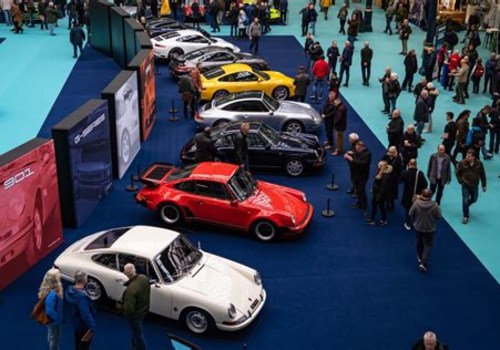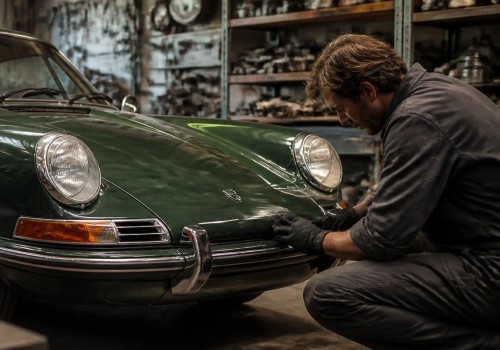
Classic car shows provide enthusiasts with opportunities to showcase vintage automobiles, celebrate automotive history, and connect with fellow collectors. However, traveling to these events can present mechanical challenges, particularly for vehicles featuring aging components and outdated technologies. Unlike modern automobiles, classic cars often require specialized maintenance and careful handling to remain dependable. Unexpected breakdowns, overheating, electrical failures, and tire problems can disrupt travel plans. Understanding these potential difficulties helps owners prepare their vehicles properly and enjoy smoother journeys to automotive exhibitions.
Preventing Engine Overheating During Long Drives
Engine overheating is a common concern for classic car owners, especially when traveling long distances or navigating heavy traffic. Older cooling systems may struggle to maintain appropriate operating temperatures under demanding conditions.
Aging radiators, worn hoses, malfunctioning thermostats, and deteriorating water pumps can contribute to overheating problems.
Before departure, owners should inspect cooling components, check coolant levels, and address visible leaks. Professional maintenance helps reduce overheating risks and protects valuable engine components.
Addressing Electrical System and Battery Problems
Classic automobiles frequently feature older wiring systems, traditional ignition components, and electrical equipment that may deteriorate over time.
Corroded connections, weak batteries, faulty alternators, and damaged wiring can cause starting difficulties or unexpected electrical failures.
Regular inspections help identify these concerns before they interrupt transportation. Owners should also ensure their batteries and charging systems function correctly before beginning extended journeys.
Managing Unexpected Roadside Emergencies
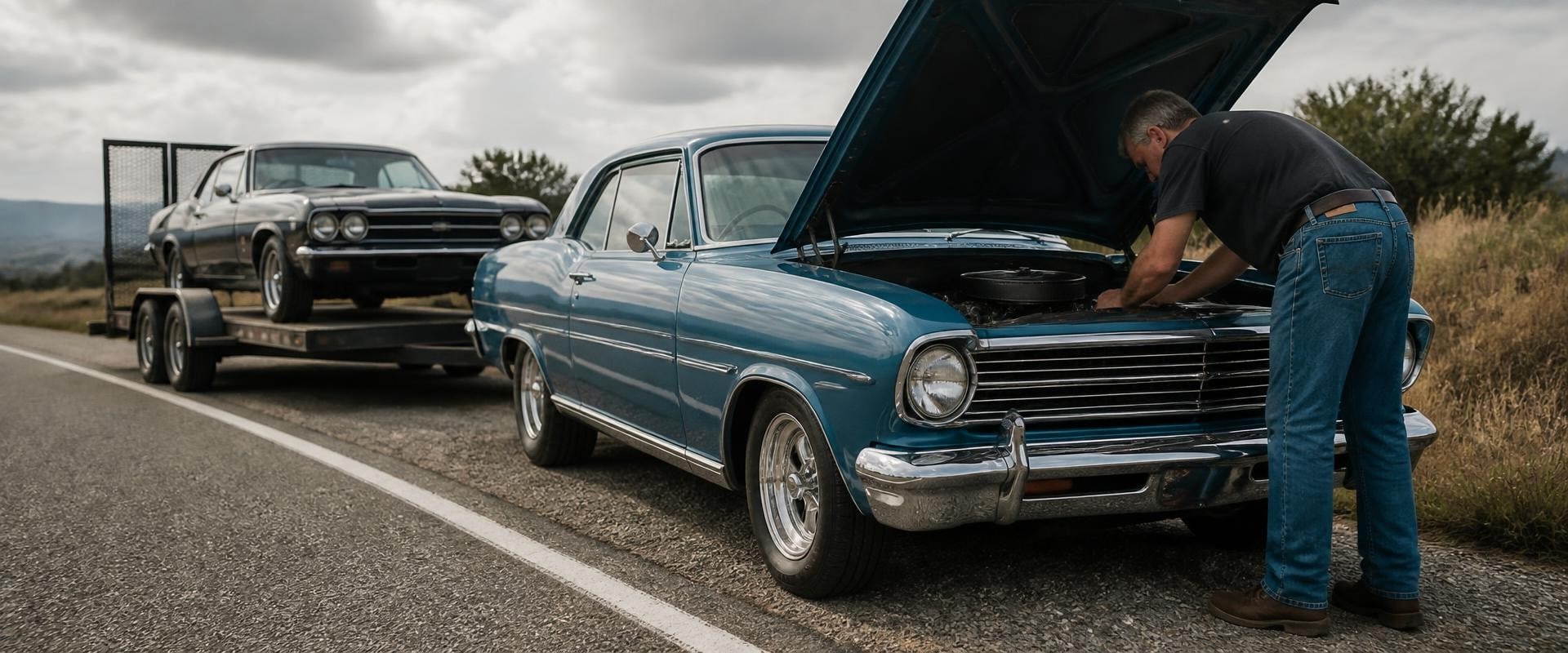
Despite careful preparation, classic vehicles may experience mechanical breakdowns while traveling to automotive exhibitions. Access to dependable roadside assistance can provide reassurance when unexpected transportation problems arise.
Professional providers such as Road Angel Towing and Roadside Service can be useful contacts during roadside emergencies. Owners should confirm that their selected assistance providers offer appropriate towing equipment for vintage automobiles.
Flatbed transportation is often preferable for protecting delicate drivetrains, suspension systems, and valuable exterior components.
Inspecting Tires, Brakes, and Suspension Components
Aging tires, deteriorating brake components, and worn suspension parts can compromise classic vehicle safety.
Even tires with adequate tread may become unsafe because of age-related deterioration. Regular inspections help identify cracking, uneven wear, and other warning signs.
Brake fluid condition, hydraulic components, and suspension connections should also receive attention before extended travel.
Preparing for Reliable Classic Car Show Experiences
Successful classic car travel begins with preventive maintenance and organized emergency planning. Owners should carry essential supplies, maintain service records, and inspect critical components before departure.
Planning suitable routes and allowing additional travel time can reduce unnecessary mechanical stress.
Ultimately, combining professional inspections, responsible maintenance, and reliable roadside assistance helps classic car enthusiasts protect valuable vehicles, minimize unexpected disruptions, and enjoy memorable automotive exhibitions with greater confidence.