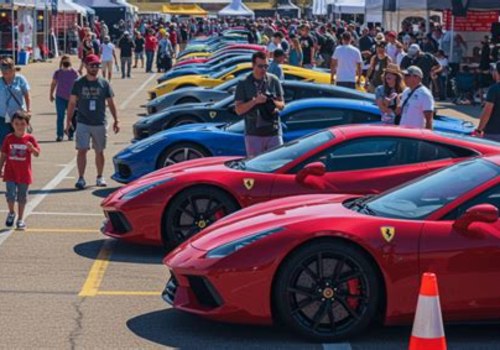
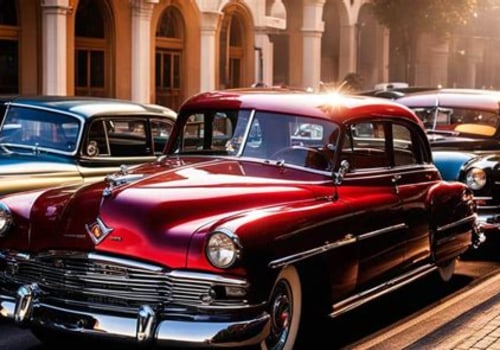
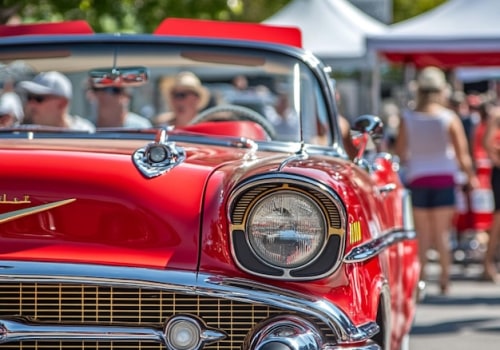
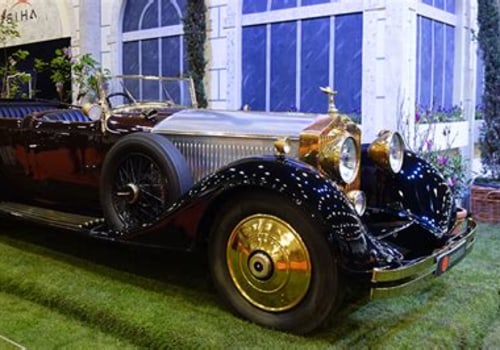
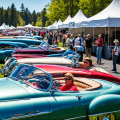
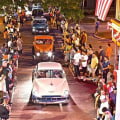
Classic car shows have become a vibrant celebration of automotive history, drawing enthusiasts and casual spectators alike. These events showcase a stunning array of vintage vehicles, from muscle cars to elegant classics, each with its own unique story. As the popularity of classic car shows continues to rise, understanding the average attendance at these events becomes crucial for organizers, participants, and sponsors alike. Attendance at classic car shows can vary significantly based on factors such as location, time of year, and the specific theme of the event. Some shows attract thousands of visitors, while others may be more intimate gatherings.
This fluctuation in average attendance not only reflects the show's appeal but also indicates the growing interest in classic car culture. For many attendees, these events are not just about admiring beautiful cars; they are opportunities to connect with fellow enthusiasts and share a passion for automotive craftsmanship. Moreover, understanding attendance trends at classic car events can provide valuable insights for future planning. Organizers can tailor their marketing strategies and event features to enhance visitor experience and increase turnout. Whether you are a seasoned collector or a newcomer to the world of classic cars, recognizing the significance of these attendance figures can enrich your appreciation for the community surrounding classic car shows.
Factors Influencing Attendance at Classic Car Shows
Attendance at classic car shows can vary significantly based on several key factors.Understanding these elements is essential for organizers aiming to maximize turnout and for enthusiasts looking to gauge the popularity of specific events.
Location
The location of a classic car show plays a crucial role in determining attendance. Shows held in urban areas with easy access to transportation tend to attract larger crowds compared to those in remote locations. Additionally, proximity to other attractions can enhance attendance, as visitors may combine their trip with other activities.Weather Conditions
Weather is another significant factor influencing attendance. Ideal weather conditions, such as mild temperatures and clear skies, encourage more people to attend outdoor events.Conversely, inclement weather can deter potential attendees, leading to lower turnout rates.
Marketing Efforts
The effectiveness of marketing efforts also greatly impacts attendance. Utilizing social media platforms, local advertising, and community outreach can significantly boost visibility and interest in the event. Engaging promotional content that highlights featured cars and activities can attract a wider audience.Types of Cars Featured
The types of cars showcased at a classic car show can also influence attendance. Events that feature rare or highly sought-after models tend to draw more enthusiasts.Additionally, including a variety of vehicles from different eras can appeal to a broader audience, enhancing overall interest.
Event Planning and Activities
Finally, the overall event planning and additional activities offered at the show can affect attendance. Incorporating live music, food vendors, and interactive exhibits can create a more engaging atmosphere, encouraging families and casual visitors to attend alongside dedicated car enthusiasts. By considering these factors—location, weather, marketing efforts, types of cars featured, and event planning—organizers can better strategize to enhance attendance at their classic car shows.Average Attendance Figures for Classic Car Shows
Understanding the average attendance at classic car shows can provide valuable insights for both organizers and enthusiasts. Attendance figures can vary significantly based on factors such as location, type of event, and the time of year.On average, classic car shows attract anywhere from 100 to 1,000 attendees. Smaller local events may see around 100 to 300 visitors , while larger regional or national shows can draw crowds exceeding 1,000 participants.For instance:
- Local Shows: Typically host between 100 to 500 attendees , often depending on the community's interest in classic cars.
- Regional Events: These can attract 500 to 2,000 attendees , especially if they feature well-known car brands or special themes.
- National Shows: Major events like the Goodguys Rod & Custom Association shows can see attendance figures soar to over 10,000 visitors .
- Location: Urban areas tend to have higher attendance due to greater accessibility and a larger population base.
- Date and Time: Events scheduled during weekends or holidays generally see better turnout compared to weekday shows.
- Promotion: Effective marketing strategies, including social media outreach and partnerships with local businesses, can significantly boost attendance.
Comparative Analysis: Classic Car Shows vs. Other Automotive Events
When examining the landscape of automotive events, classic car shows often attract a unique audience compared to other types of gatherings such as auto expos and racing events. Understanding the attendance figures at these different events can provide valuable insights into their popularity and cultural significance.Classic car shows
typically see attendance ranging from a few hundred to several thousand participants, depending on the location and scale of the event.For instance, smaller local shows may draw around 200-500 attendees, while larger national events can attract upwards of 10,000 visitors. This level of engagement highlights the dedicated community surrounding classic automobiles.In contrast, auto expos, which showcase a wide range of vehicles including new models and innovations, generally report higher attendance figures. Major auto shows in cities like Detroit or Los Angeles can see crowds exceeding 800,000 over several days. This significant turnout reflects the broader appeal of new automotive technology and consumer interest in purchasing vehicles.
Racing events
, such as NASCAR or Formula 1 races, also boast impressive attendance numbers.These events can attract tens of thousands of fans on race day alone, with some venues accommodating over 100,000 spectators. The excitement and entertainment value of live racing contribute to these high figures.To summarize, while classic car shows may not match the sheer numbers seen at auto expos or racing events, they hold a special place in the automotive community. Their focused audience and passionate participants create an atmosphere that is both nostalgic and celebratory, making them a cherished part of automotive culture.
Case Studies of Successful Classic Car Shows
Examining successful classic car shows provides valuable insights into what drives high attendance and participant satisfaction. Here are a few notable case studies that exemplify effective event organization:1.The Pebble Beach Concours d'Elegance
Held annually in California, the Pebble Beach Concours d'Elegance is one of the most prestigious classic car shows in the world.With an average attendance of over 15,000 enthusiasts, this event showcases rare and vintage automobiles. Key factors contributing to its success include:
- Exclusive Vehicle Selection: Only the finest cars are invited, creating a sense of prestige.
- Networking Opportunities: The event attracts collectors, restorers, and industry professionals, fostering connections.
- Scenic Location: The stunning backdrop of Pebble Beach enhances the overall experience.
2.The Goodguys Rod & Custom Association Shows
The Goodguys organization hosts multiple events across the United States, each attracting thousands of attendees. Their shows often see participation from over 2,000 vehicles and draw crowds exceeding 20,000. Factors that contribute to their success include:- Diverse Activities: In addition to car displays, they offer live music, swap meets, and family-friendly activities.
- Community Engagement: Local businesses often participate as sponsors or vendors, enhancing community involvement.
- Consistent Branding: Goodguys has established a recognizable brand that resonates with car enthusiasts.
3.The Hershey Antique Automobile Show
This show is renowned for its massive swap meet and car show, attracting over 50,000 attendees each year.Its success can be attributed to:
- Comprehensive Offerings: The event features not only classic cars but also parts and memorabilia.
- Long-standing Tradition: With over 60 years of history, it has become a staple in the classic car community.
- Strategic Timing: Scheduled in October, it capitalizes on favorable weather conditions for outdoor events.
Tips for Increasing Attendance at Classic Car Shows
Increasing attendance at classic car shows requires a combination of effective marketing strategies and engaging event promotion. Here are some practical tips to help organizers attract more visitors:- Leverage Social Media: Utilize platforms like Facebook, Instagram, and Twitter to create buzz around your event. Share high-quality images of classic cars, behind-the-scenes preparations, and testimonials from past attendees.
Consider creating an event page where enthusiasts can RSVP and share the event with their networks.
- Collaborate with Local Businesses: Partner with local auto shops, restaurants, and hotels to cross-promote the event. Offer discounts or special deals for attendees who show proof of participation at the car show. This not only increases visibility but also enhances the overall experience for visitors.
- Engage with Car Clubs: Reach out to local and regional car clubs to encourage their members to attend. Offer group discounts or special recognition for clubs that bring a certain number of vehicles.
This can create a sense of community and competition among clubs.
- Utilize Email Marketing: Build an email list of past attendees and interested parties. Send out newsletters with updates about the show, featured cars, and any special attractions or activities planned for the day. Personalize your messages to make recipients feel valued.
- Create Compelling Content: Develop engaging content that highlights the history and significance of classic cars. Blog posts, videos, or podcasts can draw in enthusiasts who may not have considered attending otherwise.
Share this content on your website and social media channels.
Frequently Asked Questions About Classic Car Show Attendance
When it comes to classic car shows, many enthusiasts and newcomers alike have questions about attendance. Here are some of the most frequently asked questions regarding this topic:- What is the average attendance at a classic car show? The average attendance can vary significantly based on the location, size, and popularity of the event. Smaller local shows may attract a few hundred visitors, while larger events can see thousands of attendees. For instance, major classic car shows like the Pebble Beach Concours d'Elegance can draw over 15,000 spectators.
- How can I find local classic car shows? Finding local events is easier than ever.
Websites like ClassicCars.com, social media platforms, and community bulletin boards often list upcoming shows. Additionally, local car clubs frequently host events and can provide information on their schedules.
- What should I expect in terms of crowd size? Crowd sizes at classic car shows can fluctuate based on factors such as weather, time of year, and the event's marketing efforts. Generally, expect larger crowds during summer months when more shows are held. It's advisable to arrive early to avoid long lines and secure good parking.
- Are classic car shows family-friendly? Most classic car shows are designed to be family-friendly, featuring activities for all ages.
Many events include food vendors, live music, and children's activities, making them enjoyable for everyone.
Conclusion: The Future of Attendance at Classic Car Shows
As we look towards the future of attendance at classic car shows, several key trends and factors will likely shape the landscape. The passion for vintage automobiles remains strong, and as new generations discover the allure of classic cars, we can expect a steady influx of enthusiasts at these events.One significant trend is the increasing integration of technology into classic car shows. Many organizers are now utilizing social media platforms and mobile apps to enhance the attendee experience. This not only helps in promoting the events but also in engaging a broader audience.For instance, live streaming of shows and virtual tours can attract those who may not be able to attend in person, thereby expanding the reach and potential attendance.Moreover, the rise of electric vehicles (EVs) and their retrofitting into classic models could create a new niche within the classic car community. This evolution may draw in younger audiences who are environmentally conscious yet appreciate the aesthetics of classic cars. As these trends continue to develop, we may see a diversification in the types of vehicles showcased, appealing to a wider demographic.Additionally, community involvement plays a crucial role in boosting attendance. Local clubs and organizations are increasingly collaborating with event organizers to create more inclusive and engaging experiences.
By offering activities such as workshops, seminars, and family-friendly entertainment, these shows can attract not just car enthusiasts but also families looking for a fun day out.In conclusion, while traditional factors like vehicle quality and rarity will always influence attendance at classic car shows, embracing innovation and community engagement will be vital for future success. As we move forward, it is essential for organizers to adapt to changing interests and demographics to ensure that these beloved events continue to thrive.