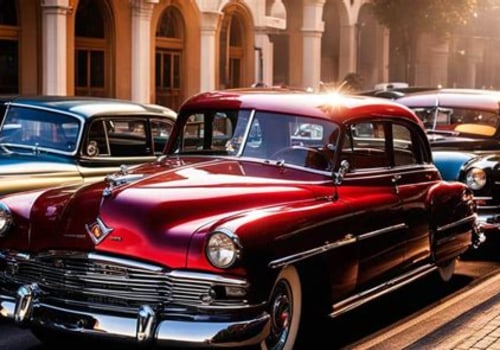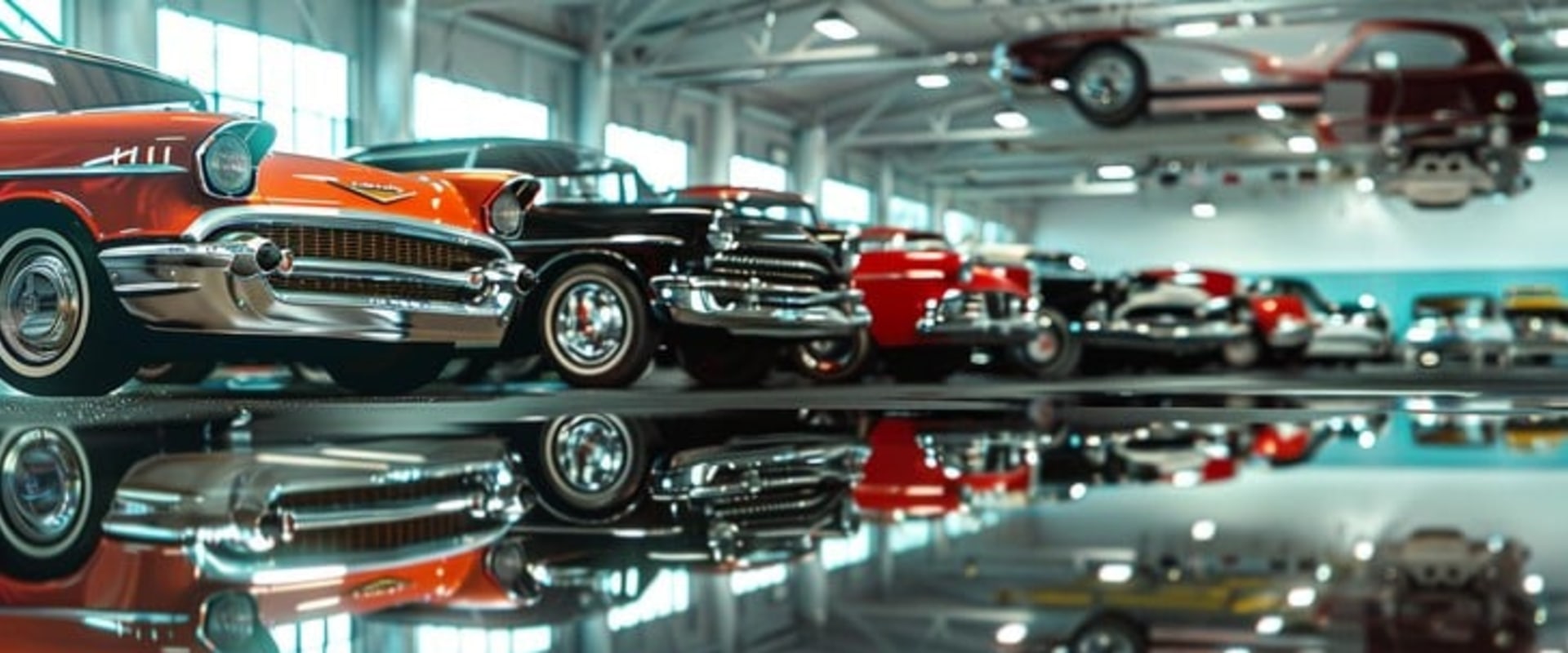
The journey of classic cars is a fascinating tale that intertwines innovation, culture, and nostalgia. The evolution of these vintage automobiles began in the early 20th century, when the first mass-produced vehicles rolled off assembly lines, making car ownership accessible to the general public. This era marked a significant shift in transportation, as automobiles transitioned from luxury items to essential tools for everyday life. As technology advanced, so did the design and functionality of cars, leading to the emergence of iconic models that would later be celebrated in classic car shows.By the 1920s and 1930s, automotive design began to embrace art deco influences, resulting in vehicles that were not only functional but also aesthetically pleasing.
The introduction of features such as streamlined bodies and powerful engines captured the imagination of car enthusiasts and set the stage for what would become a golden age of automotive design. The post-World War II era further propelled this evolution, as manufacturers experimented with new materials and technologies, giving rise to the muscle car phenomenon of the 1960s. These developments not only enhanced performance but also solidified the cultural significance of classic cars. Today, classic cars are more than just modes of transportation; they represent a rich history and a passion for craftsmanship that resonates with collectors and enthusiasts alike. The popularity of classic car shows serves as a testament to this enduring legacy, where individuals gather to celebrate these remarkable machines and share stories that span generations.
Understanding the timeline of classic cars allows us to appreciate their role in shaping automotive culture and their continued allure in modern society.
Defining Classic Cars: What Makes a Car 'Classic'?
When discussing classic cars, it is essential to understand what qualifies a vehicle as 'classic.' The definition can vary among enthusiasts, but several key criteria are widely accepted.- Age: A car is typically considered classic if it is at least 20 years old. This age threshold allows for the appreciation of vintage design and engineering, distinguishing these vehicles from modern cars.
- Rarity: The rarity of a car significantly contributes to its classic status. Limited production models or those that were only manufactured for a short period often gain classic status due to their scarcity.
- Historical Significance: A classic car often has a story to tell. Vehicles that played a pivotal role in automotive history, such as those that introduced groundbreaking technology or design, are frequently classified as classics.
- Condition: The overall condition of the vehicle also plays a crucial role.
A well-preserved car, whether through restoration or original maintenance, is more likely to be recognized as a classic.
The Rise of Classic Car Shows
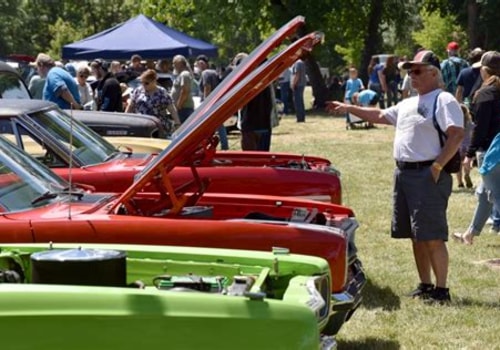
The history of classic car shows can be traced back to the mid-20th century, a time when automobile enthusiasts began to appreciate the craftsmanship and design of older vehicles. Initially, these gatherings were informal meet-ups among friends and local car clubs, where owners showcased their prized possessions in parking lots or community parks.However, as the interest in vintage automobiles grew, so did the scale and organization of these events.By the 1970s, classic car shows began to gain traction as a formalized event, with dedicated venues and structured competitions. The first major classic car show is often credited to the Antique Automobile Club of America (AACA), which held its inaugural event in 1935. This marked a significant turning point, as it not only provided a platform for enthusiasts to display their vehicles but also fostered a sense of community among collectors.As the years progressed, classic car shows evolved into vibrant cultural phenomena. The rise of television shows and magazines dedicated to classic cars in the 1980s and 1990s further fueled public interest. These media outlets showcased stunning restorations and highlighted the stories behind iconic models, captivating audiences and inspiring new generations of car lovers.Today, classic car shows attract thousands of visitors each year, featuring everything from vintage muscle cars to elegant pre-war classics.
Events like the Pebble Beach Concours d'Elegance and SEMA Show have become prestigious gatherings that celebrate automotive history while also serving as platforms for networking among collectors, restorers, and enthusiasts.The popularity of these shows can be attributed to several factors:
- Cultural Significance: Classic cars represent a bygone era of innovation and style, evoking nostalgia for many.
- Community Engagement: Car shows foster camaraderie among enthusiasts who share a passion for automotive history.
- Economic Impact: These events often boost local economies through tourism and related activities.
Key Events and Milestones in Classic Car Show History
The history of classic car shows is rich with significant events and milestones that have shaped the automotive landscape. These gatherings not only celebrate the beauty and engineering of vintage vehicles but also foster a community of enthusiasts who share a passion for automotive history.One of the most notable early events was the Pebble Beach Concours d'Elegance , first held in 1950. This prestigious show has become synonymous with luxury and elegance, showcasing some of the rarest classic cars in existence.The event has set high standards for judging, emphasizing not just the car's condition but also its historical significance and design.Another landmark event is the Goodguys Rod & Custom Association , which began in 1983. This organization has played a pivotal role in promoting classic car culture across the United States, hosting numerous shows that attract thousands of participants and spectators. Their events often feature a mix of classic cars, hot rods, and custom vehicles, celebrating the diversity within the classic car community.In addition to these iconic shows, several milestones have marked the evolution of classic car shows. For instance, the introduction of online registration and social media promotion in the late 2000s revolutionized how enthusiasts connect and share their passion. This digital shift has made it easier for car owners to showcase their vehicles and for fans to stay updated on upcoming events.Furthermore, events like the SEMA Show , which began in 1967, have expanded beyond traditional car shows to include aftermarket products and innovations, highlighting how classic cars can be modified while still respecting their heritage.Overall, these key events and milestones illustrate how classic car shows have evolved over time, reflecting changes in automotive technology, culture, and community engagement.
They continue to be a vital part of preserving automotive history while fostering a vibrant community of enthusiasts.
The Role of Classic Car Shows in Automotive Culture
Classic car shows play a pivotal role in shaping automotive culture, serving as vibrant gatherings where enthusiasts come together to celebrate their passion for vintage vehicles. These events not only showcase the beauty and craftsmanship of classic cars but also foster a sense of community among participants and attendees alike.One of the most significant impacts of classic car shows is their ability to create connections among car lovers. Enthusiasts often share stories about their vehicles, exchange restoration tips, and discuss the history behind each model. This exchange of knowledge helps to preserve the rich heritage of classic cars and encourages new generations to appreciate automotive history.- Networking Opportunities: Car shows provide a platform for enthusiasts to meet like-minded individuals, forming friendships that can last a lifetime.
- Community Building: Local clubs often organize events around car shows, strengthening ties within the community and promoting collaboration on restoration projects.
- Education: Many shows feature workshops and seminars that educate attendees about car maintenance, restoration techniques, and the significance of various models.
The camaraderie among participants creates a welcoming environment where everyone—from seasoned collectors to curious newcomers—can feel at home. This inclusivity is crucial for sustaining interest in classic cars and ensuring that the culture continues to thrive.Moreover, classic car shows often serve as fundraisers for local charities, further embedding them into the fabric of their communities. By supporting local causes, these events not only promote automotive culture but also demonstrate the positive impact that car enthusiasts can have on society.In conclusion, classic car shows are more than just exhibitions; they are vital cultural events that nurture community spirit, educate participants, and celebrate the timeless allure of classic automobiles. As they continue to grow in popularity, their influence on automotive culture will undoubtedly endure.
The Popularity of Classic Cars Today: Trends and Insights
The classic car market has seen a remarkable resurgence in recent years, driven by a combination of nostalgia, investment potential, and a growing community of enthusiasts.Today, classic cars are not just relics of the past; they represent a lifestyle and a passion that resonates with many.
Current Trends in Classic Cars
- Restoration and Customization: Many collectors are investing in restoration projects, bringing vintage vehicles back to life while adding modern touches. This trend allows for personalization and enhances the driving experience.
- Electric Conversions: A growing number of classic car enthusiasts are opting for electric conversions, merging the charm of classic designs with modern sustainability. This trend appeals to environmentally conscious buyers who still want the classic aesthetic.
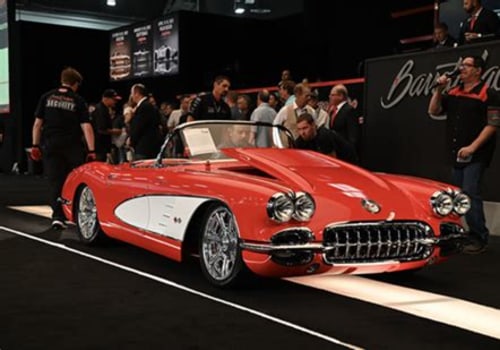
- Online Auctions: The rise of online auction platforms has made it easier for buyers and sellers to connect, expanding the market reach and allowing for more competitive pricing.
Why Are Classic Cars Popular Now?
- Nostalgia: For many, classic cars evoke fond memories of youth and simpler times. This emotional connection drives interest among older generations while also attracting younger enthusiasts who appreciate vintage style.
- Community Engagement: Classic car shows and clubs foster a sense of community among enthusiasts.
Events provide opportunities for networking, sharing knowledge, and showcasing vehicles, further fueling interest in the hobby.
- Investment Potential: As the classic car market matures, many view these vehicles as viable investment opportunities. Rare models often appreciate significantly over time, making them attractive to collectors looking to diversify their portfolios.
Classic Car Market Trends
The classic car market is evolving, with certain models gaining popularity due to their rarity or historical significance. Muscle cars from the 1960s and 1970s, for instance, have seen a surge in demand as younger collectors seek out powerful performance vehicles. Additionally, European classics are becoming increasingly sought after due to their unique designs and engineering excellence.In conclusion, the enduring appeal of classic cars is fueled by a blend of nostalgia, community engagement, and investment potential.
As trends continue to evolve, the classic car market remains vibrant and dynamic, ensuring that these timeless vehicles will continue to capture hearts for generations to come.
FAQs About Classic Cars and Shows
Classic cars have captivated enthusiasts for decades, leading to a surge in classic car shows that celebrate their beauty and history. Here are some frequently asked questions about classic cars and the events that showcase them:- What defines a classic car? A classic car is typically considered to be a vehicle that is at least 20 years old and has historical significance or unique features. The definition can vary by region, with some classifications including cars that are 25 years or older.
- Why are classic cars so popular? The popularity of classic cars stems from their nostalgic value, unique designs, and the craftsmanship that often surpasses modern vehicles. Many enthusiasts appreciate the stories behind these cars and the communities formed around them.
- What can I expect at a classic car show? At a classic car show, attendees can expect to see a wide variety of vintage vehicles, meet fellow enthusiasts, participate in contests, and enjoy food and entertainment.
Many shows also feature awards for different categories of cars.
- How do I prepare my classic car for a show? To prepare your classic car for a show, ensure it is clean and well-maintained. Check the engine, tires, and fluids, and consider detailing the exterior and interior. Having documentation about the car's history can also enhance its appeal.
- Are there specific categories for judging classic cars? Yes, classic car shows often have various categories for judging, such as Best in Show, Best Restoration, or Best Original Condition. Judges typically evaluate based on criteria like authenticity, condition, and presentation.
Engaging with fellow enthusiasts and learning more about these remarkable vehicles can deepen your appreciation for automotive history.
Conclusion: The Timeless Appeal of Classic Cars and Their Shows
In conclusion, the history of classic cars and their enduring popularity in classic car shows is a testament to the rich tapestry of automotive culture. These vehicles are not merely modes of transportation; they represent a significant era in engineering, design, and personal expression. From the early days of the automobile to the muscle car era of the 1960s and 70s, each classic car tells a story that resonates with enthusiasts and collectors alike.The rise of classic car shows has played a pivotal role in preserving this history. These events serve as a gathering place for enthusiasts to share their passion, showcase their prized possessions, and connect with like-minded individuals.The atmosphere at these shows is electric, filled with nostalgia and admiration for the craftsmanship that went into each vehicle.
- Community Building: Classic car shows foster a sense of community among enthusiasts, allowing them to bond over shared interests.
- Preservation of History: These events help preserve automotive history by encouraging restoration and maintenance of classic vehicles.
- Education: Many shows offer educational opportunities, where attendees can learn about the history and significance of various models.